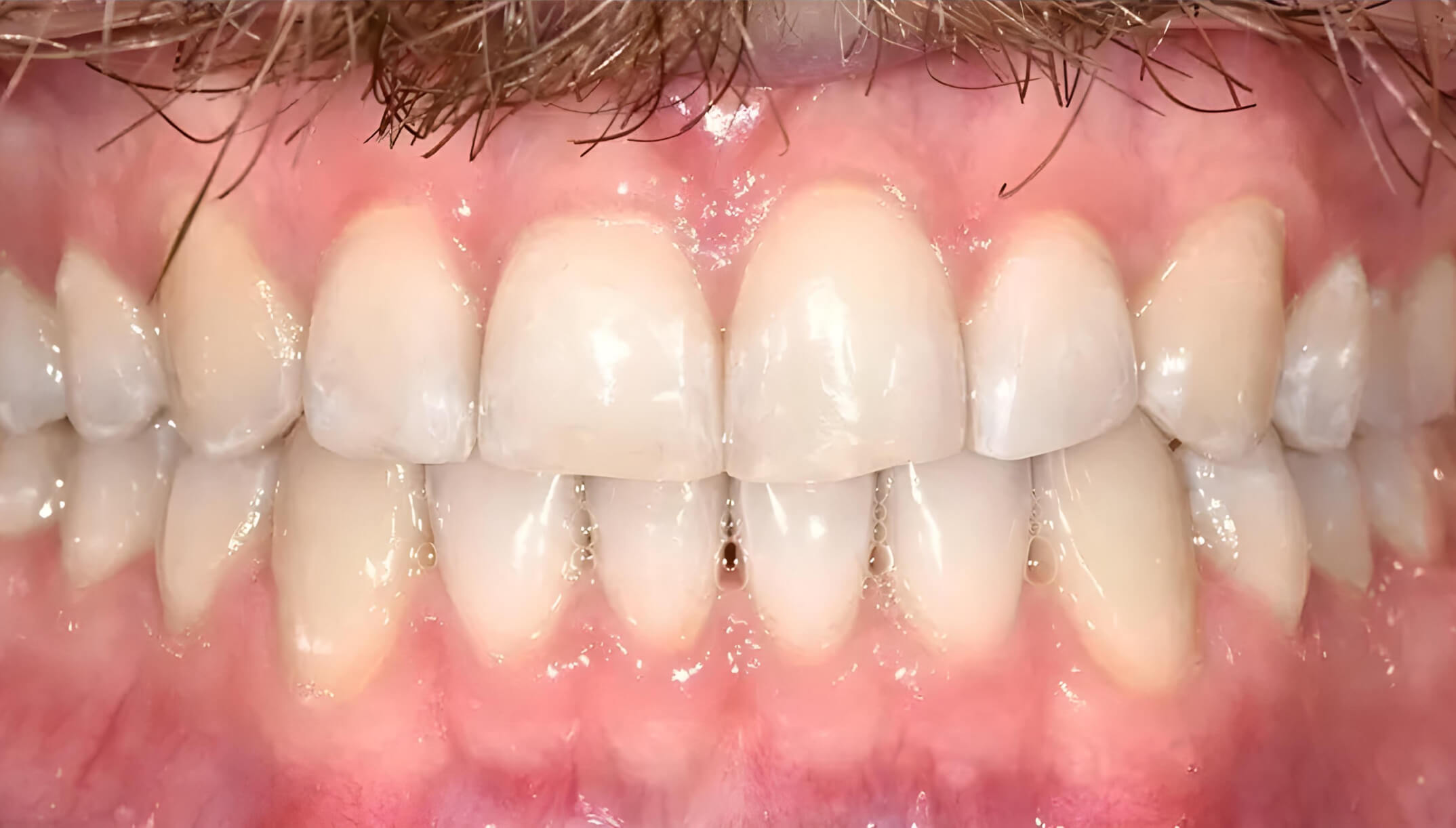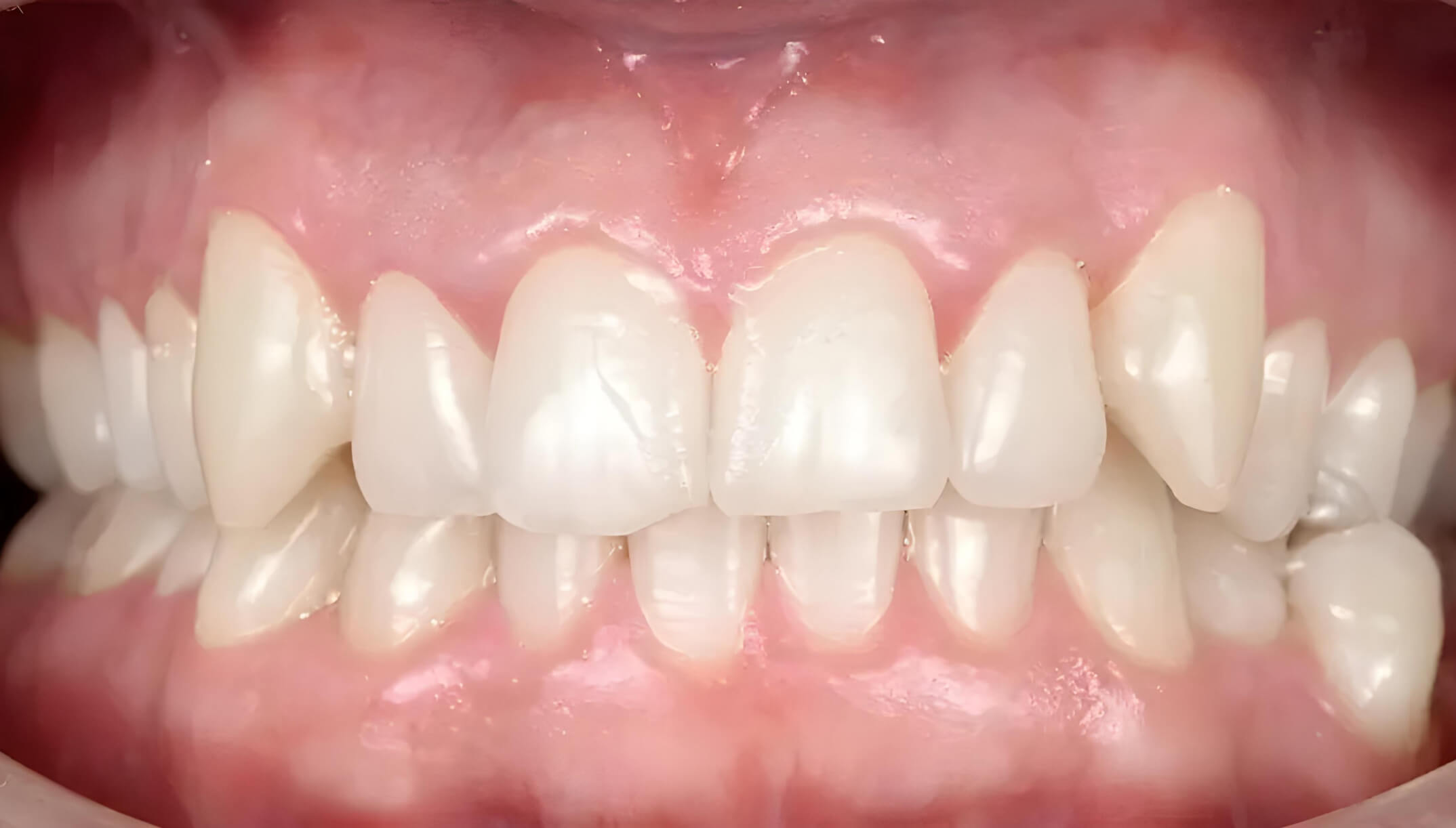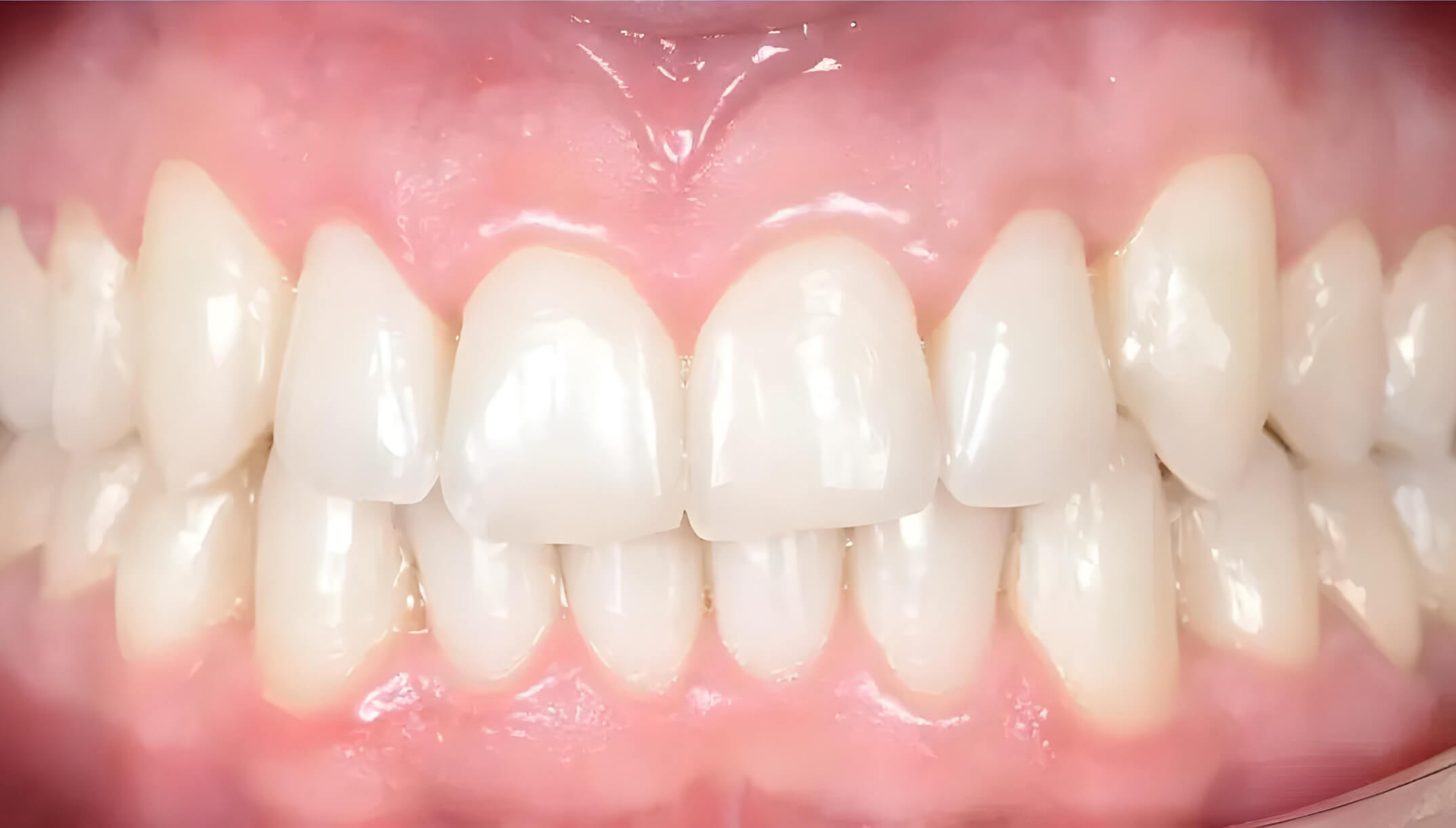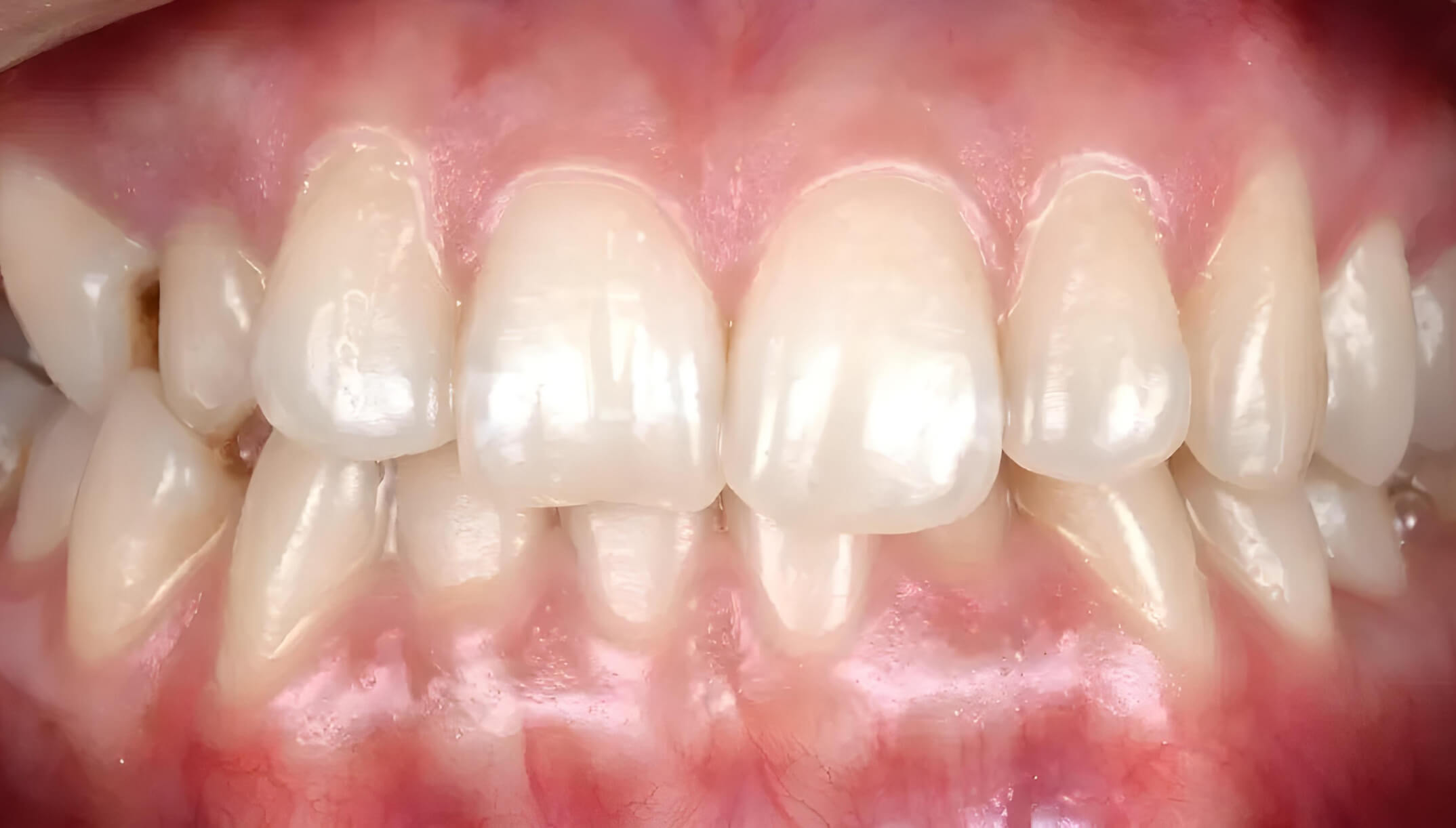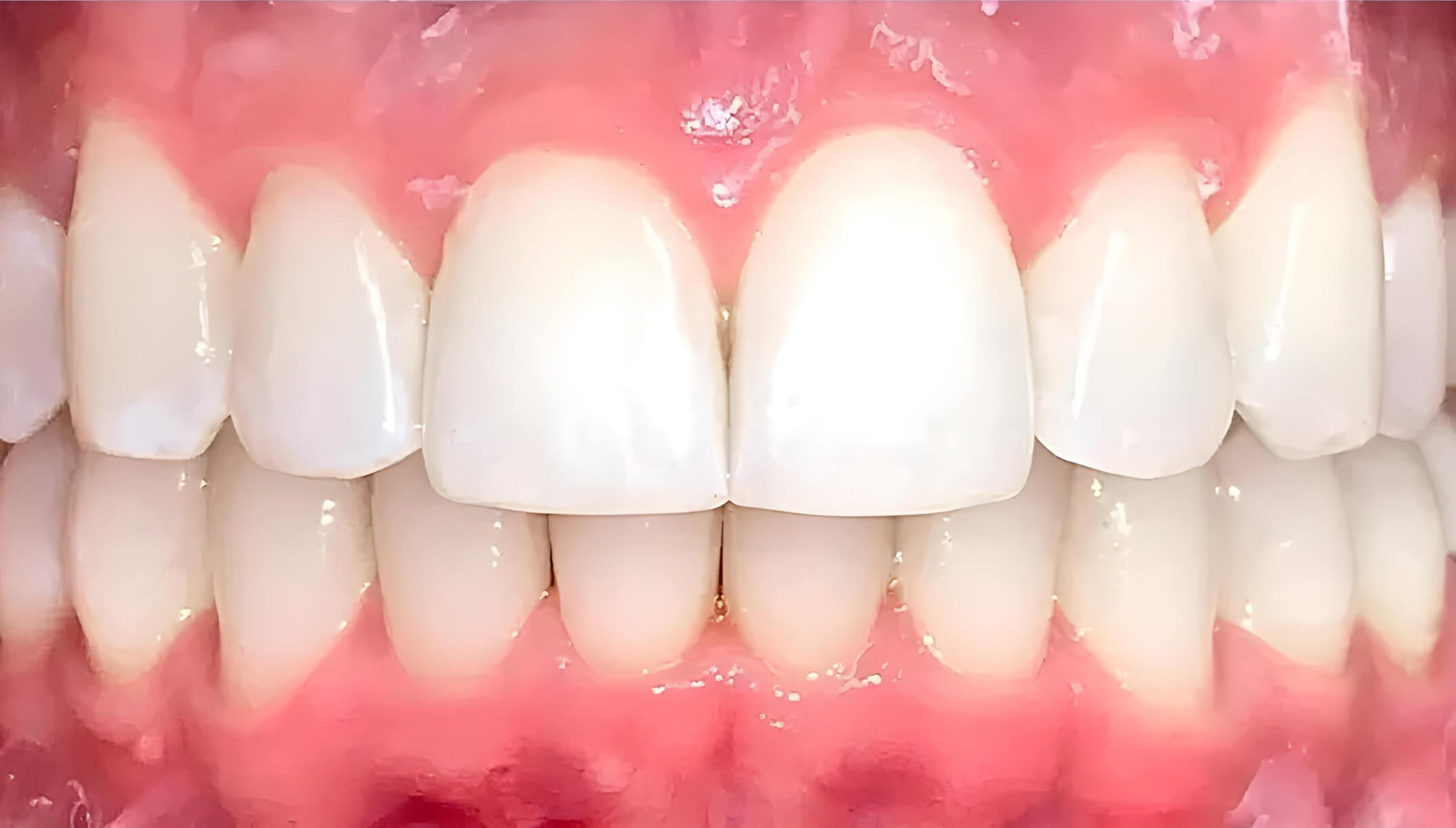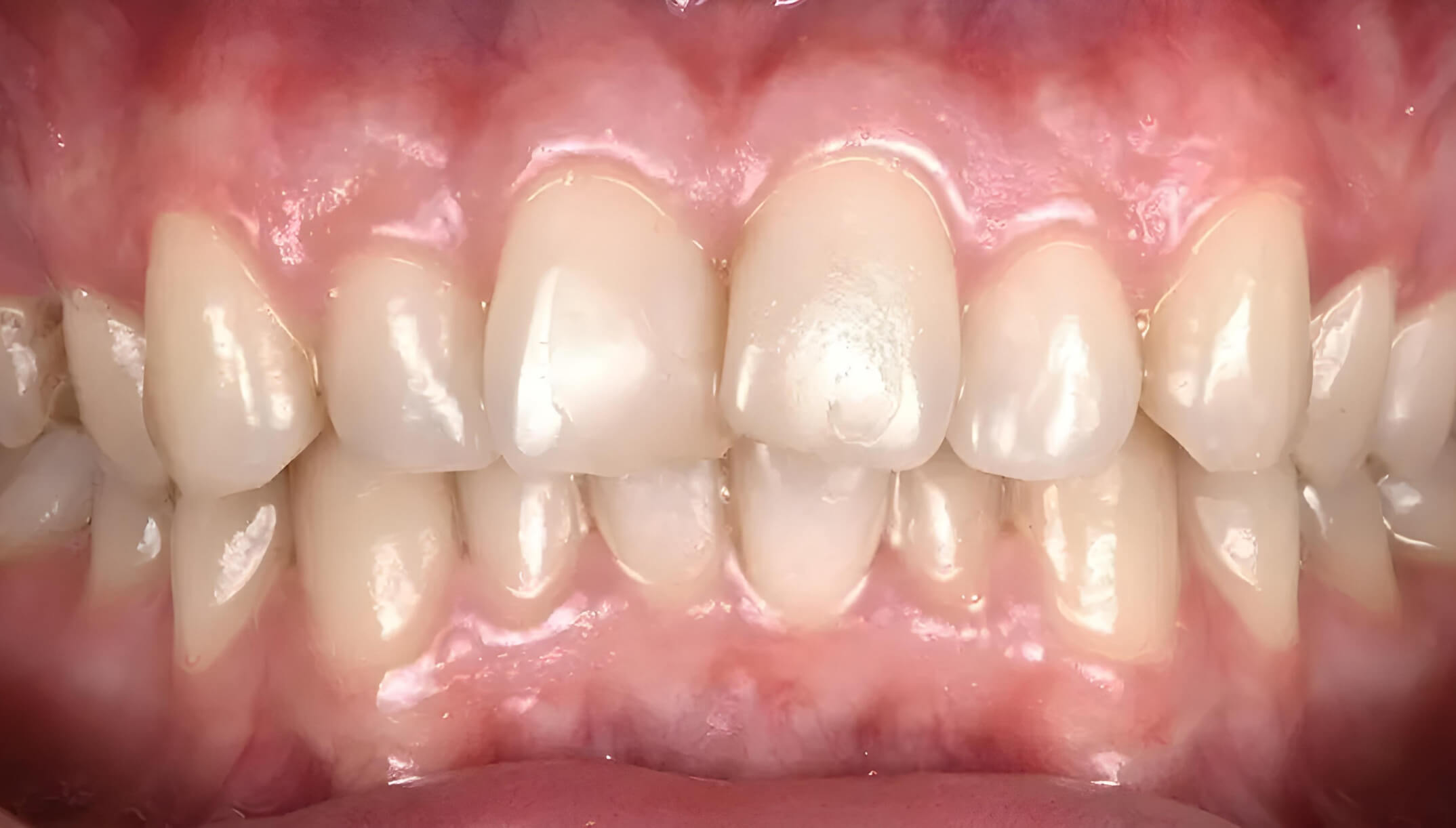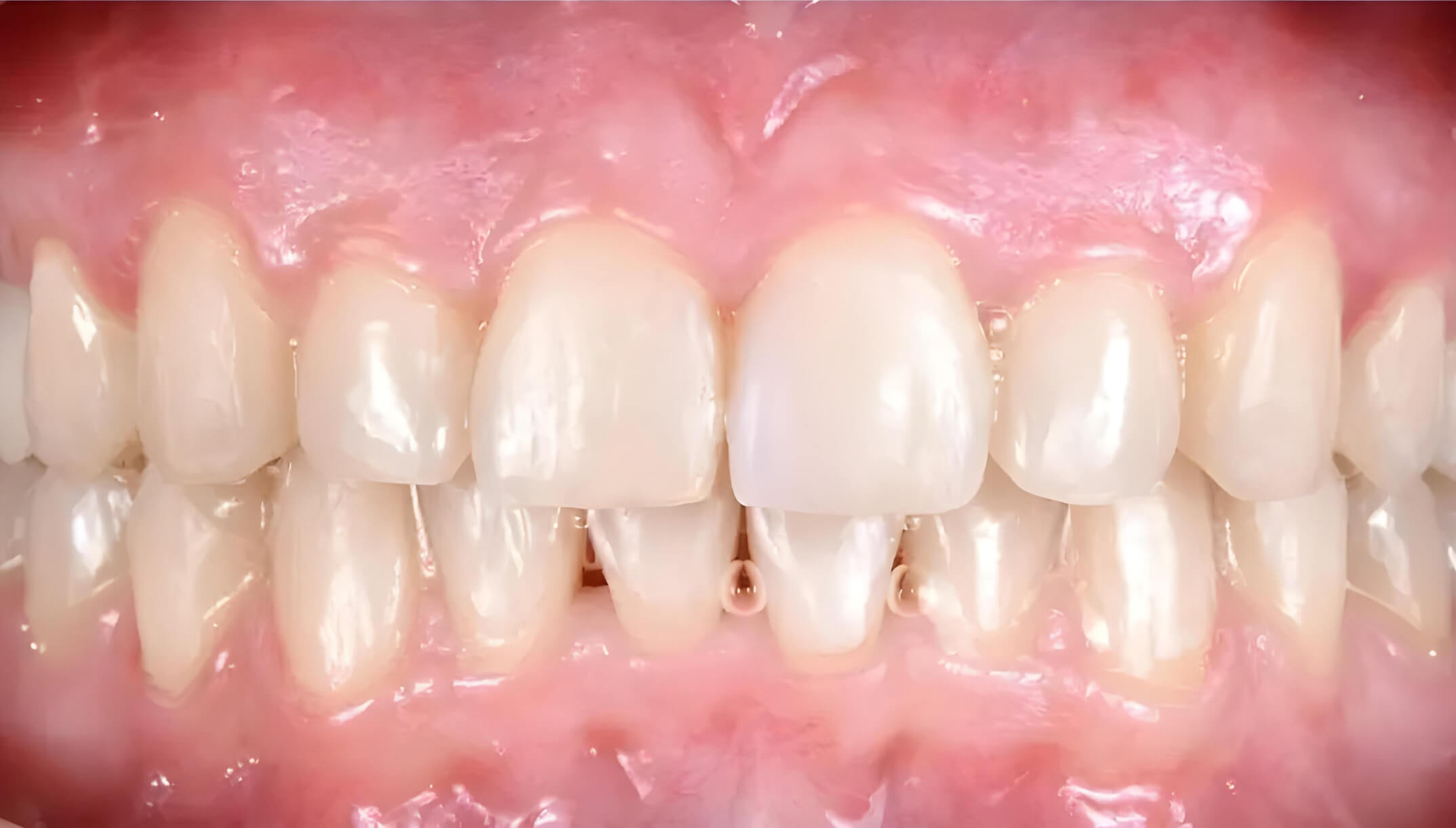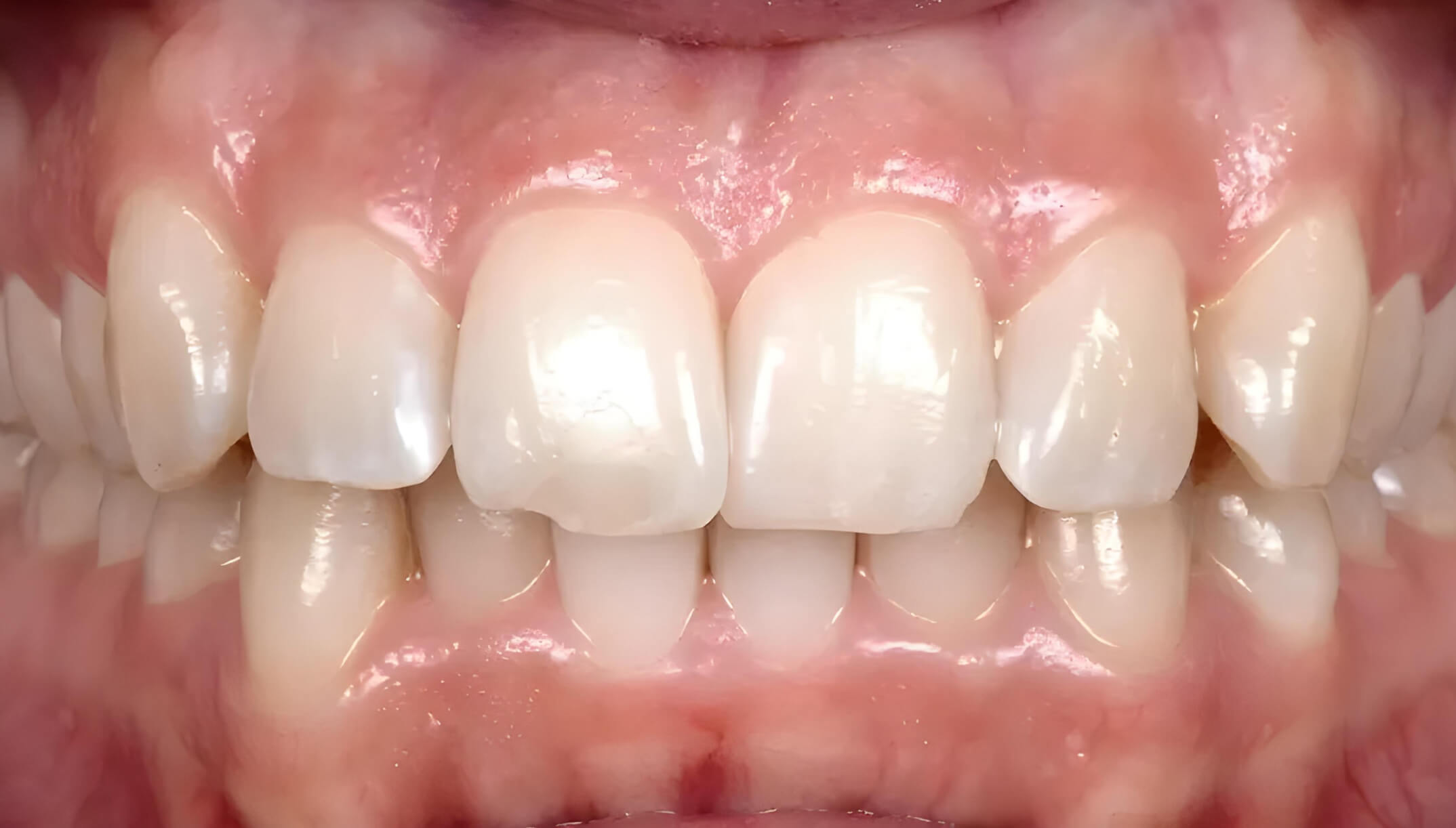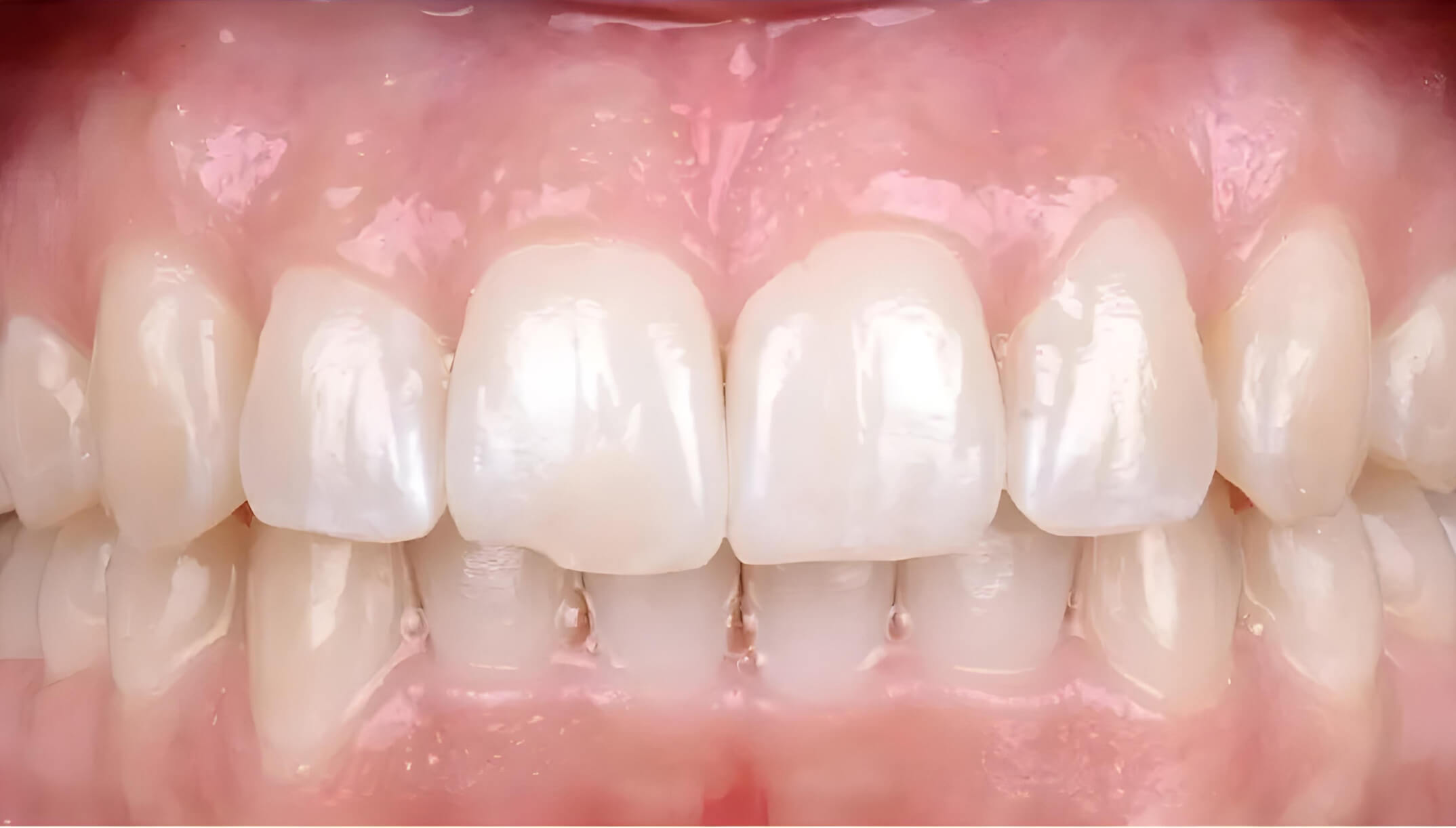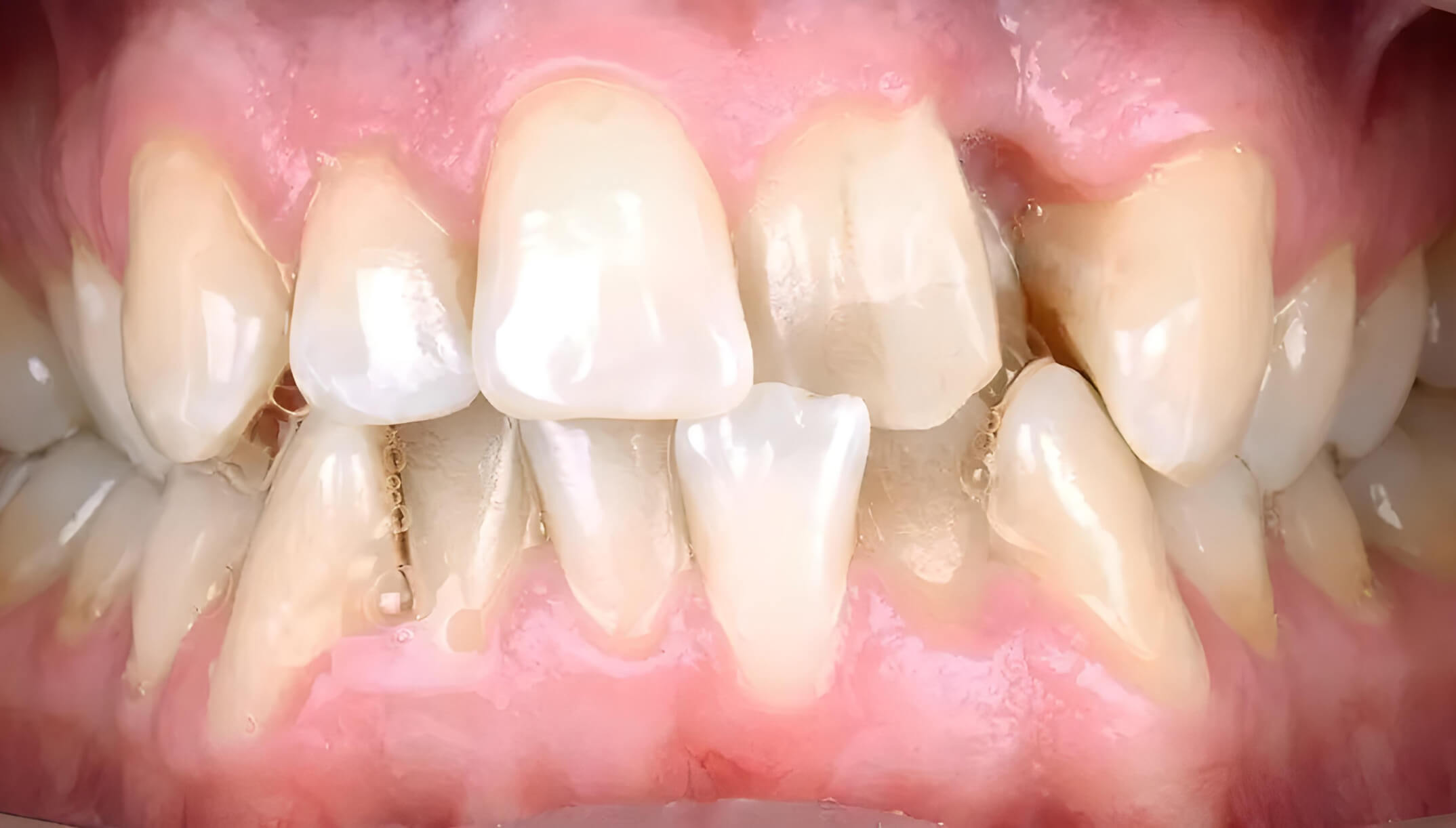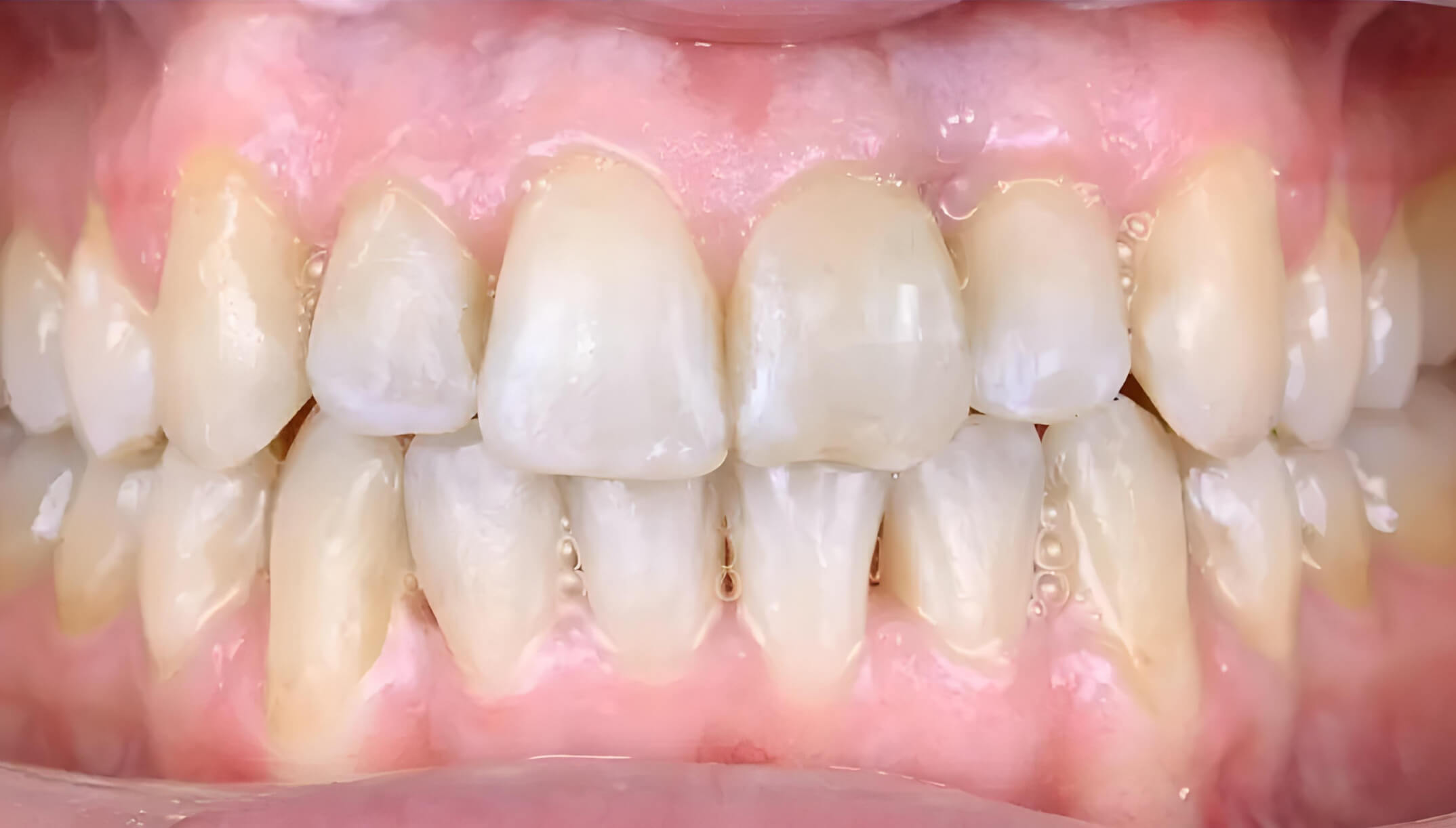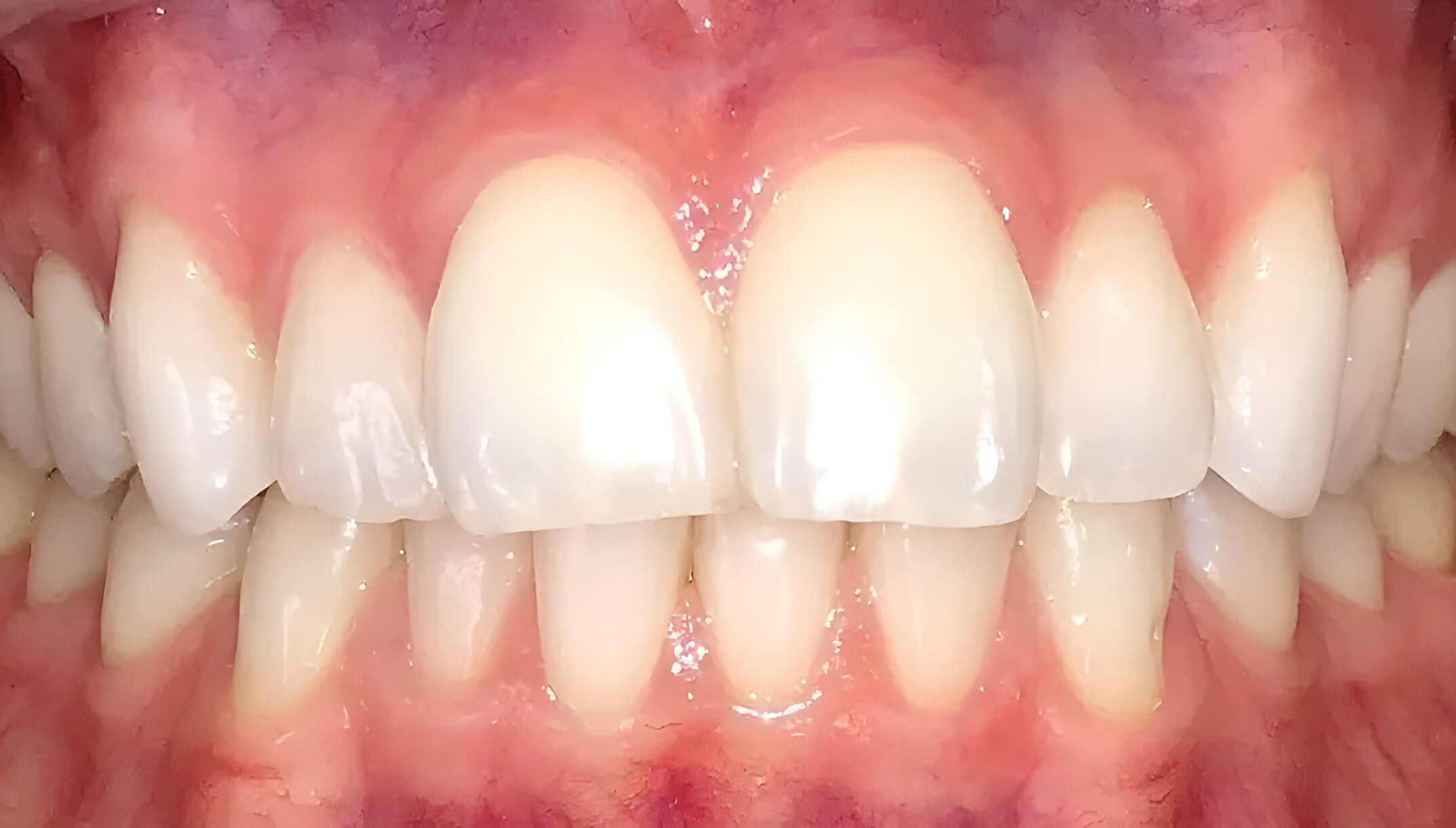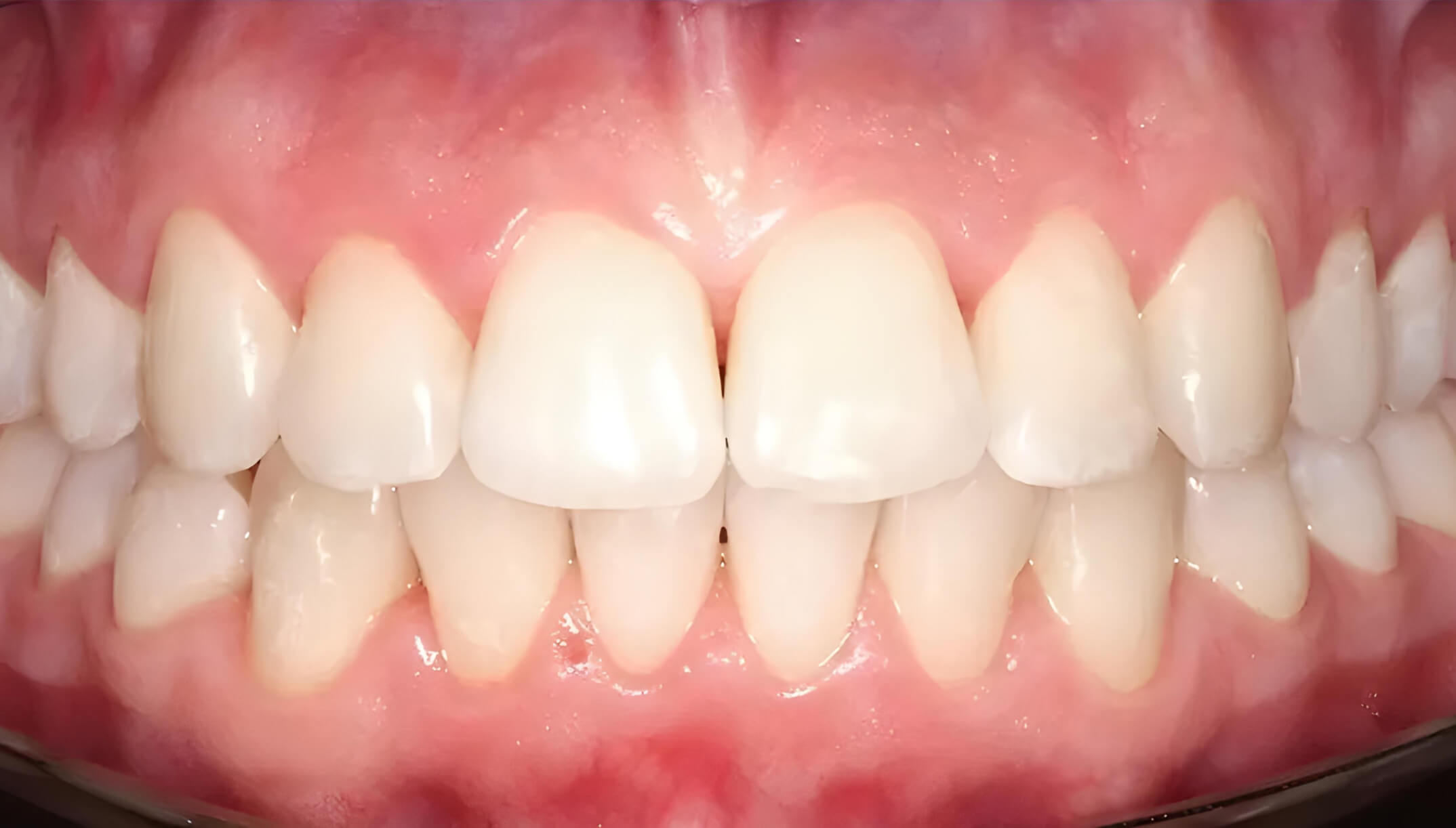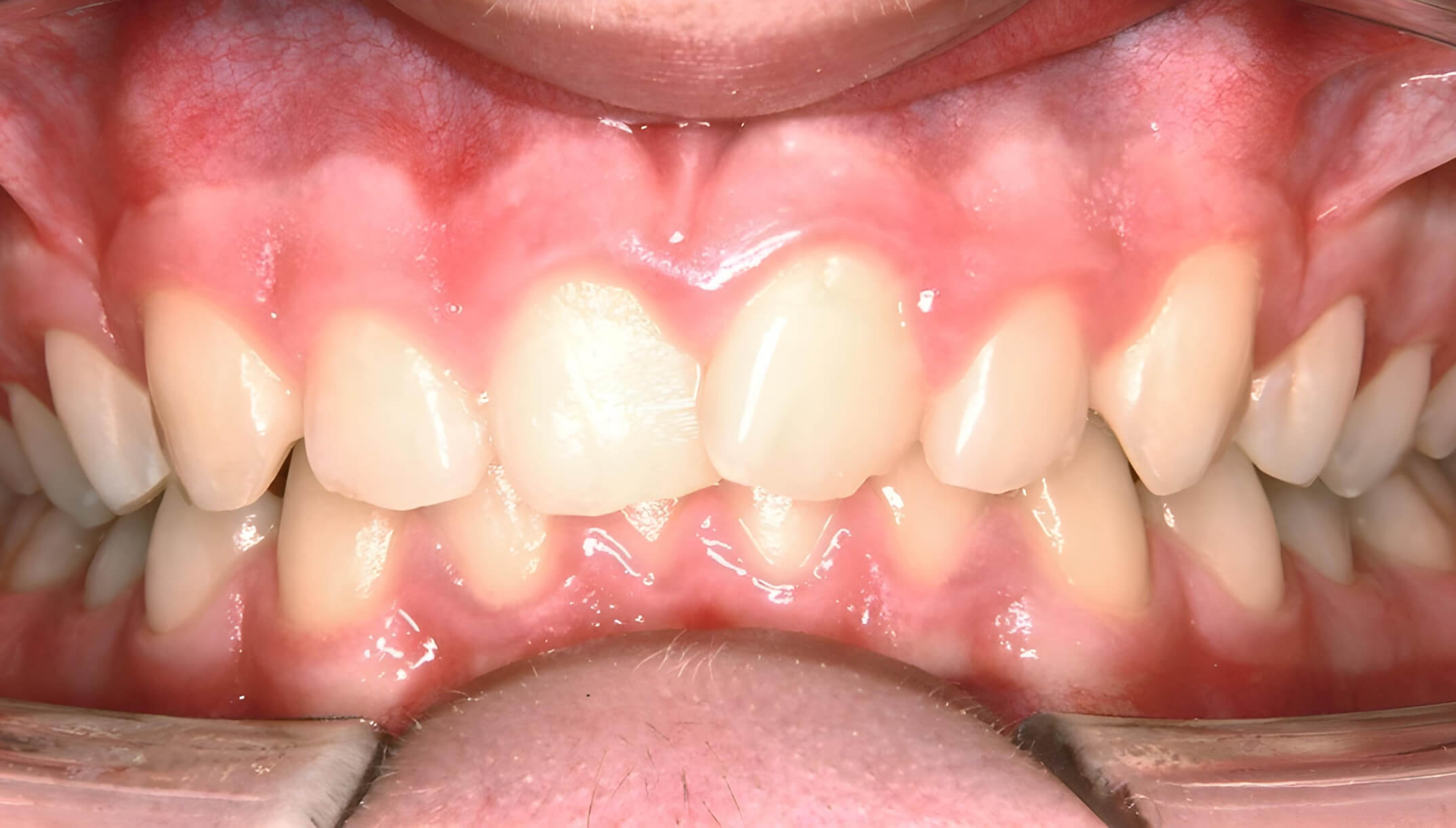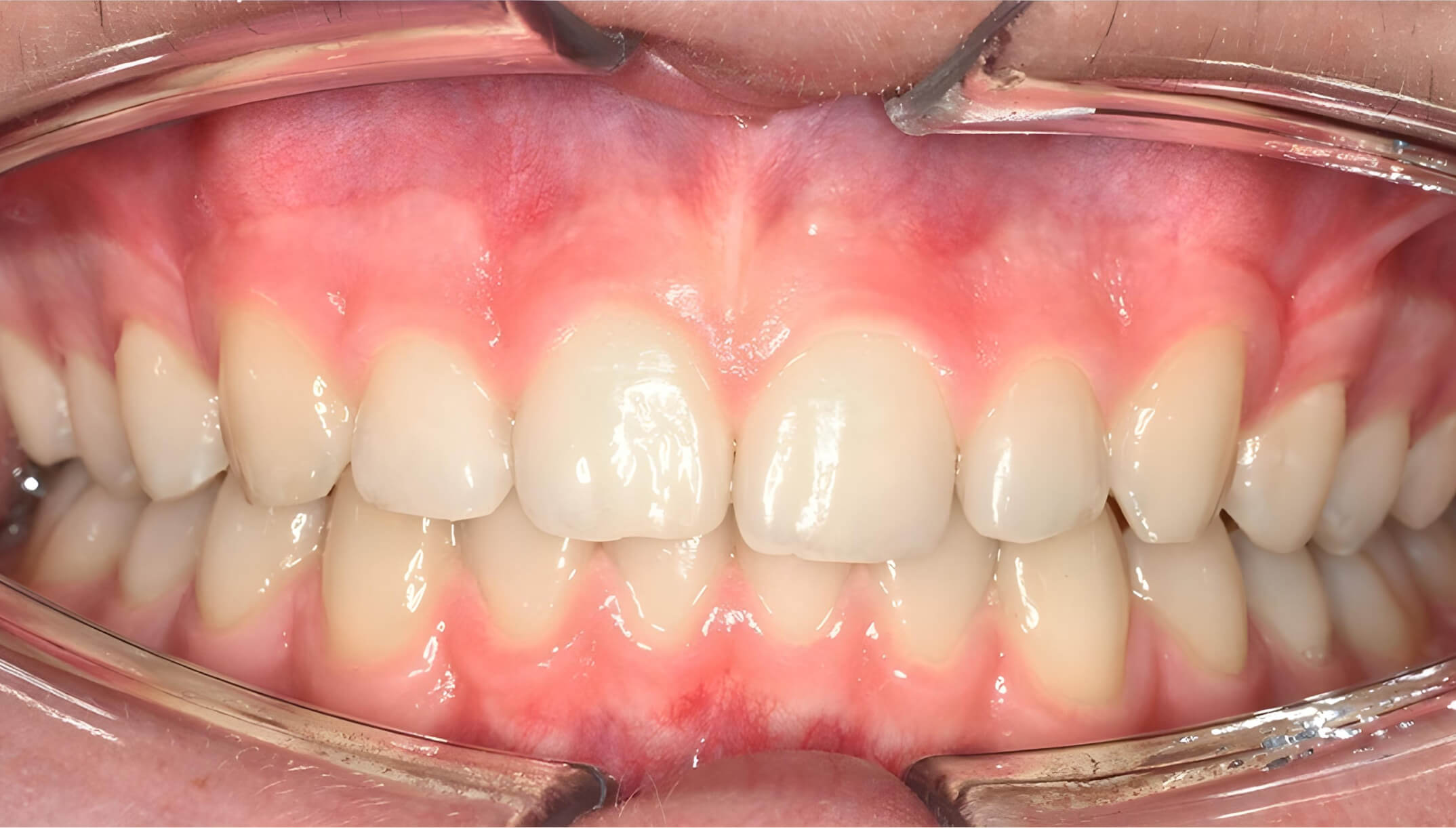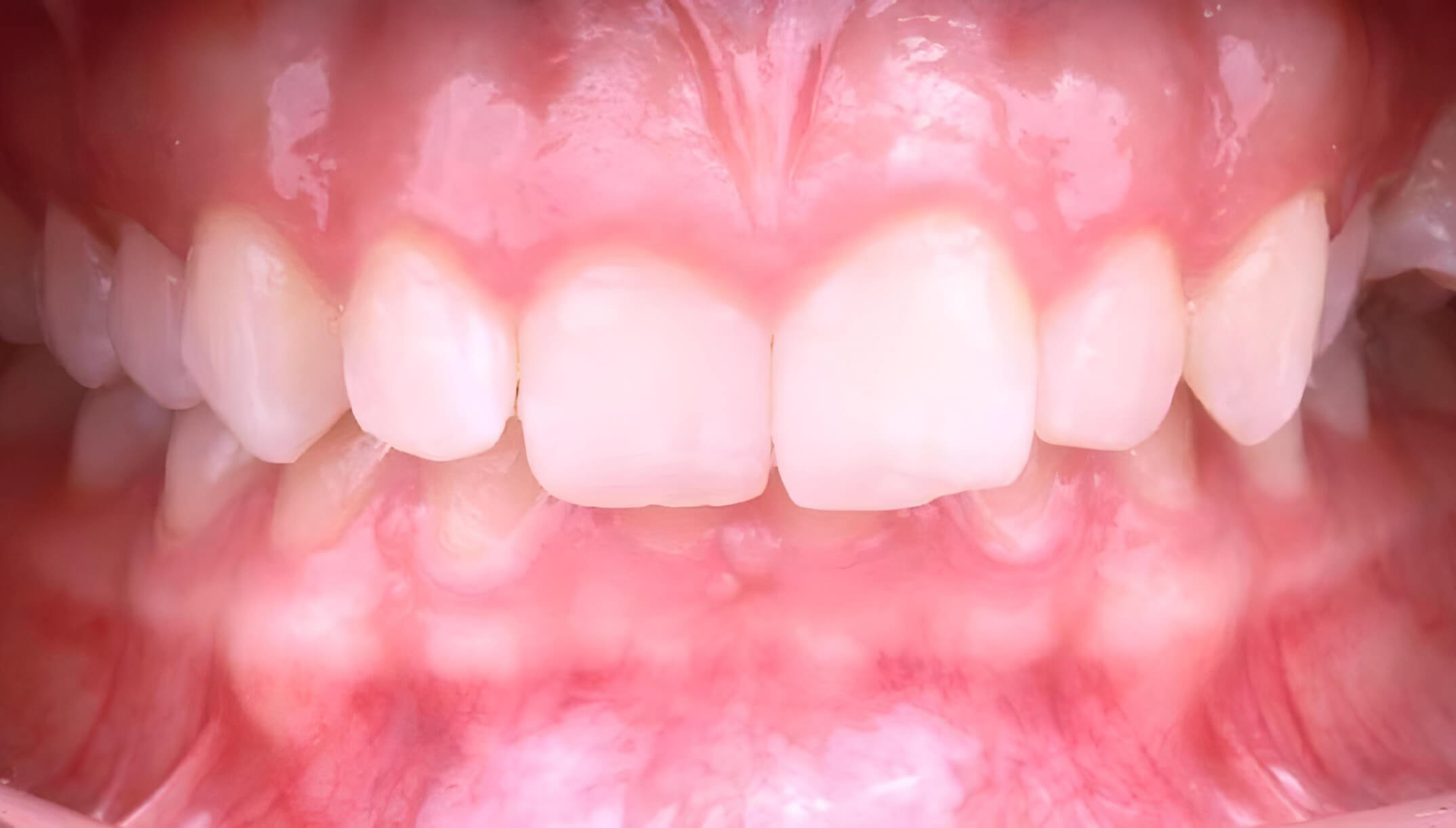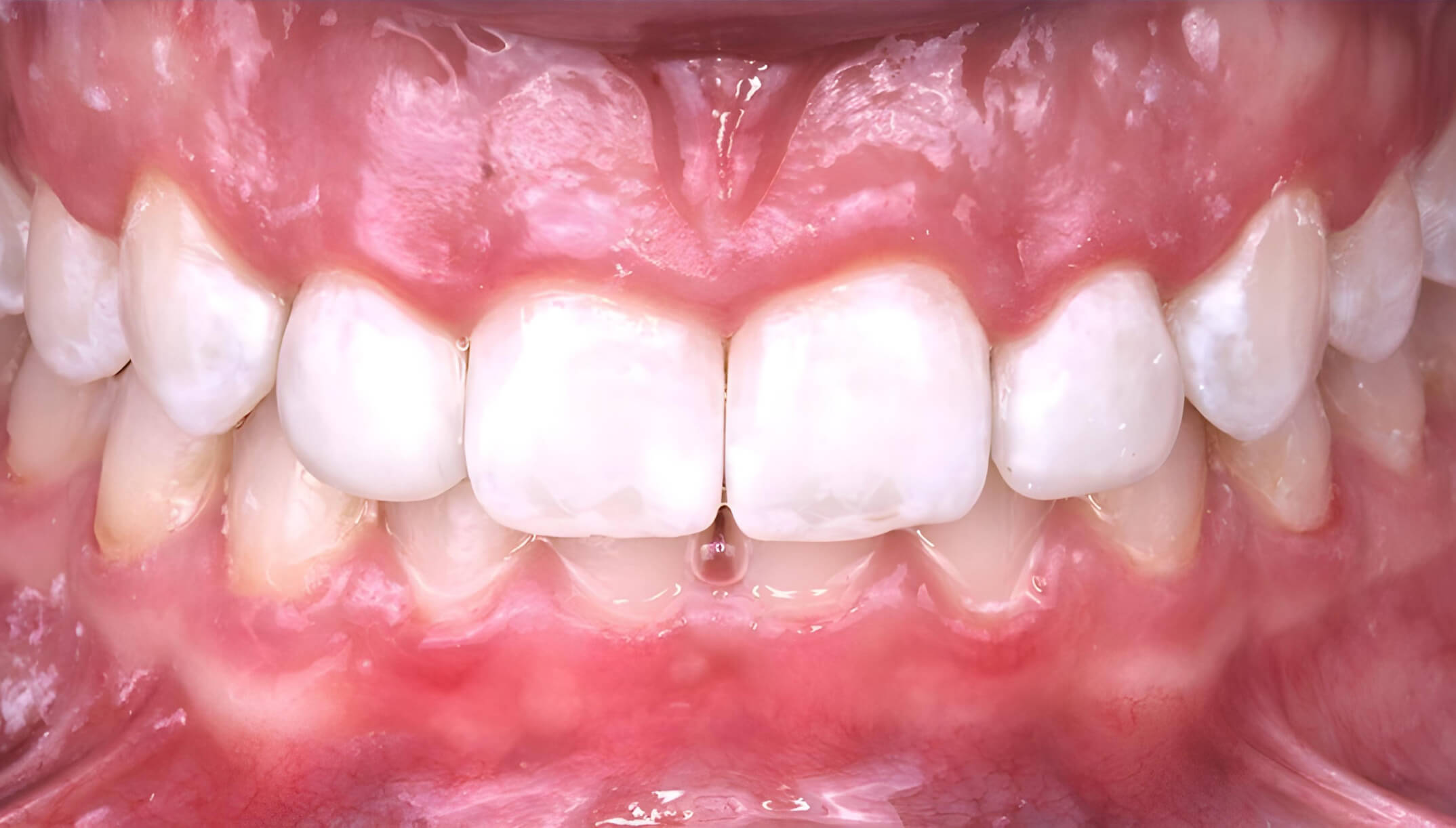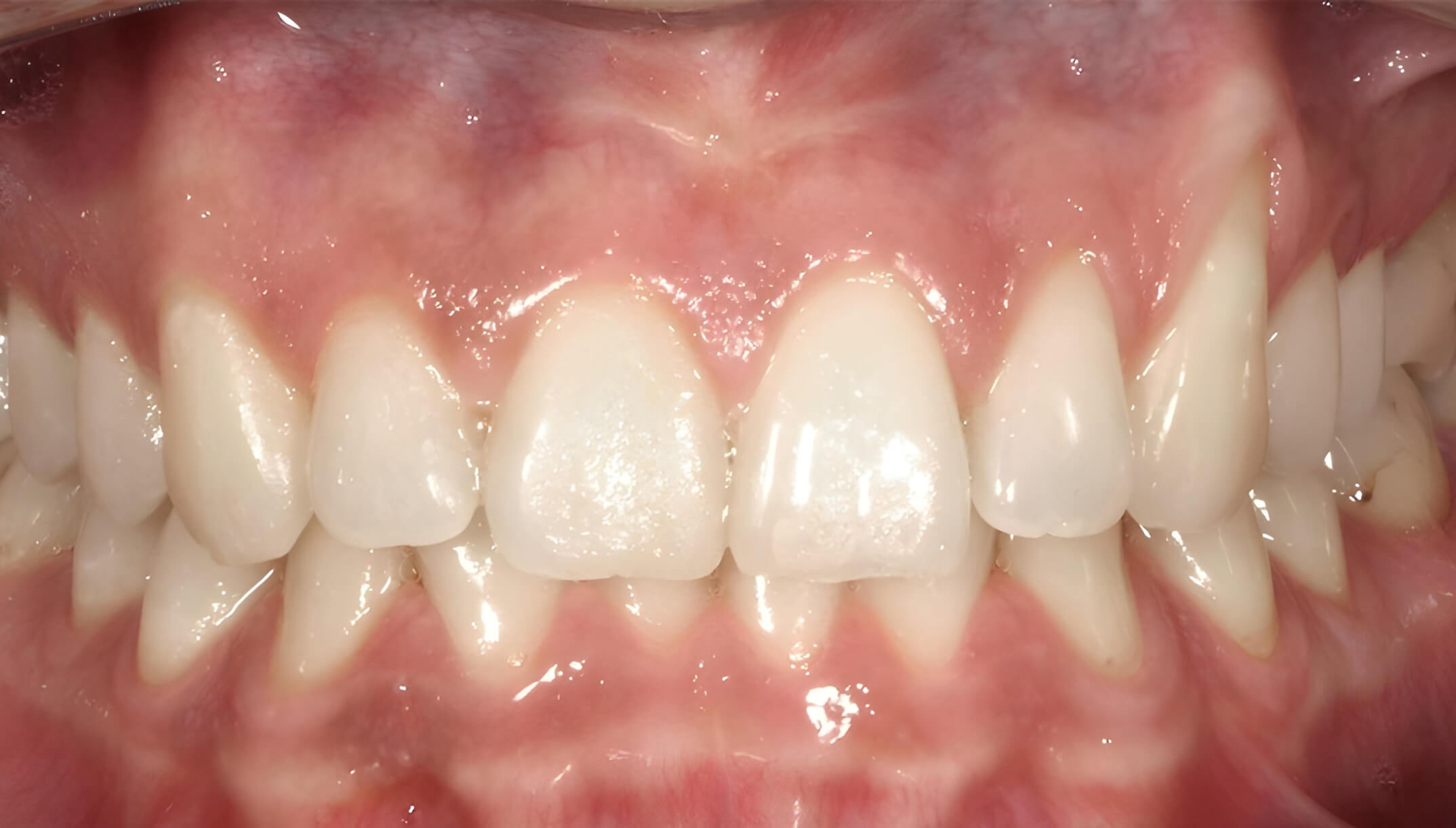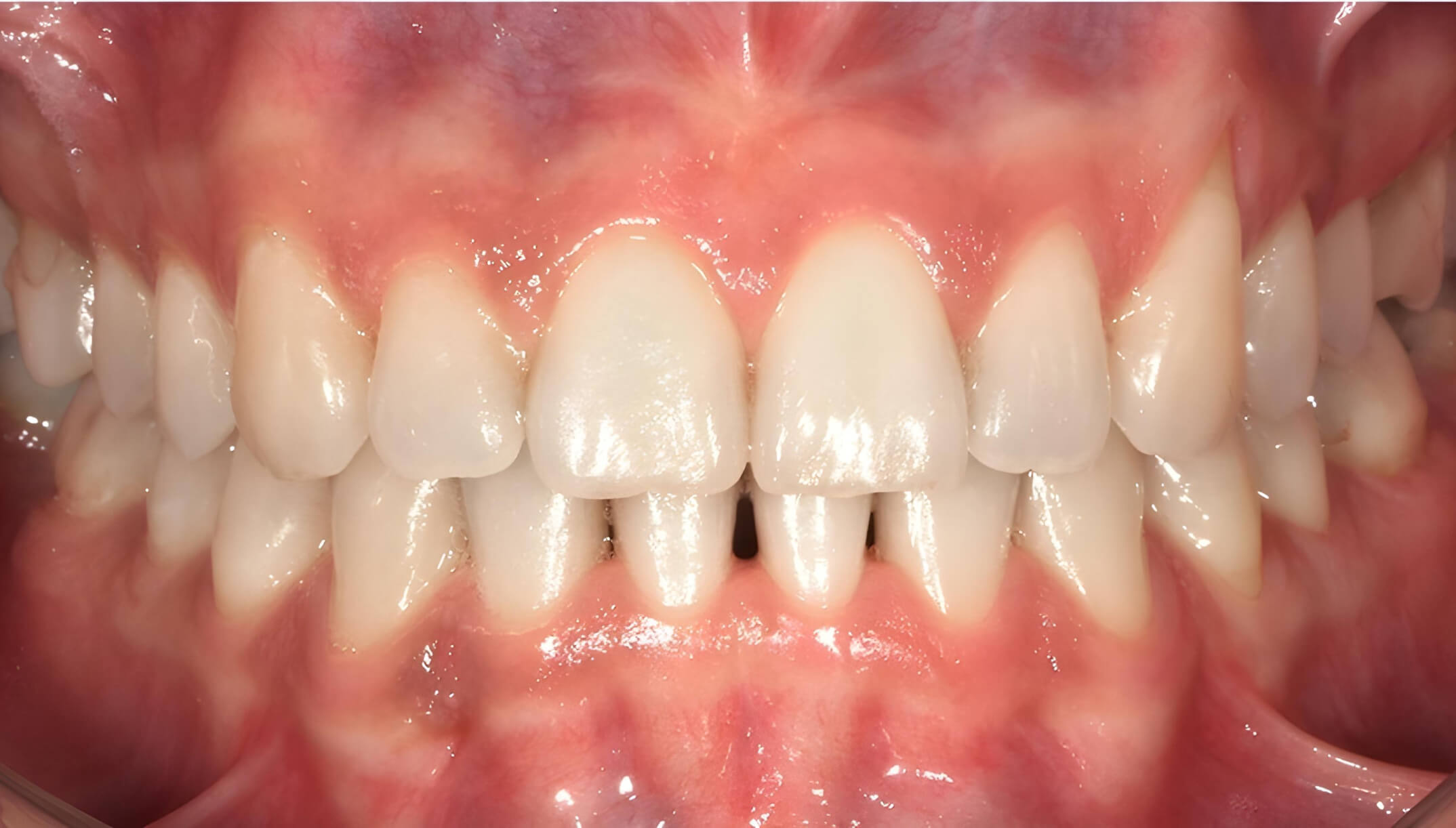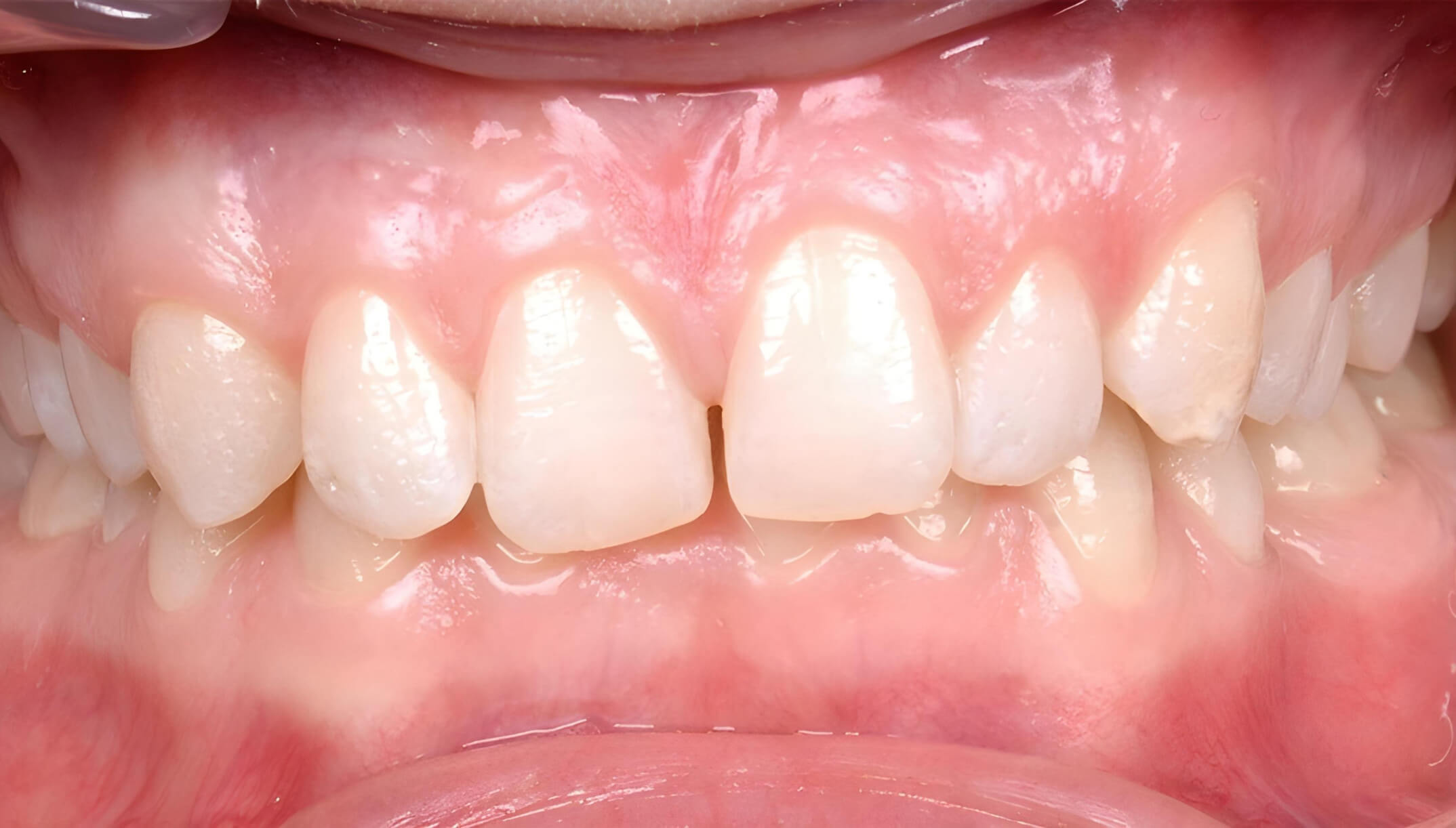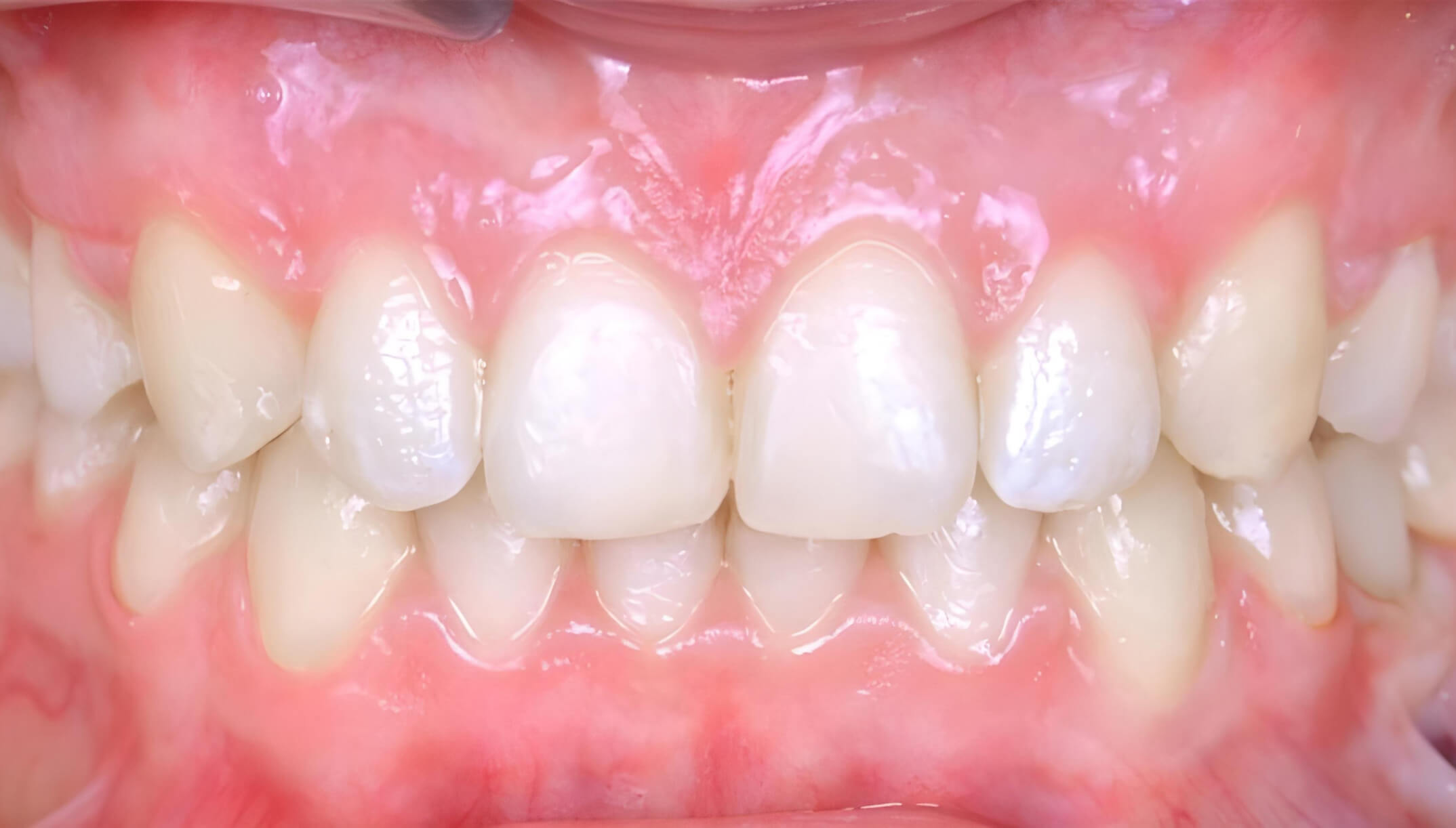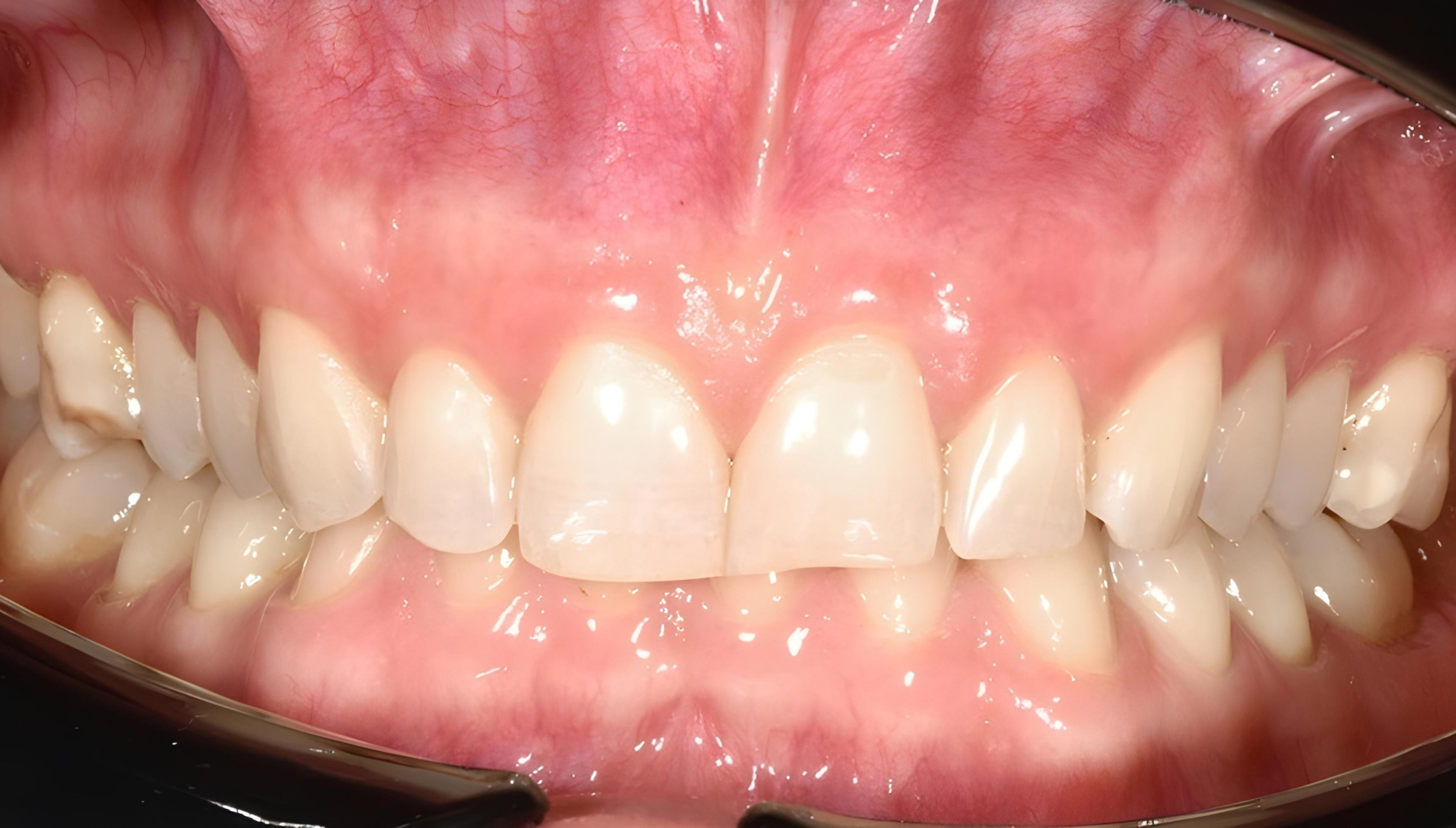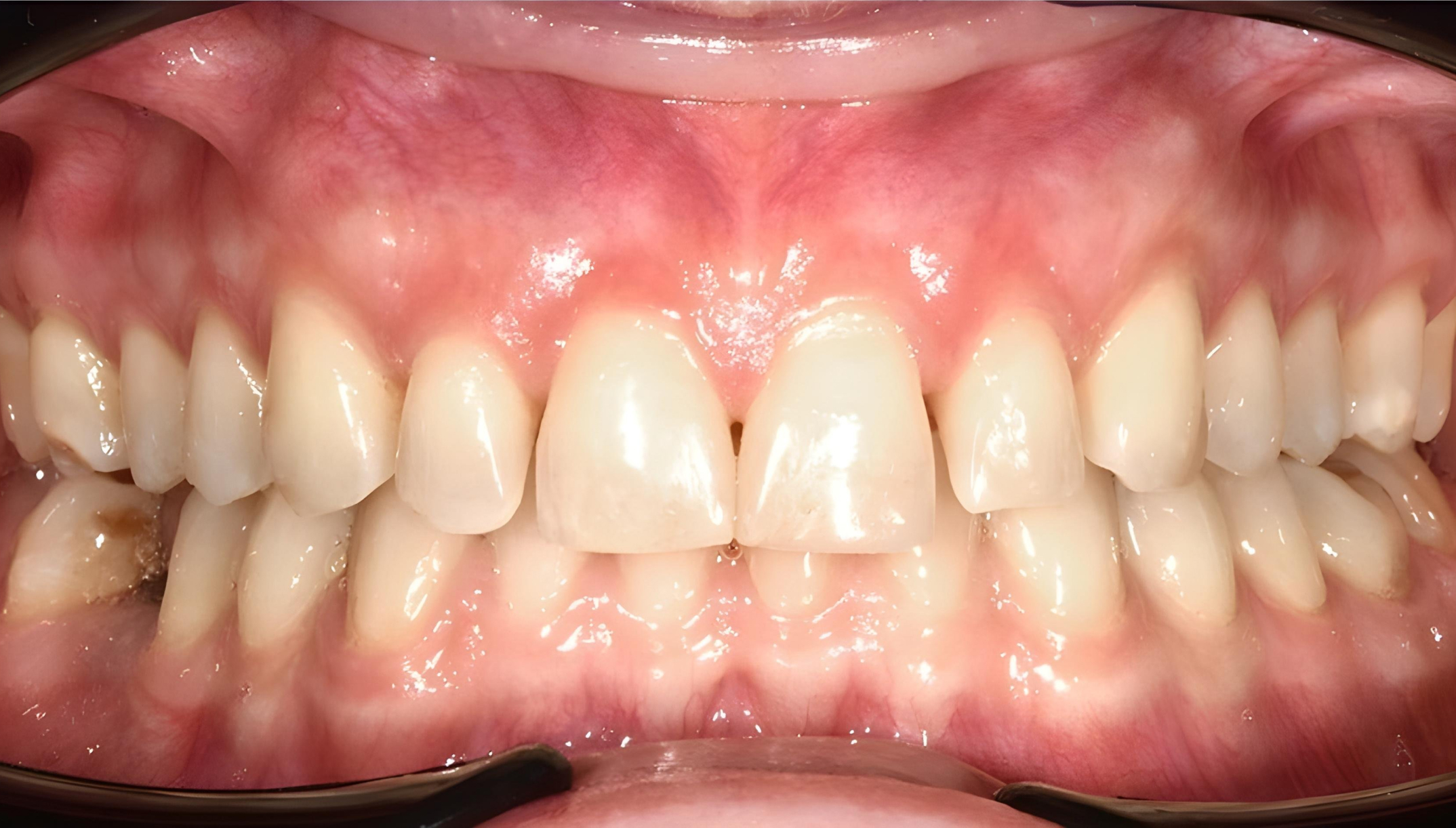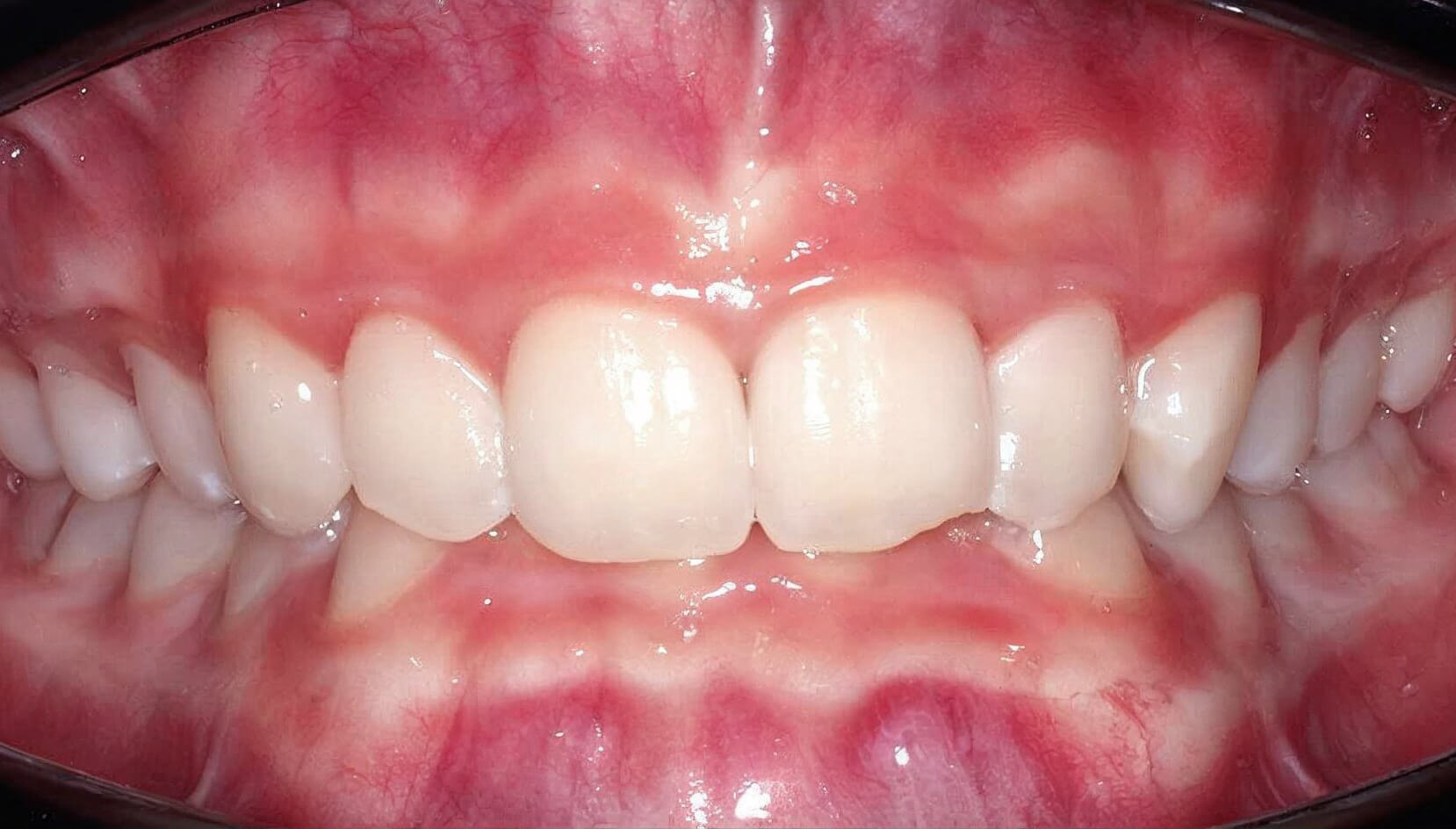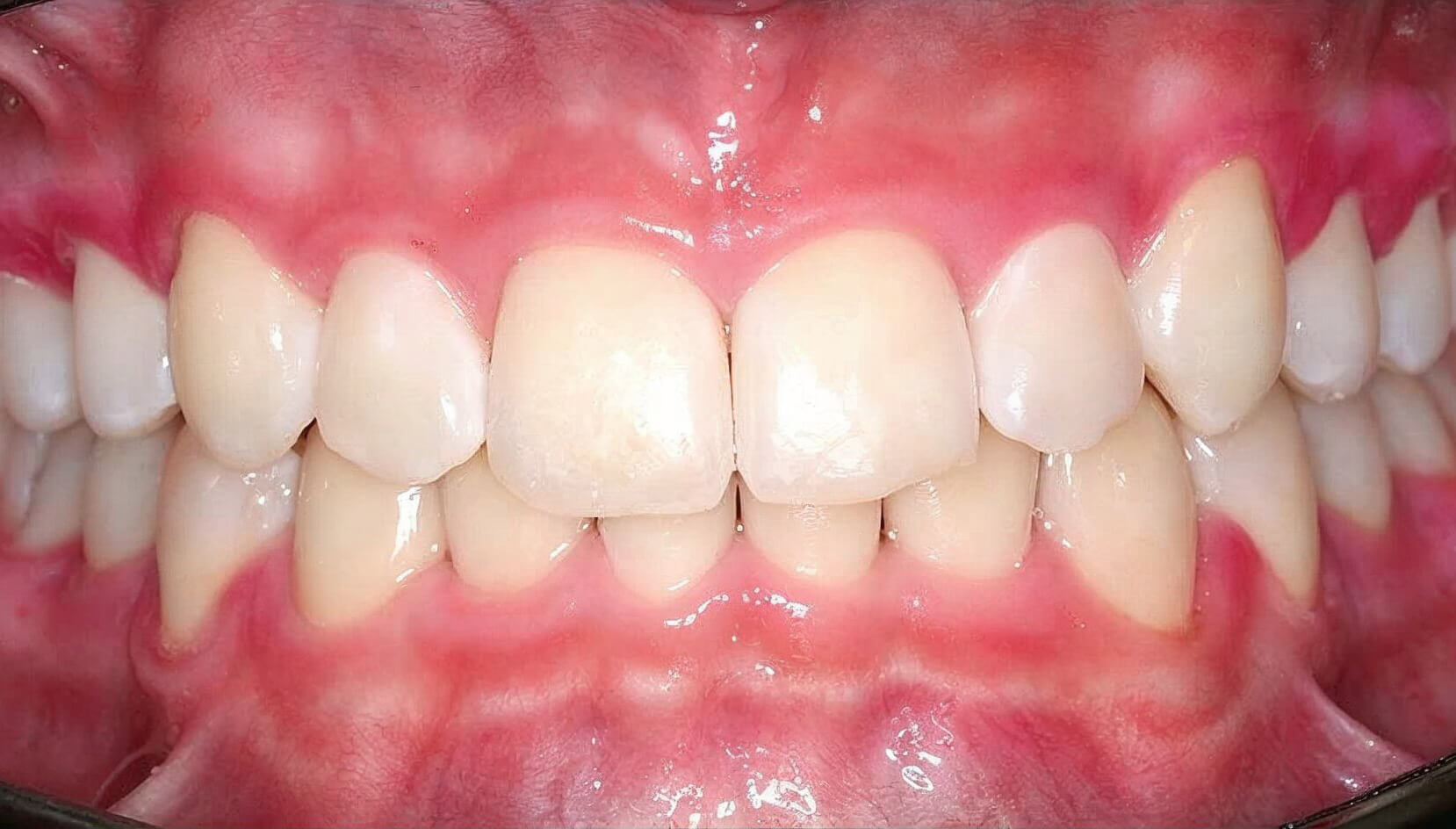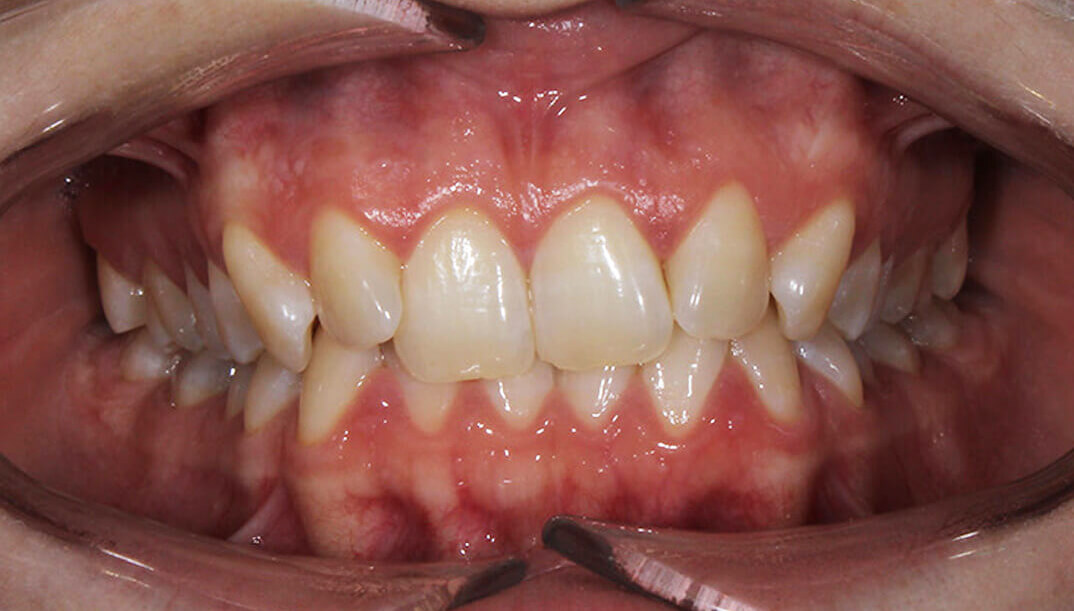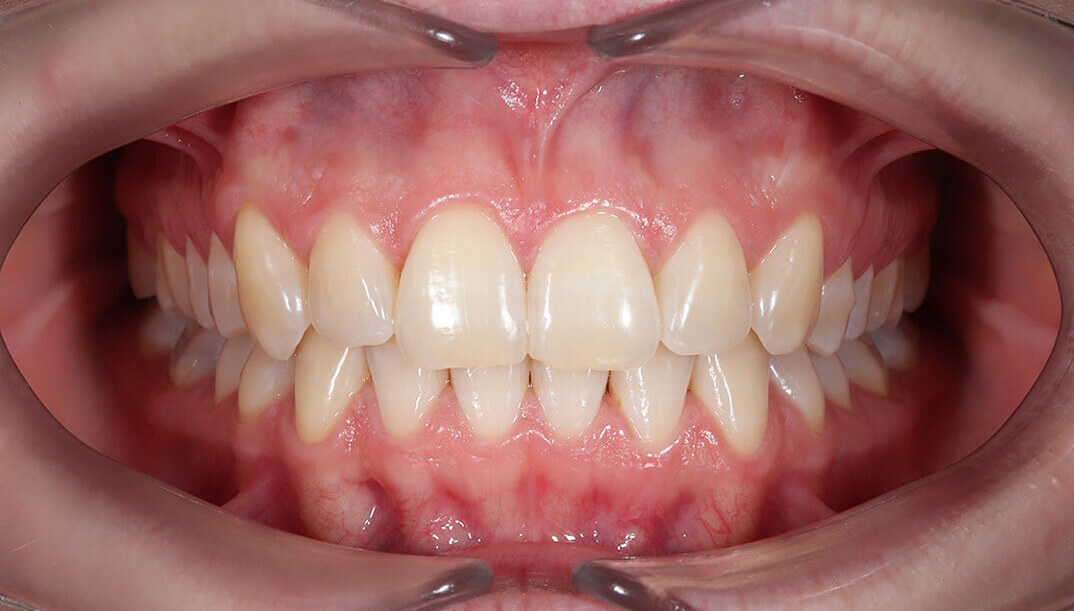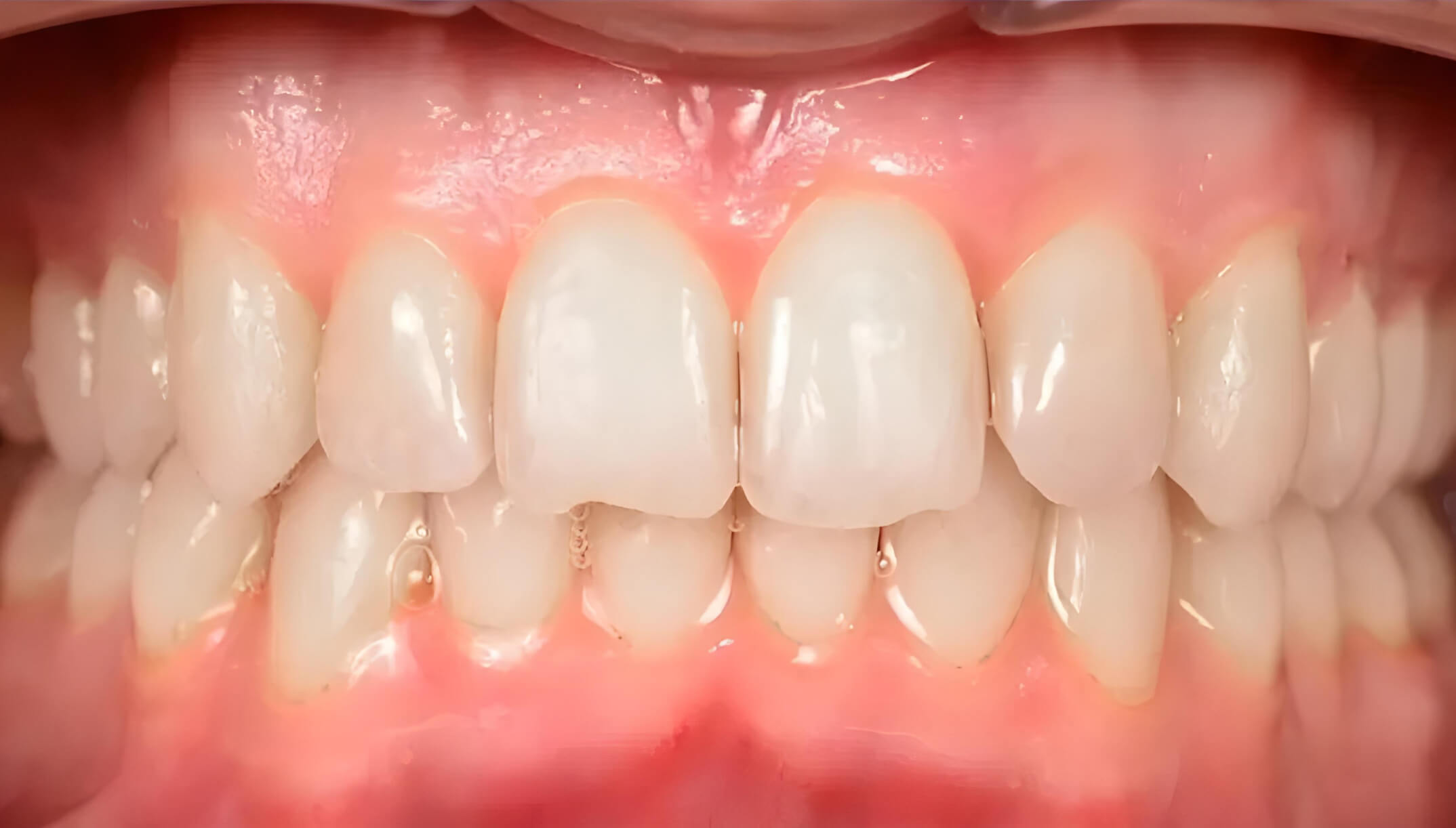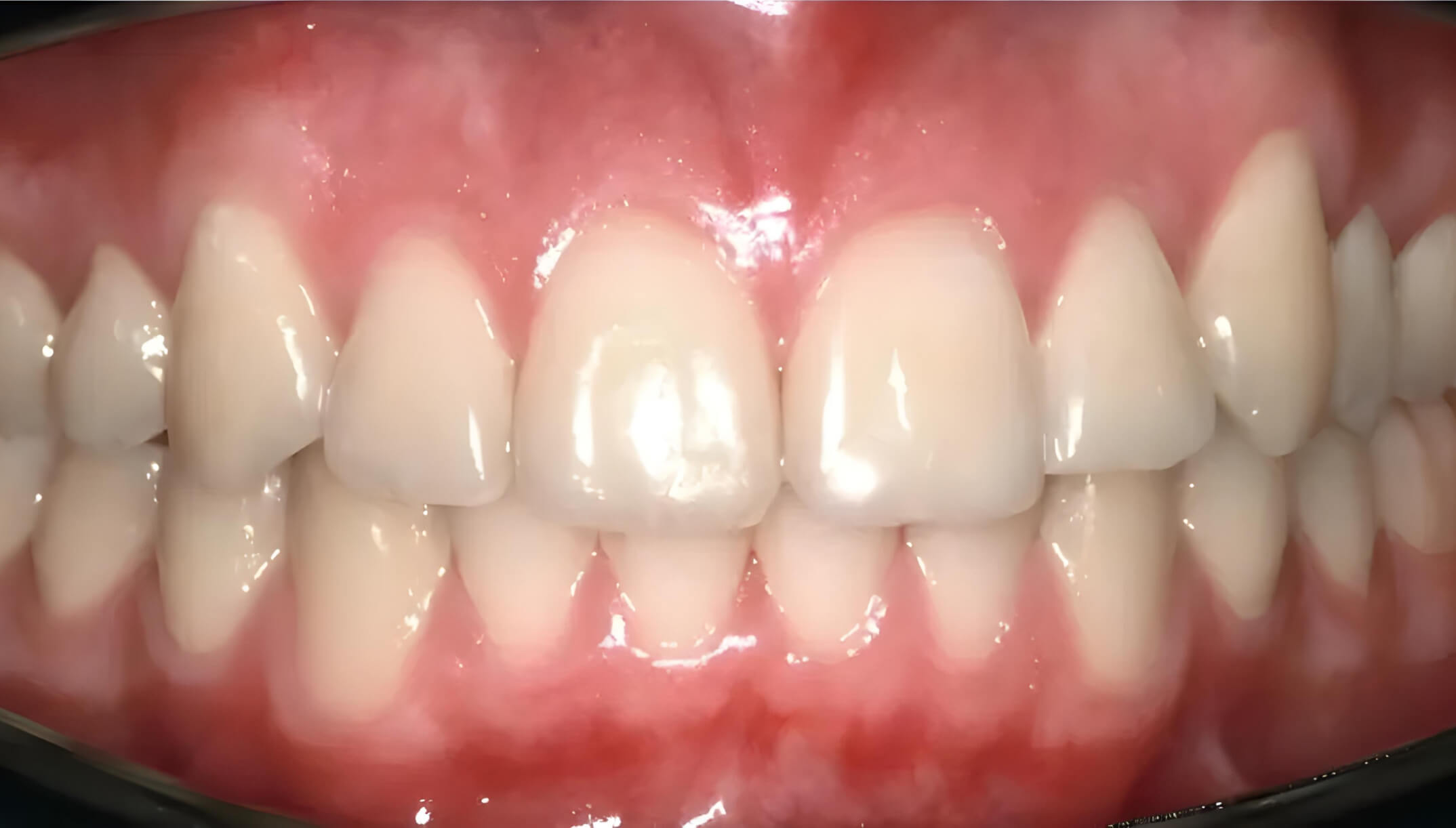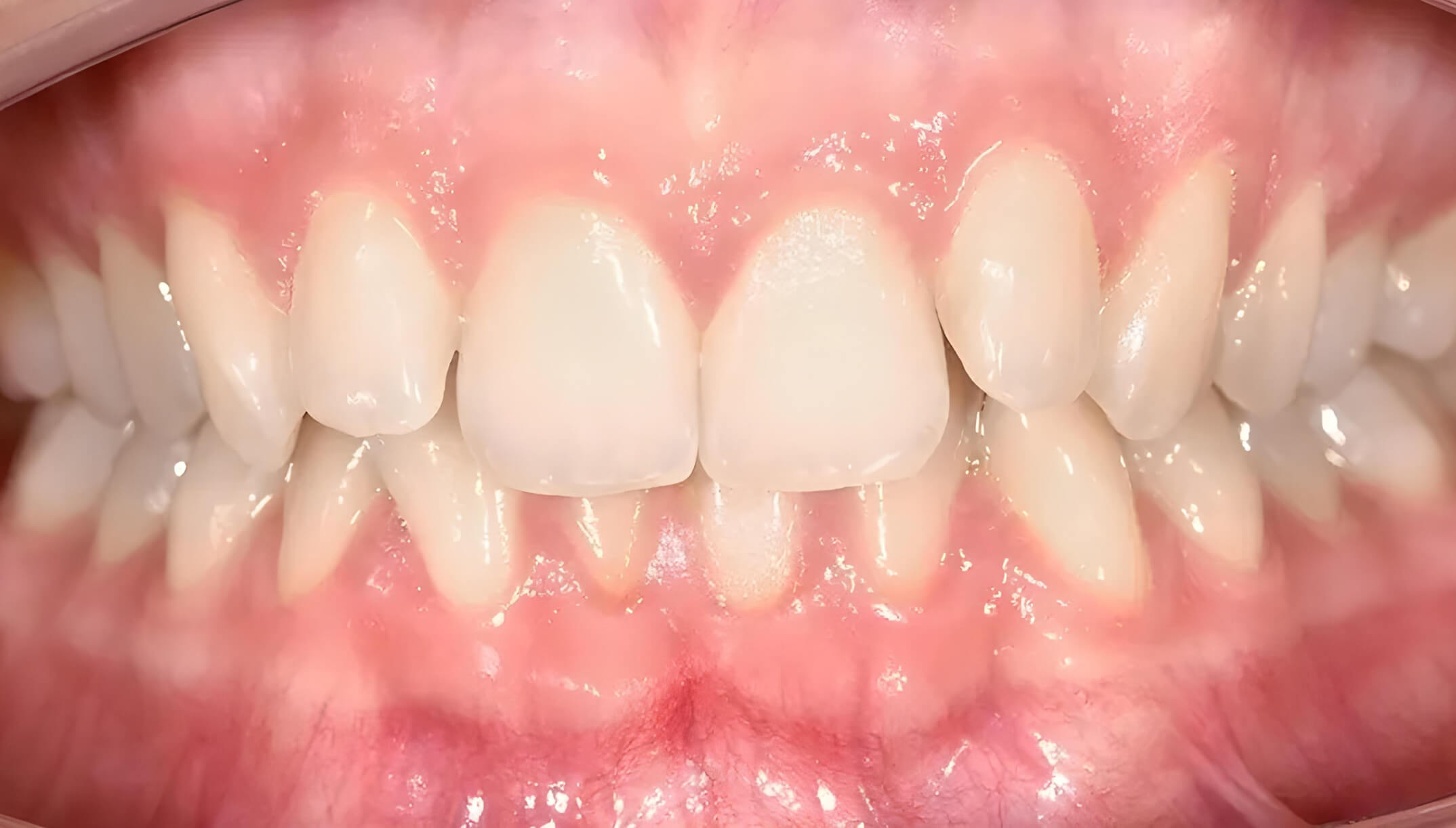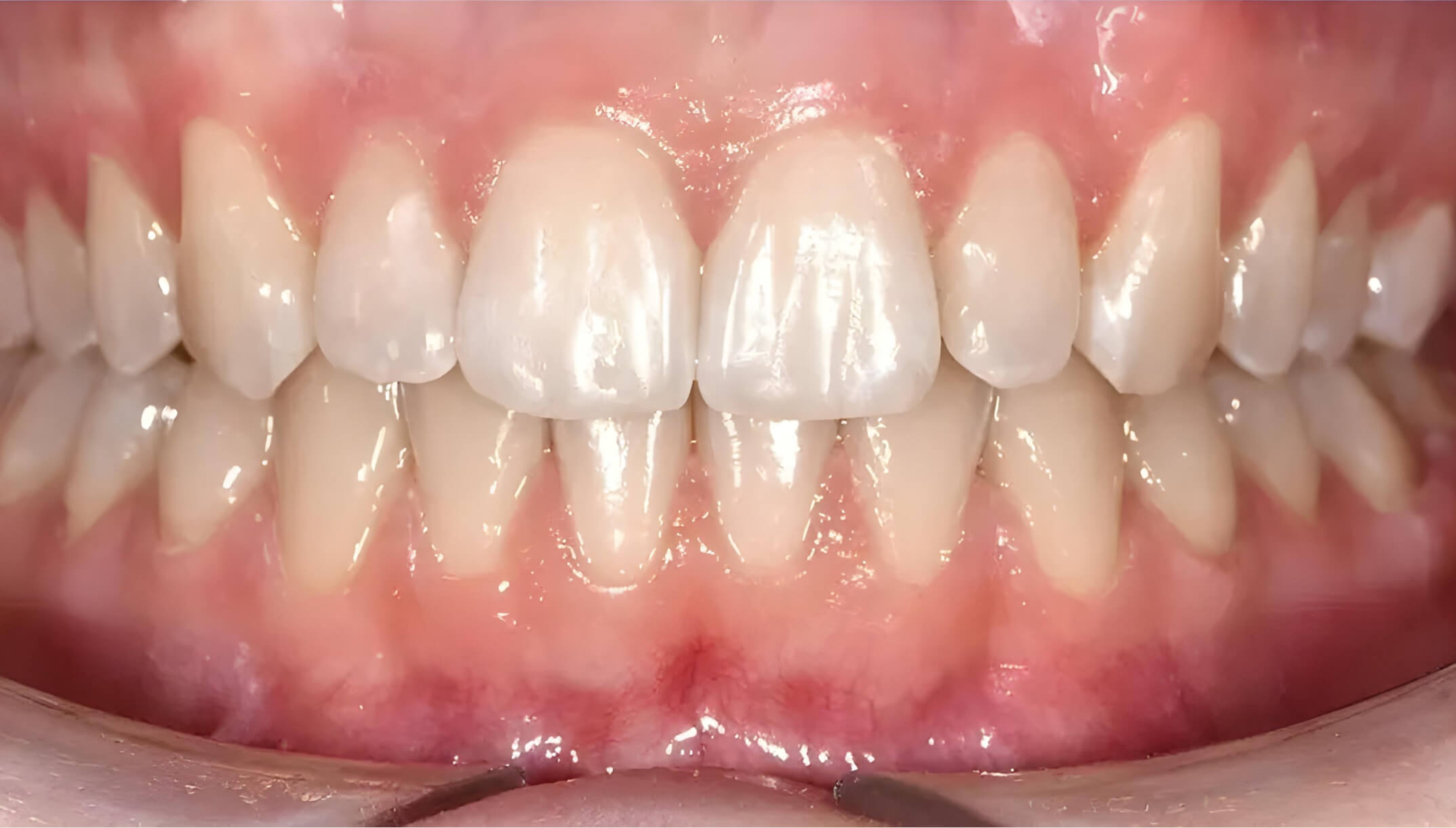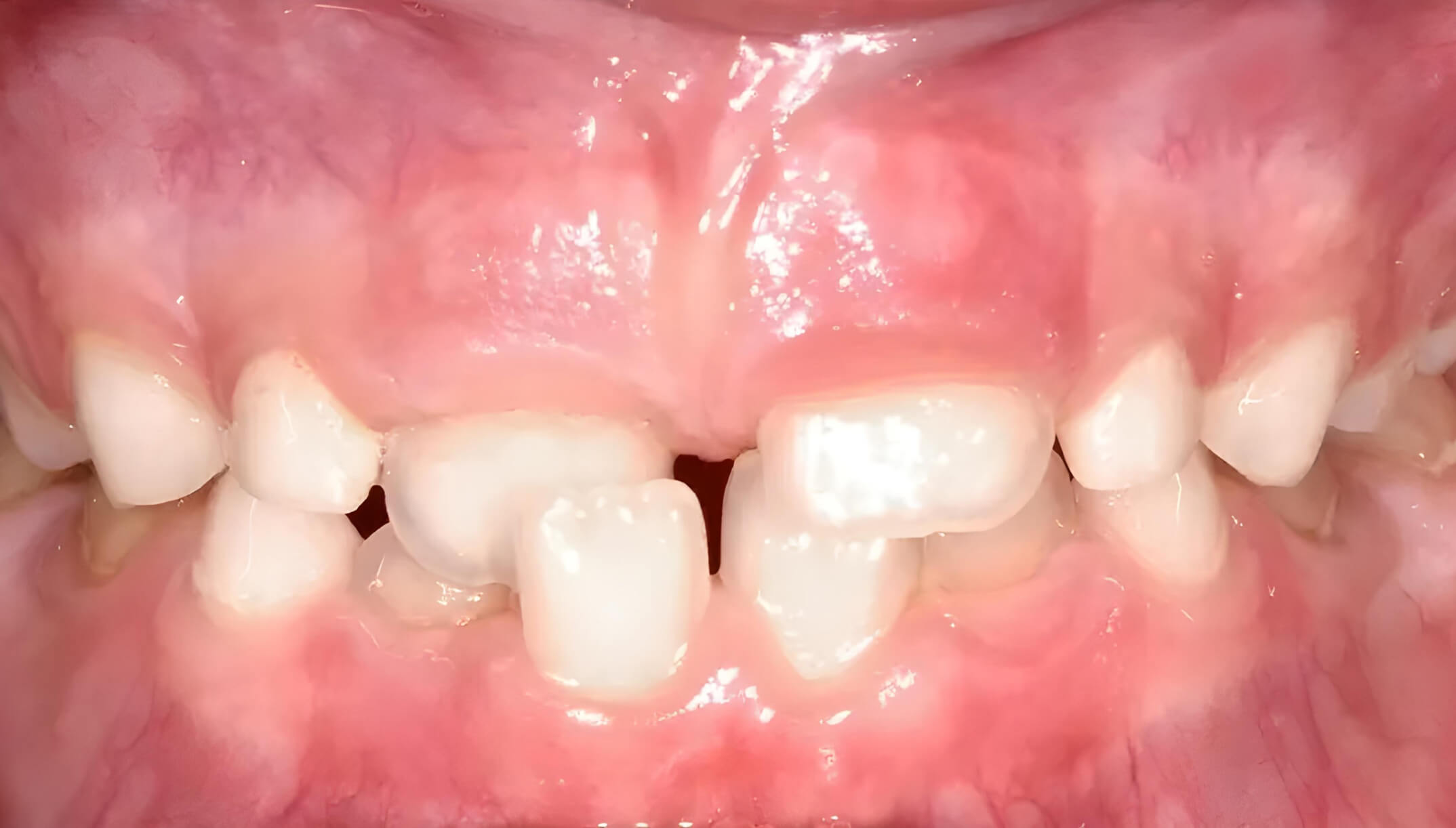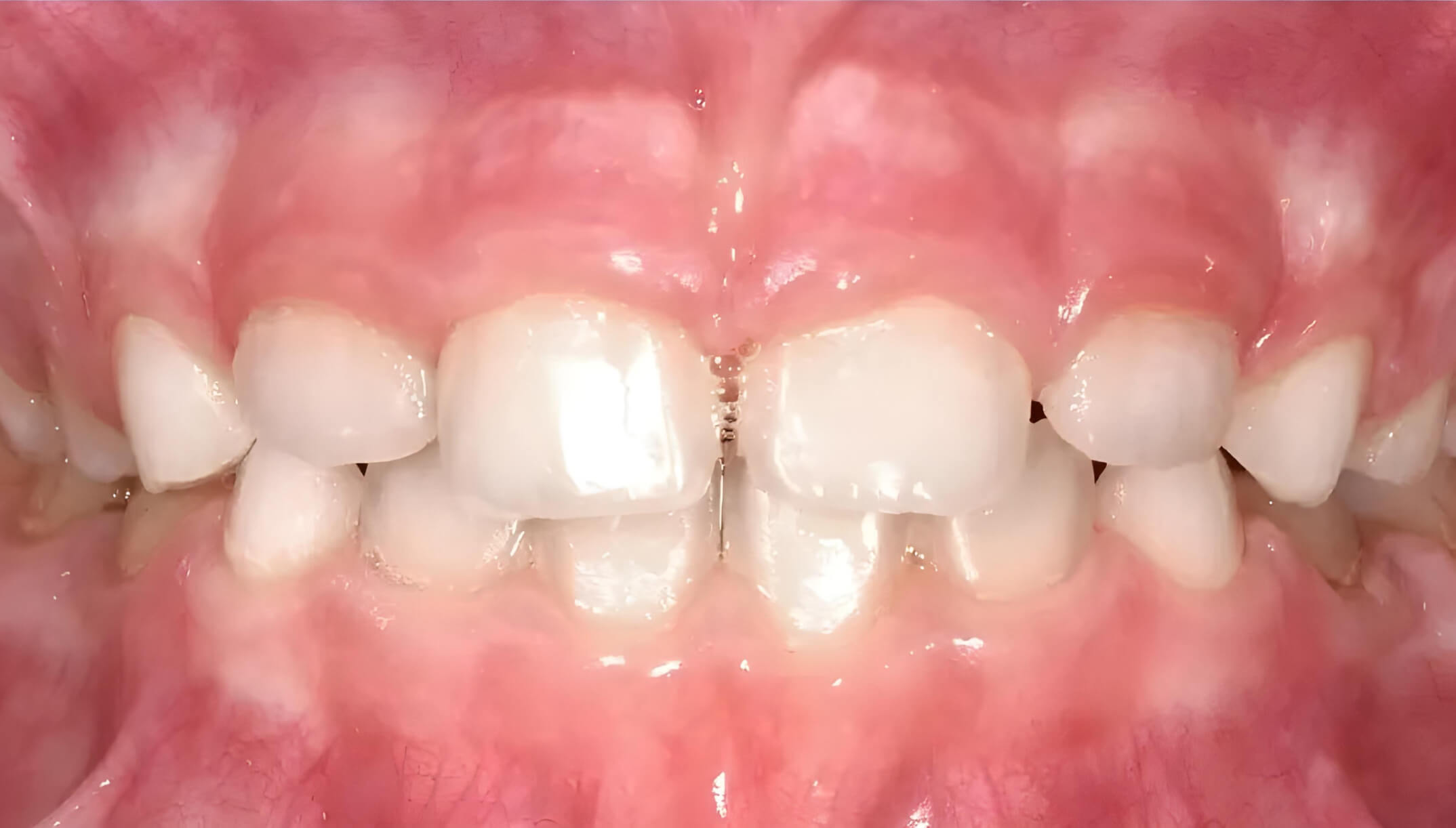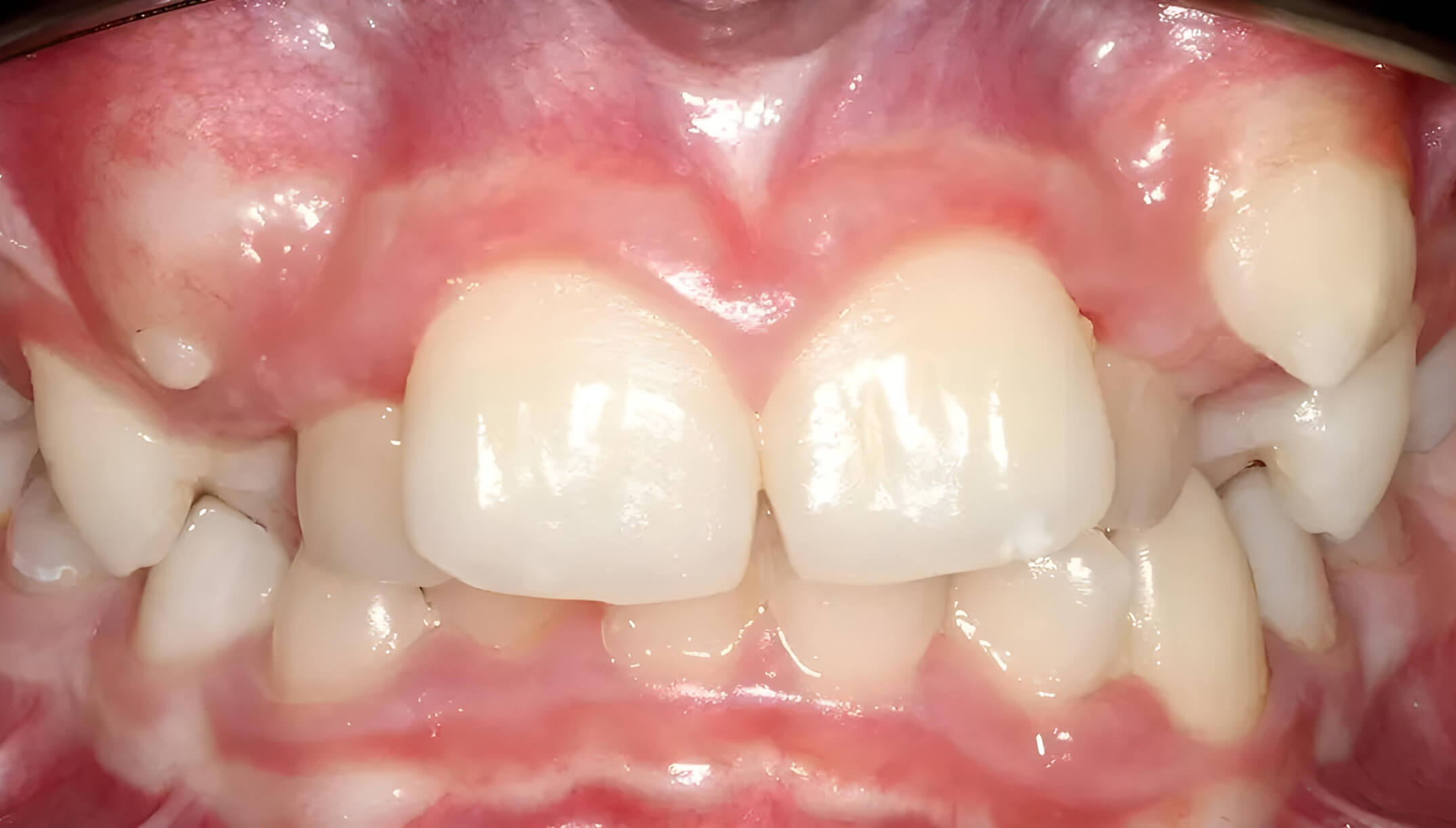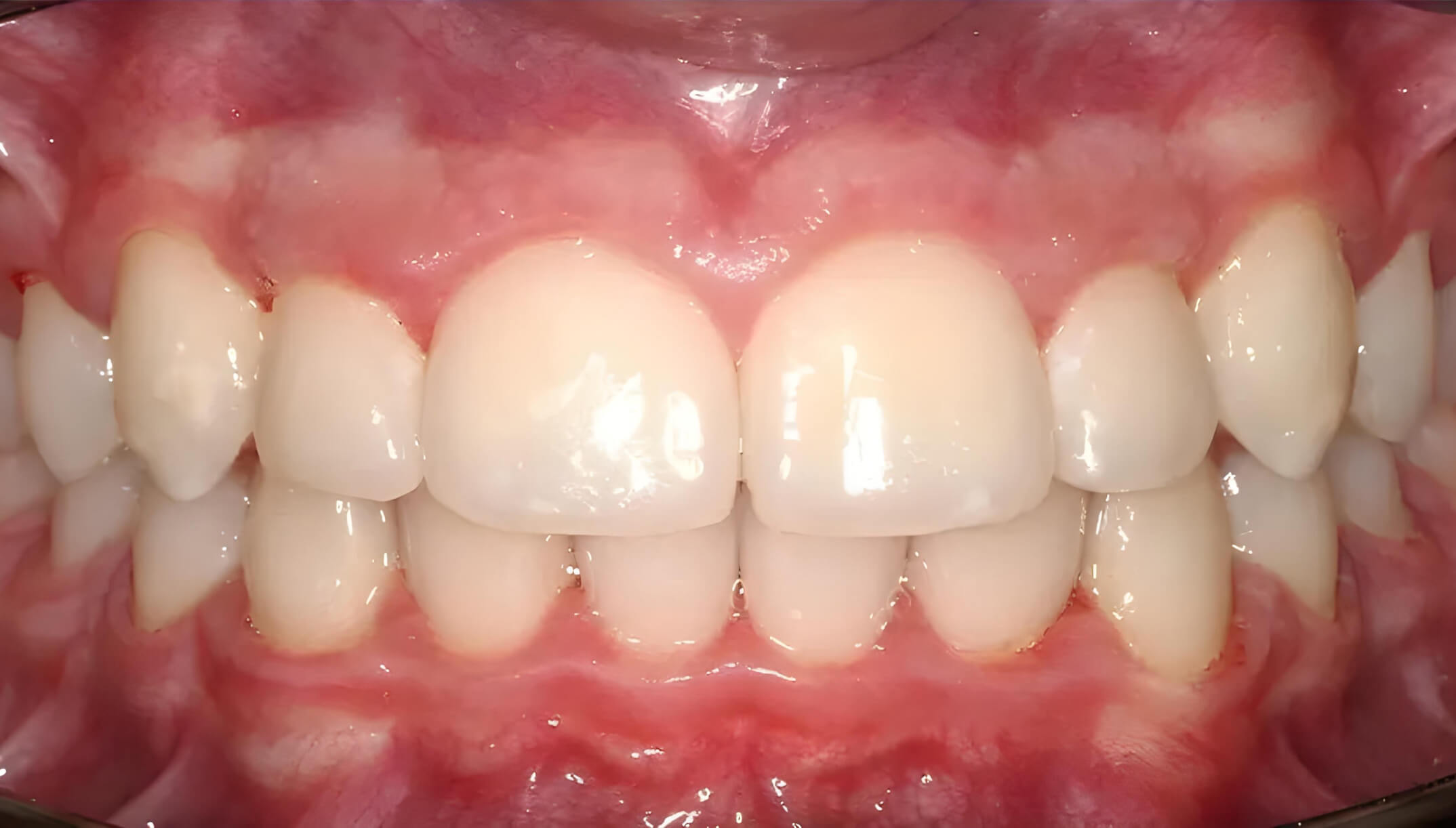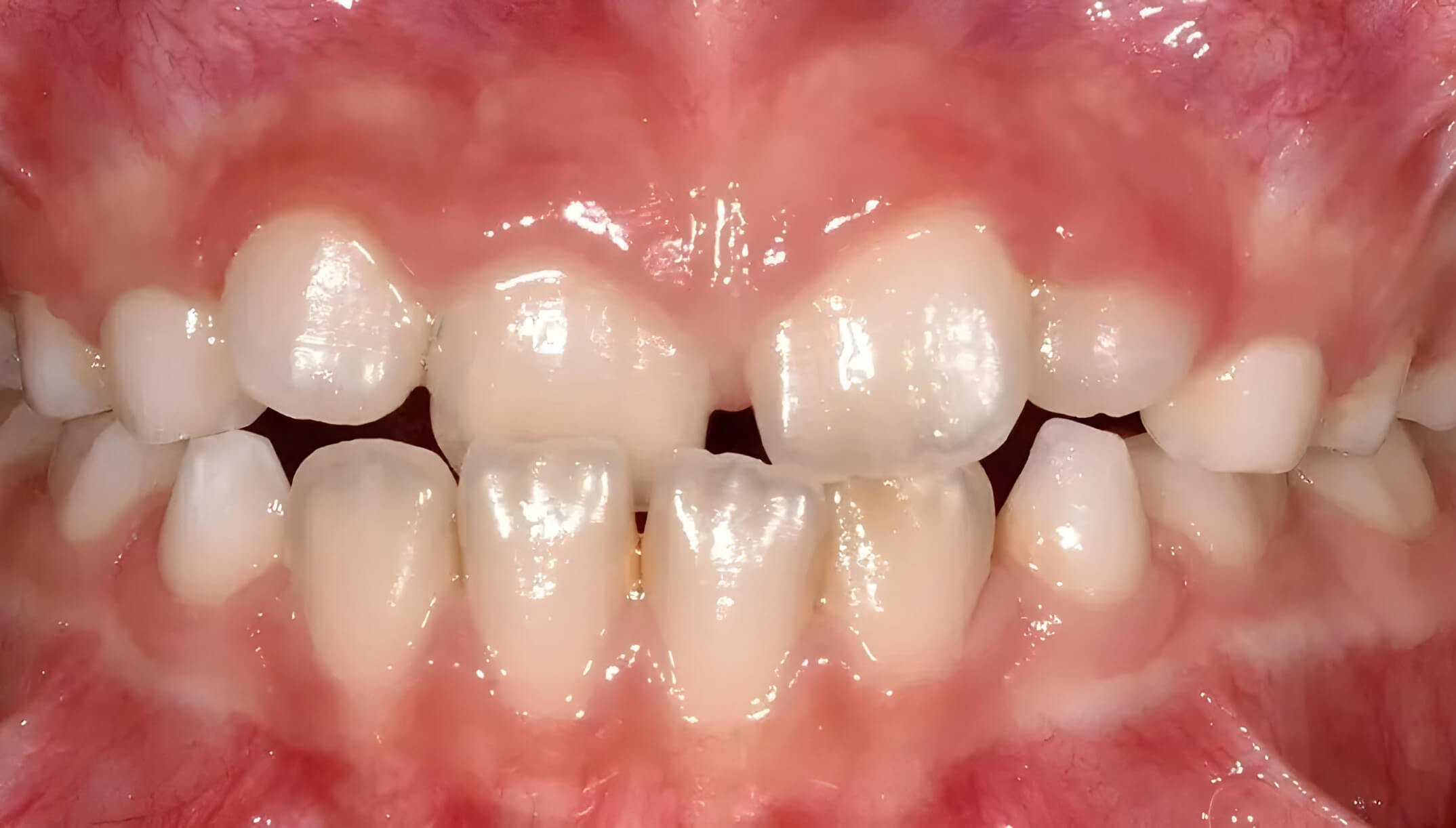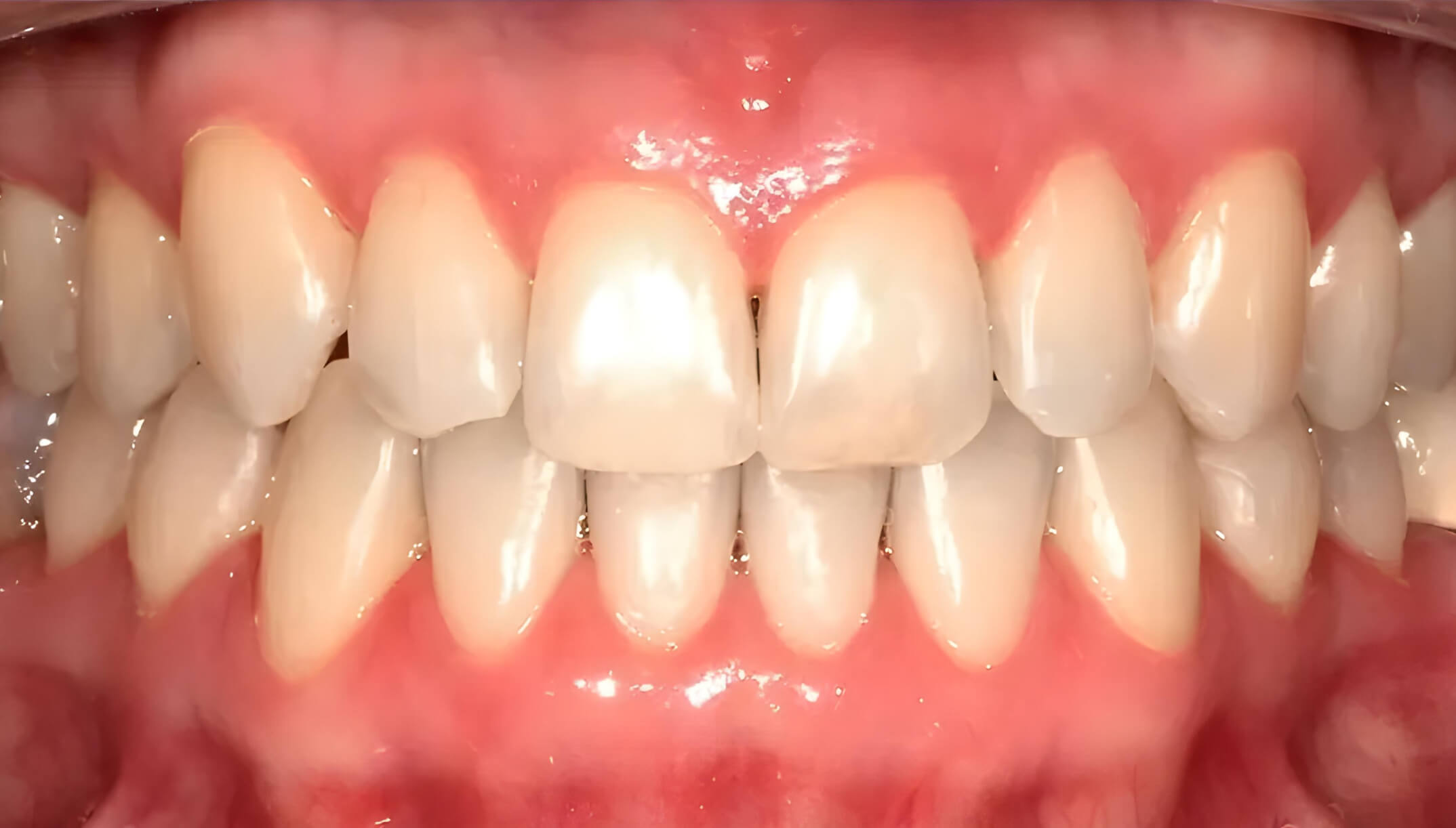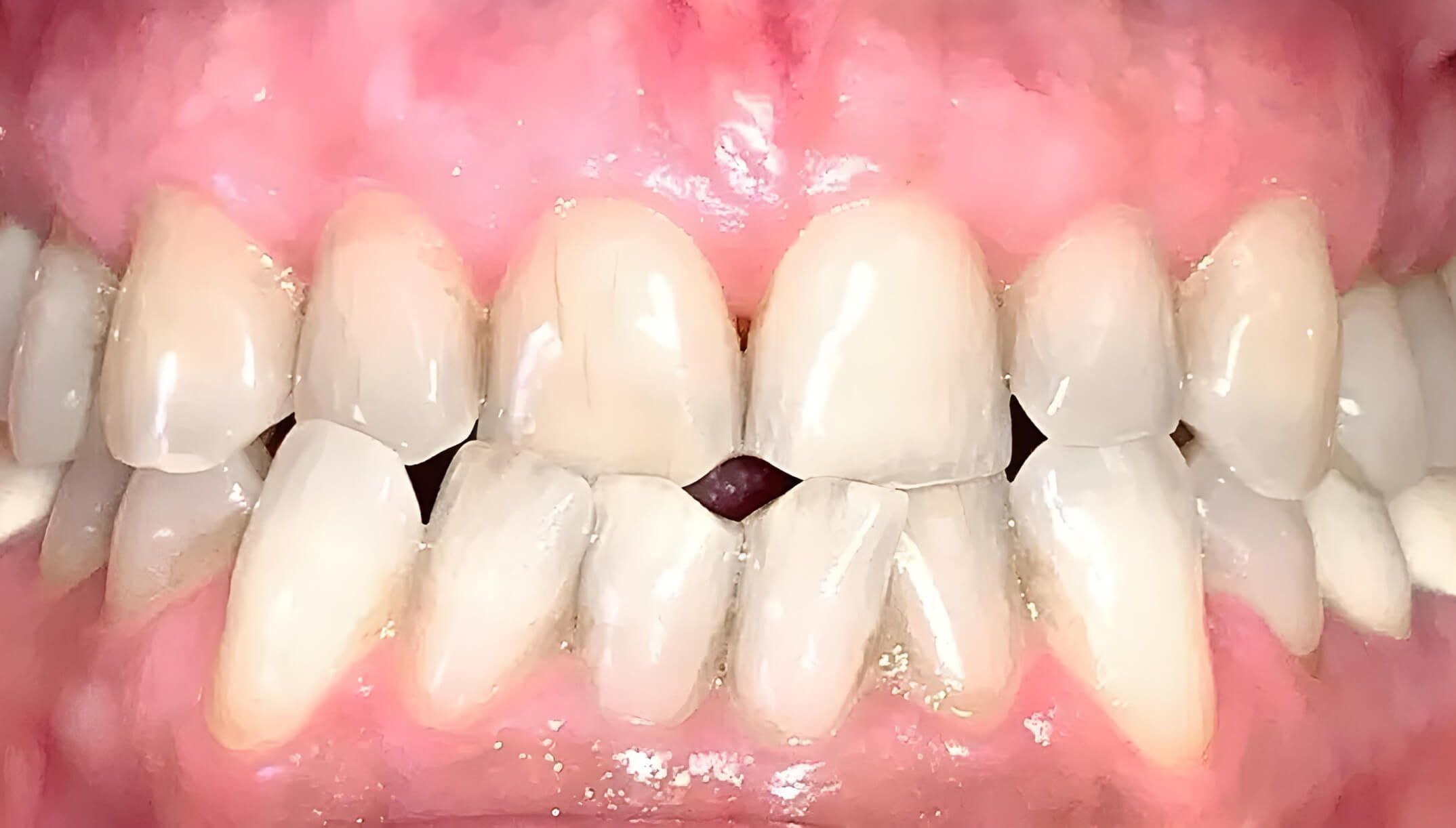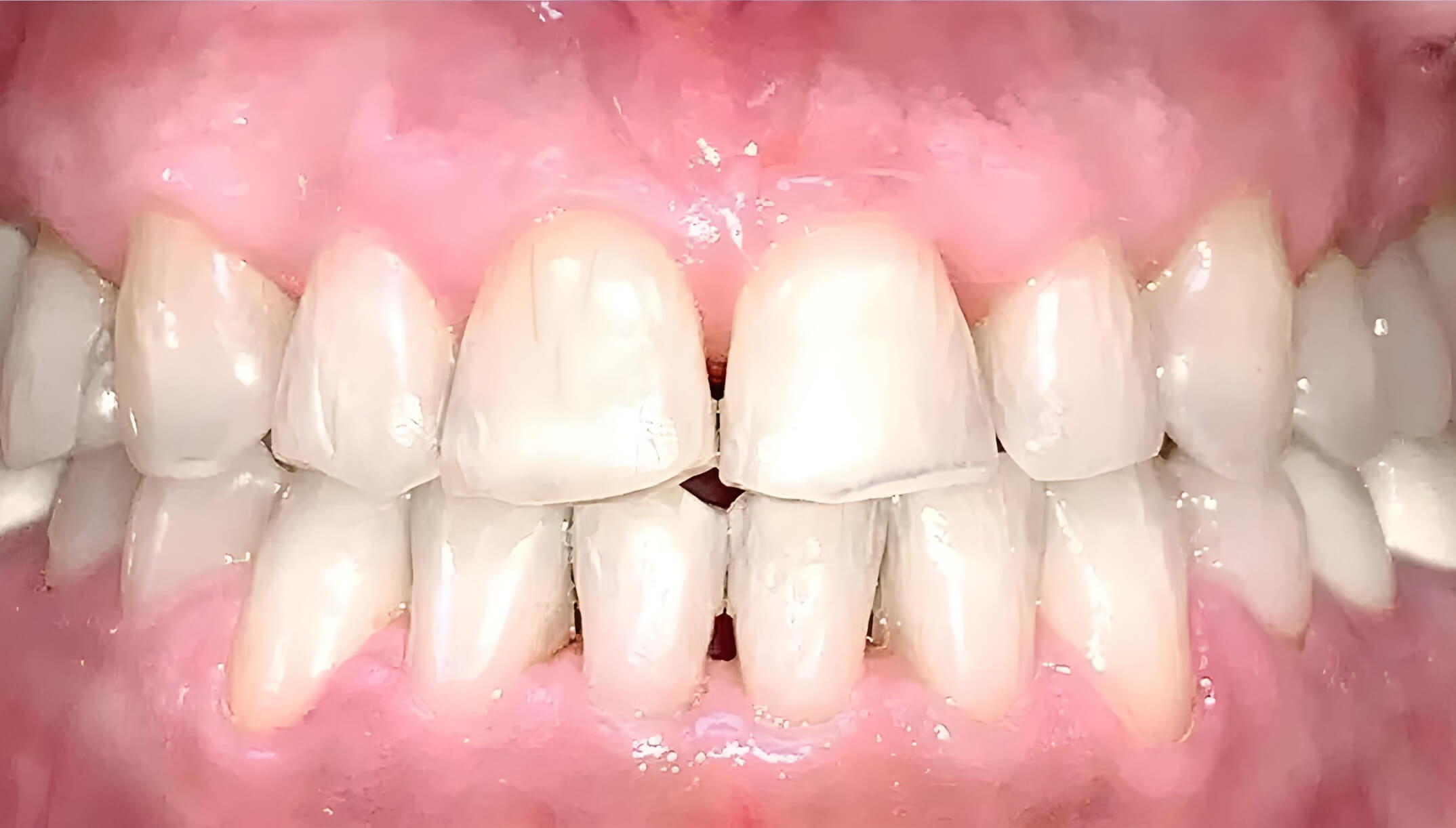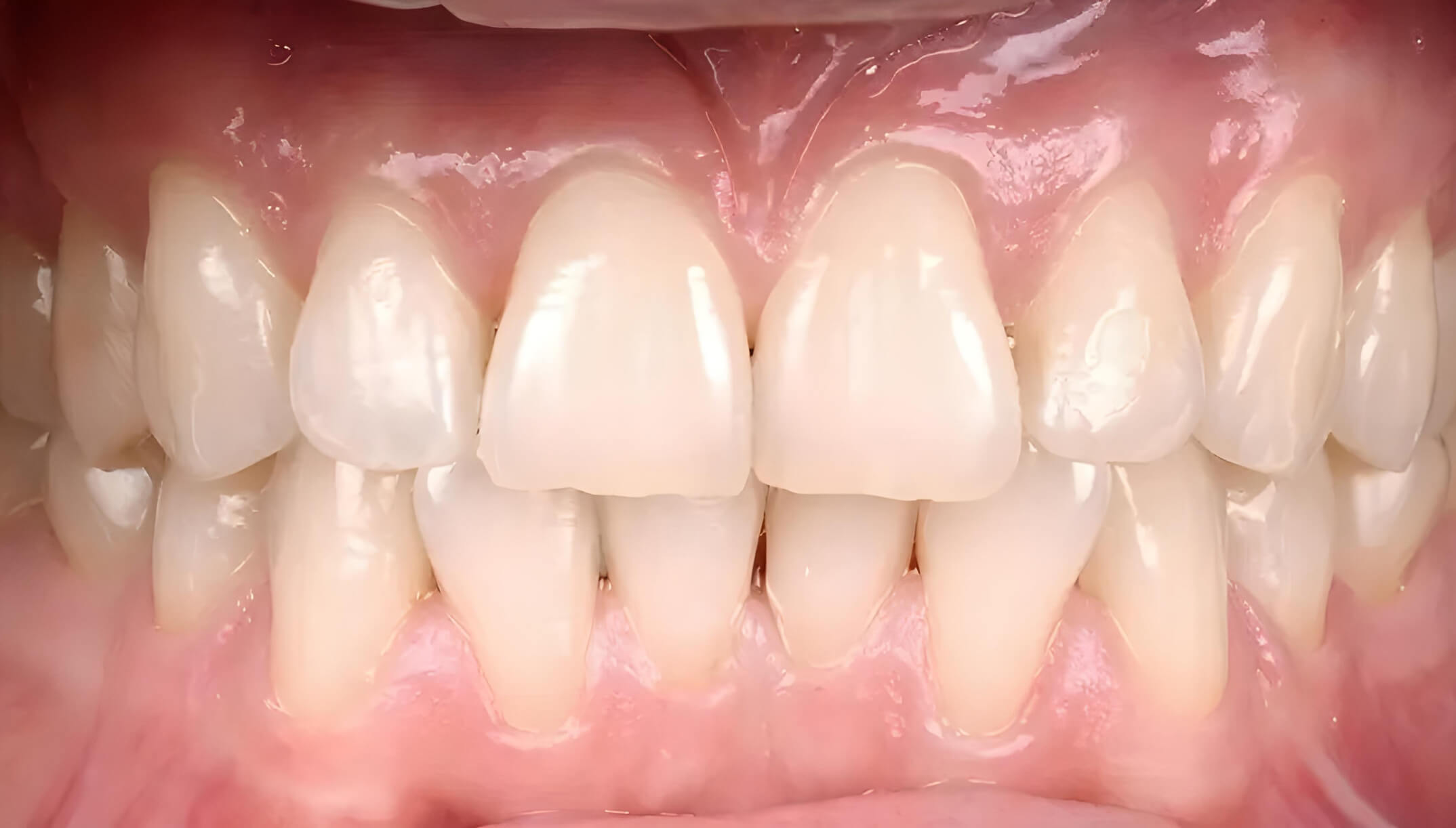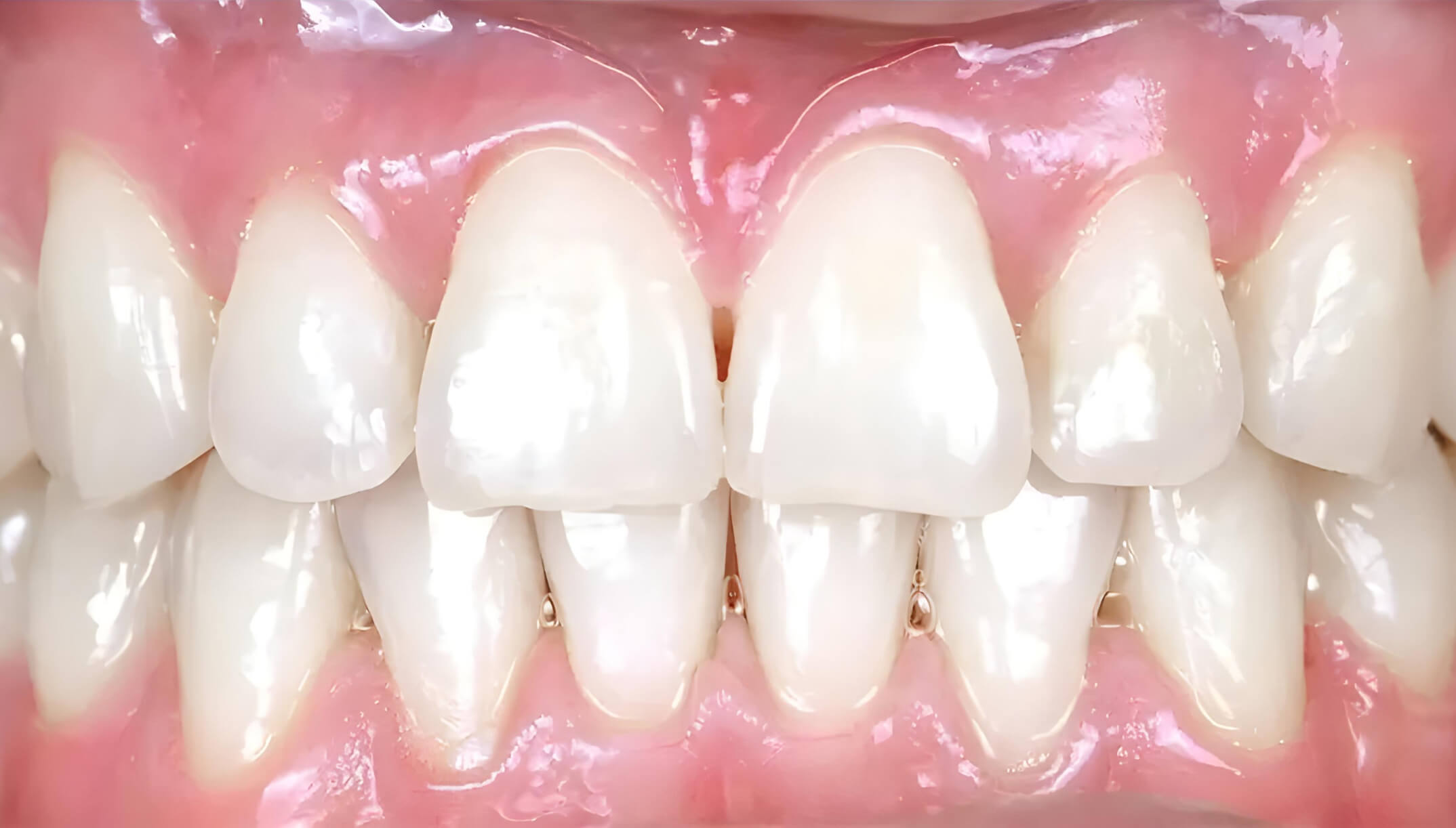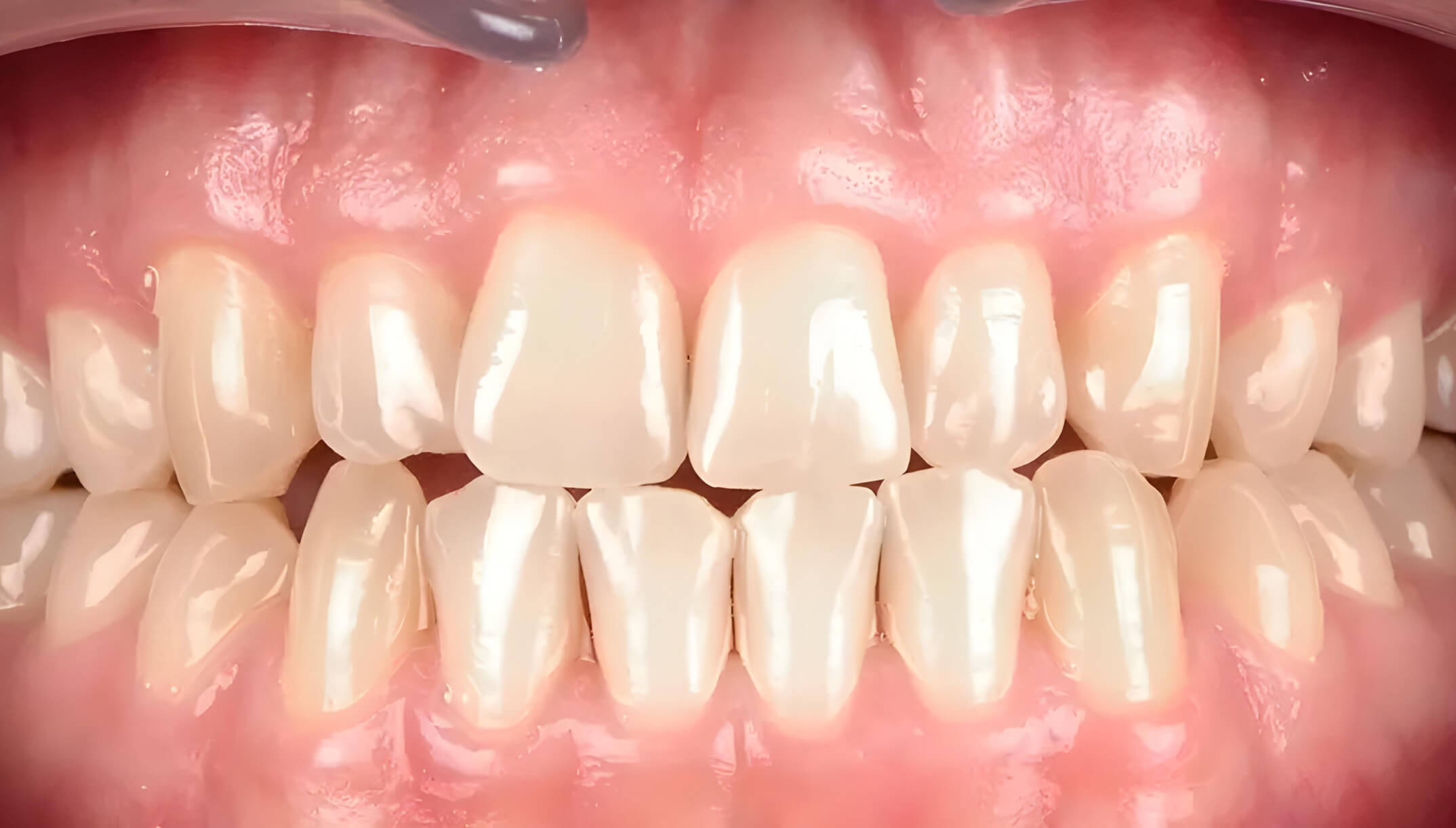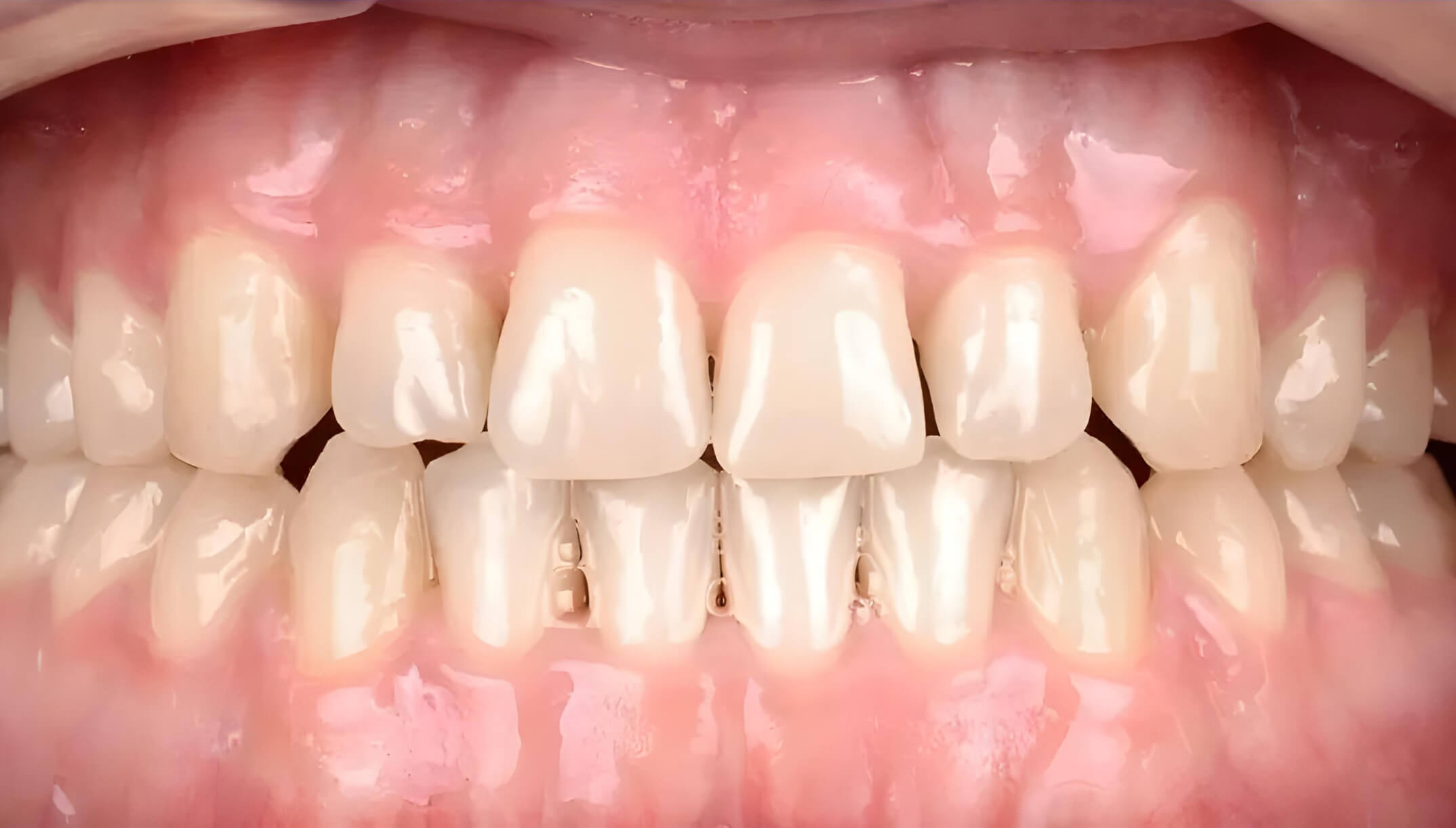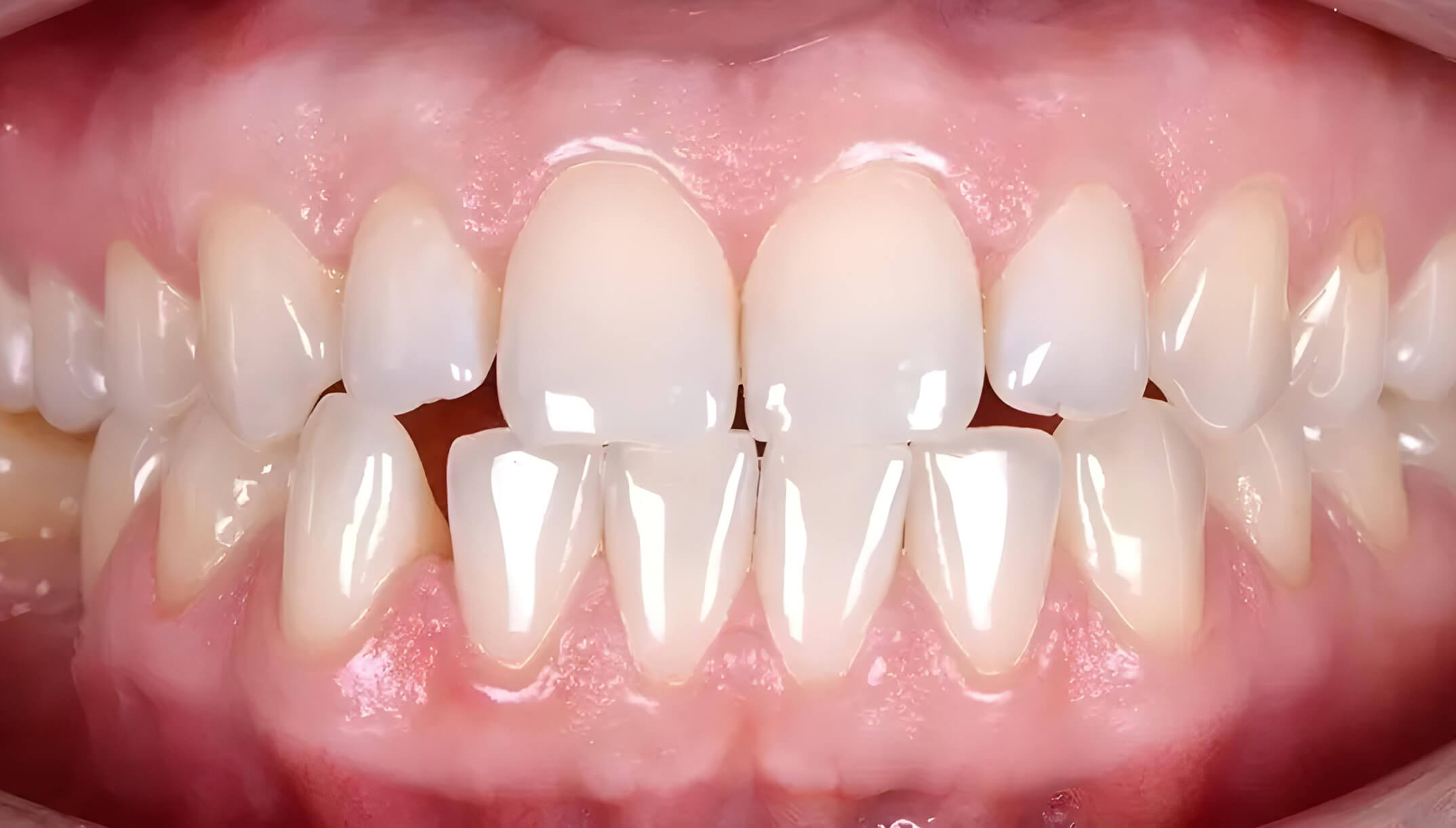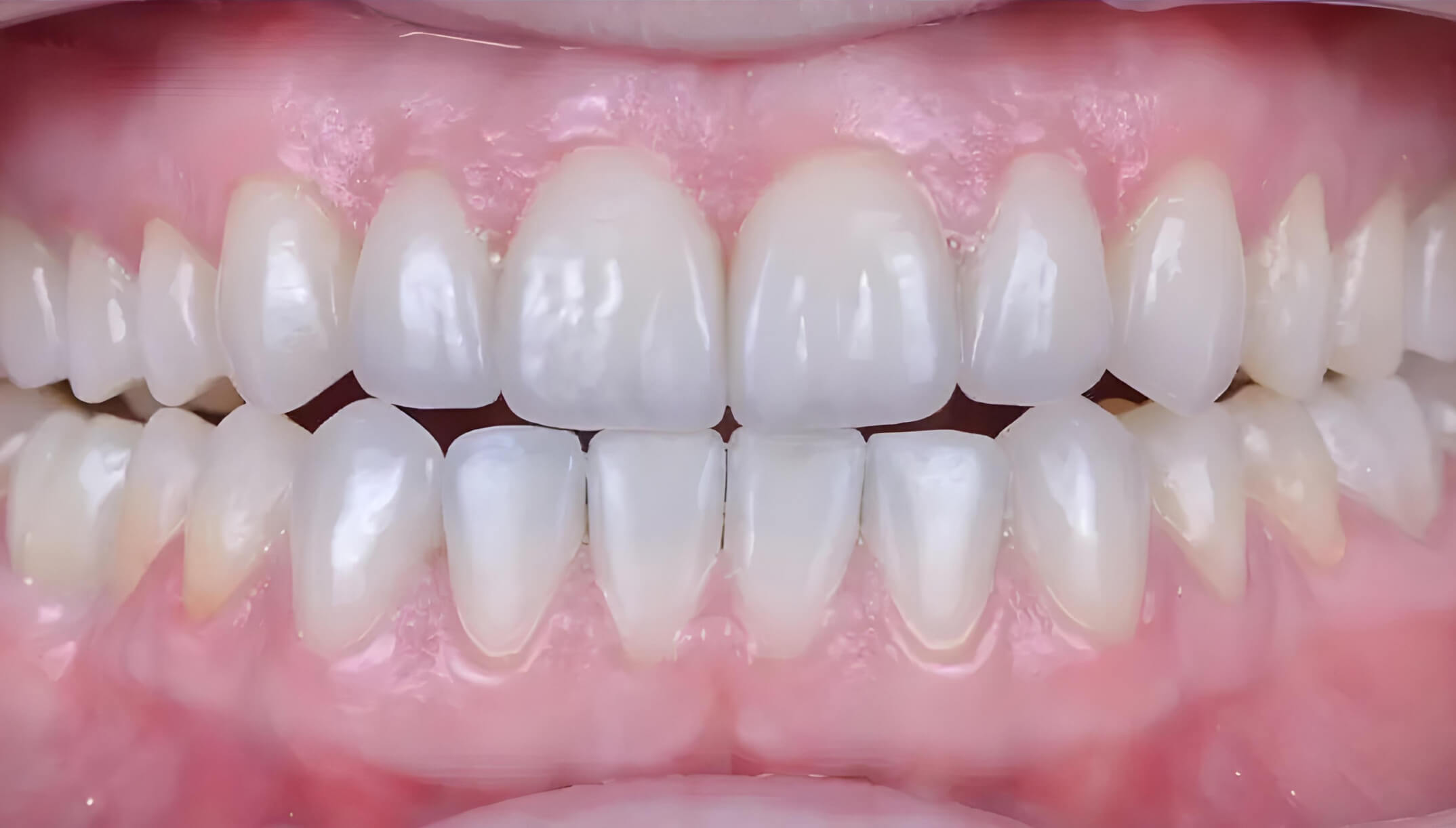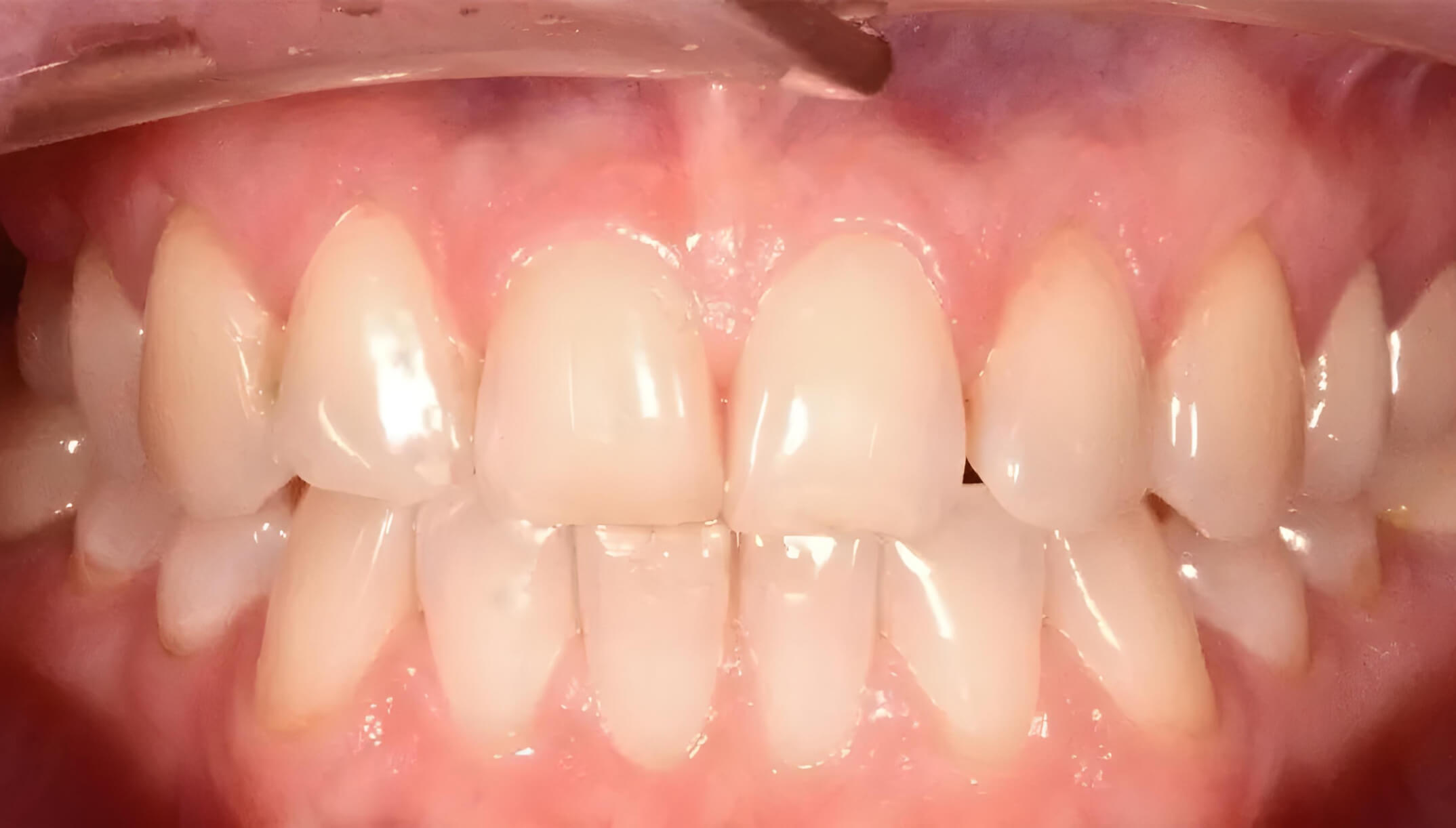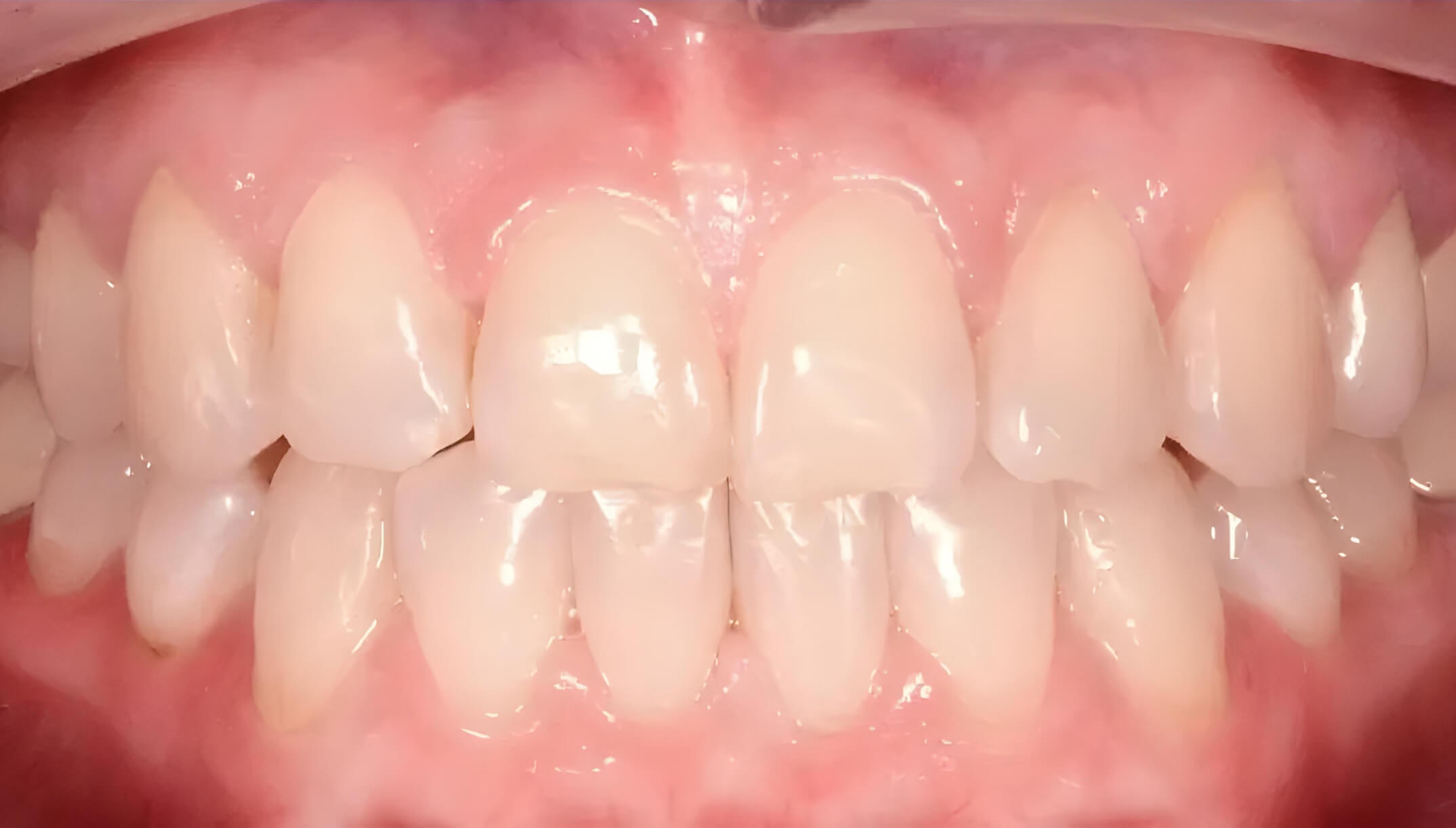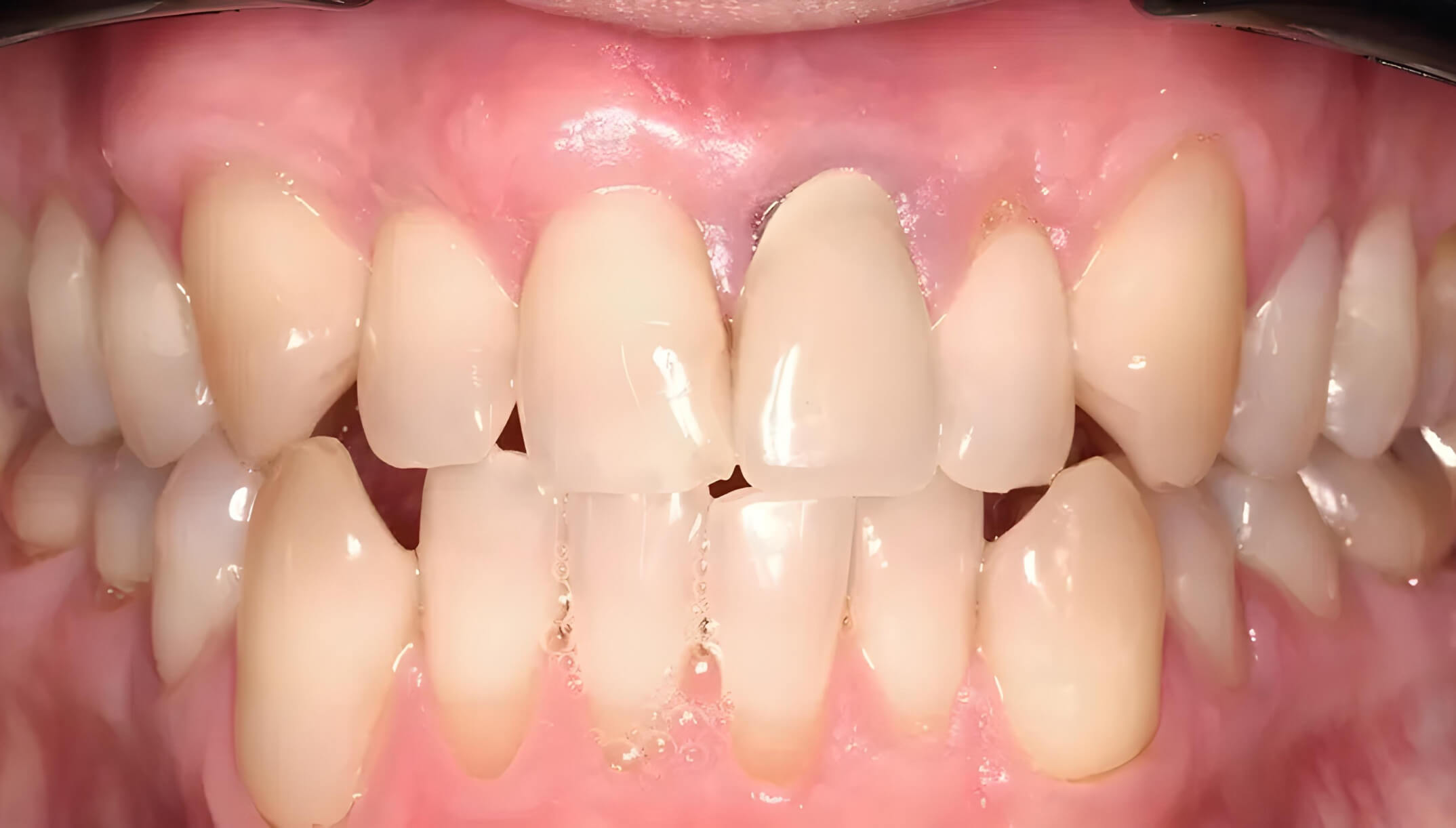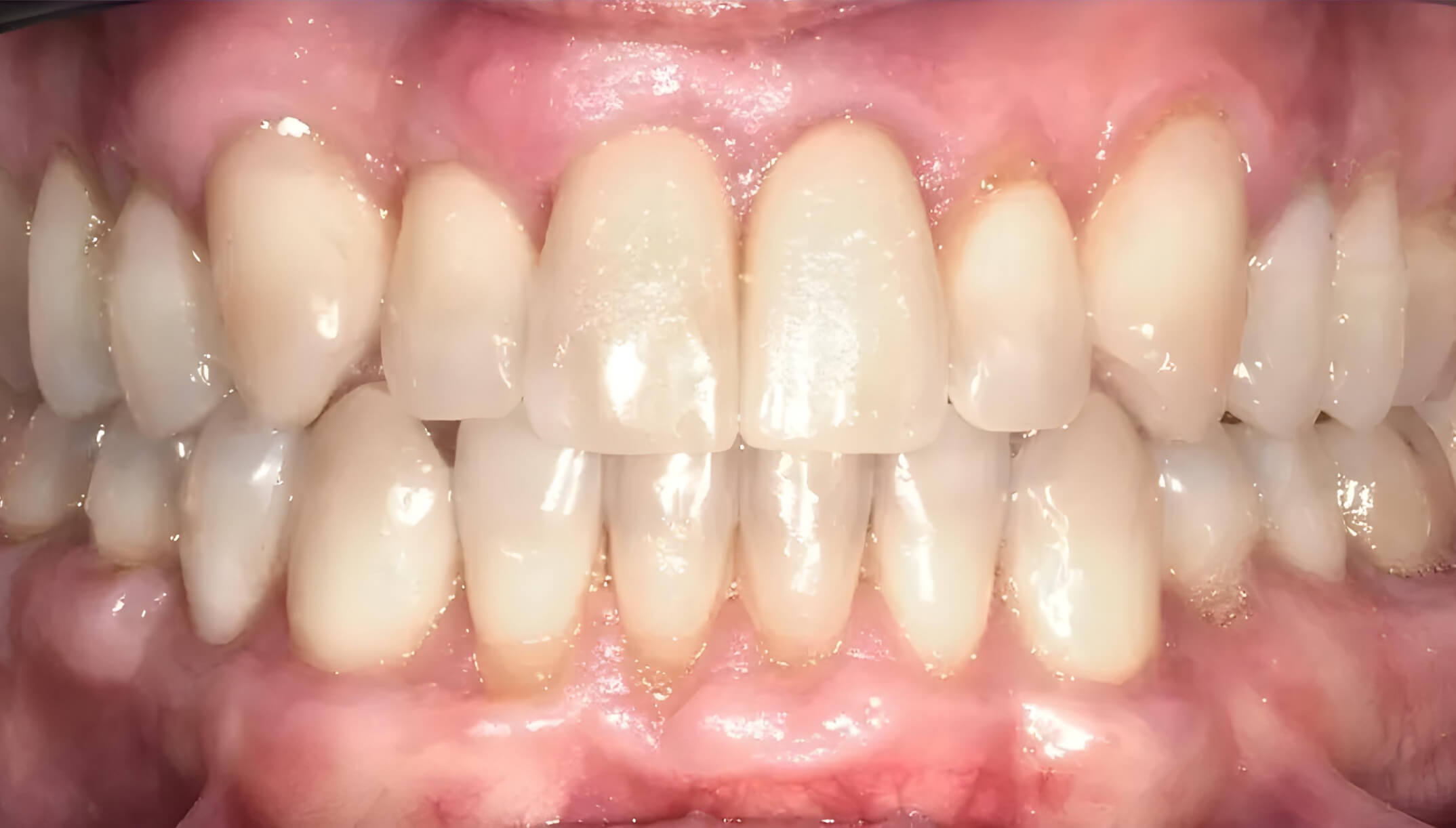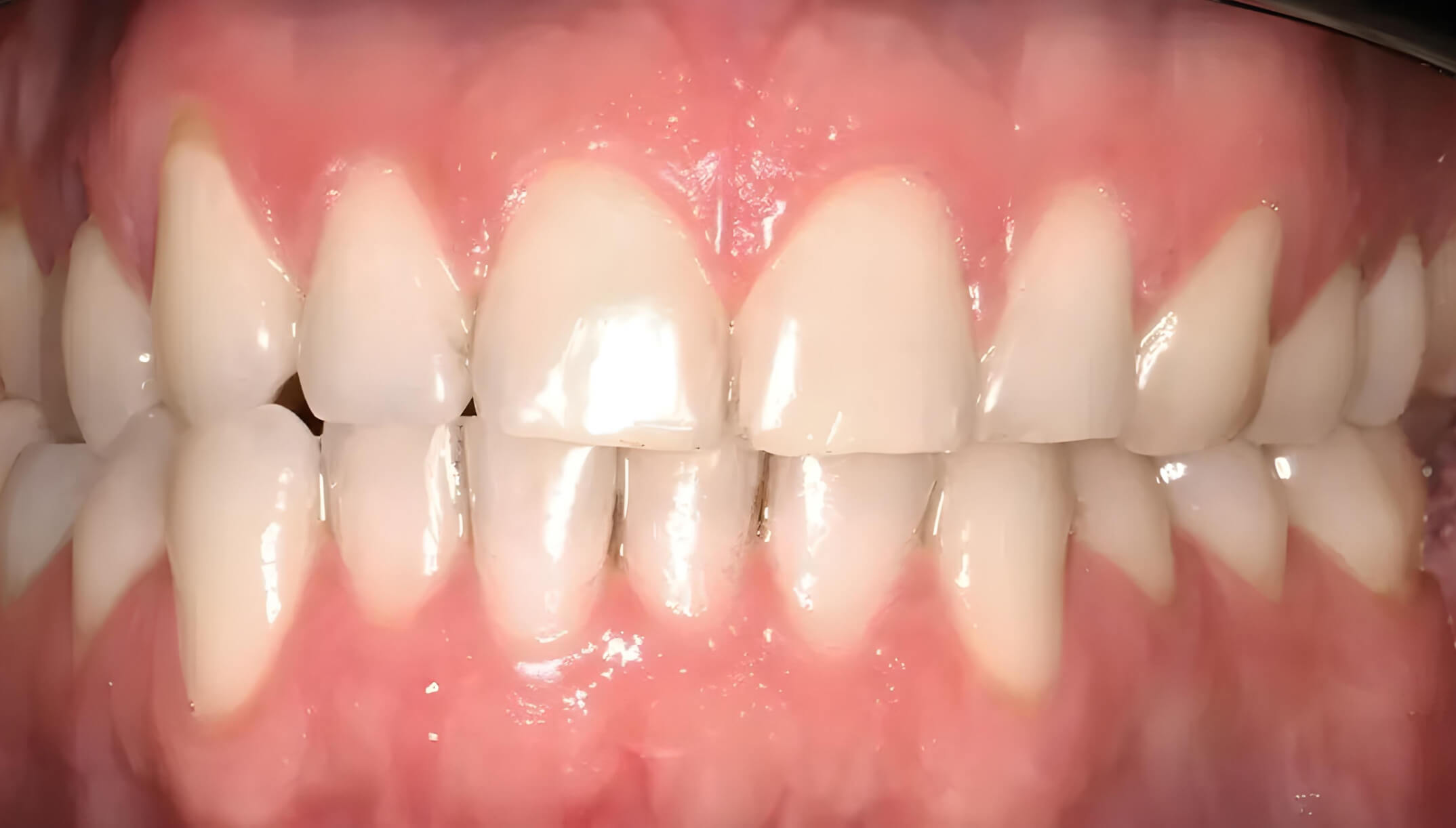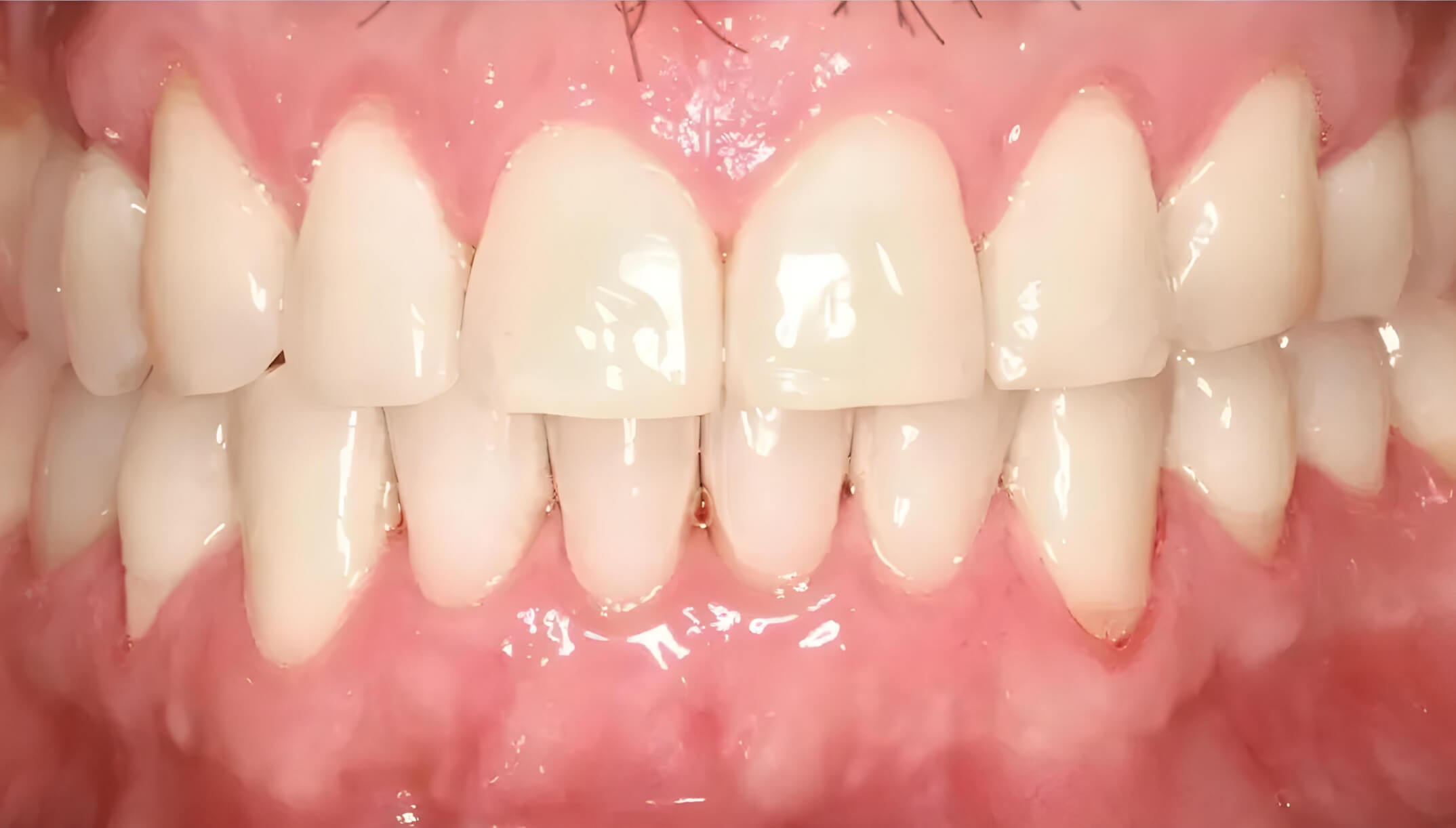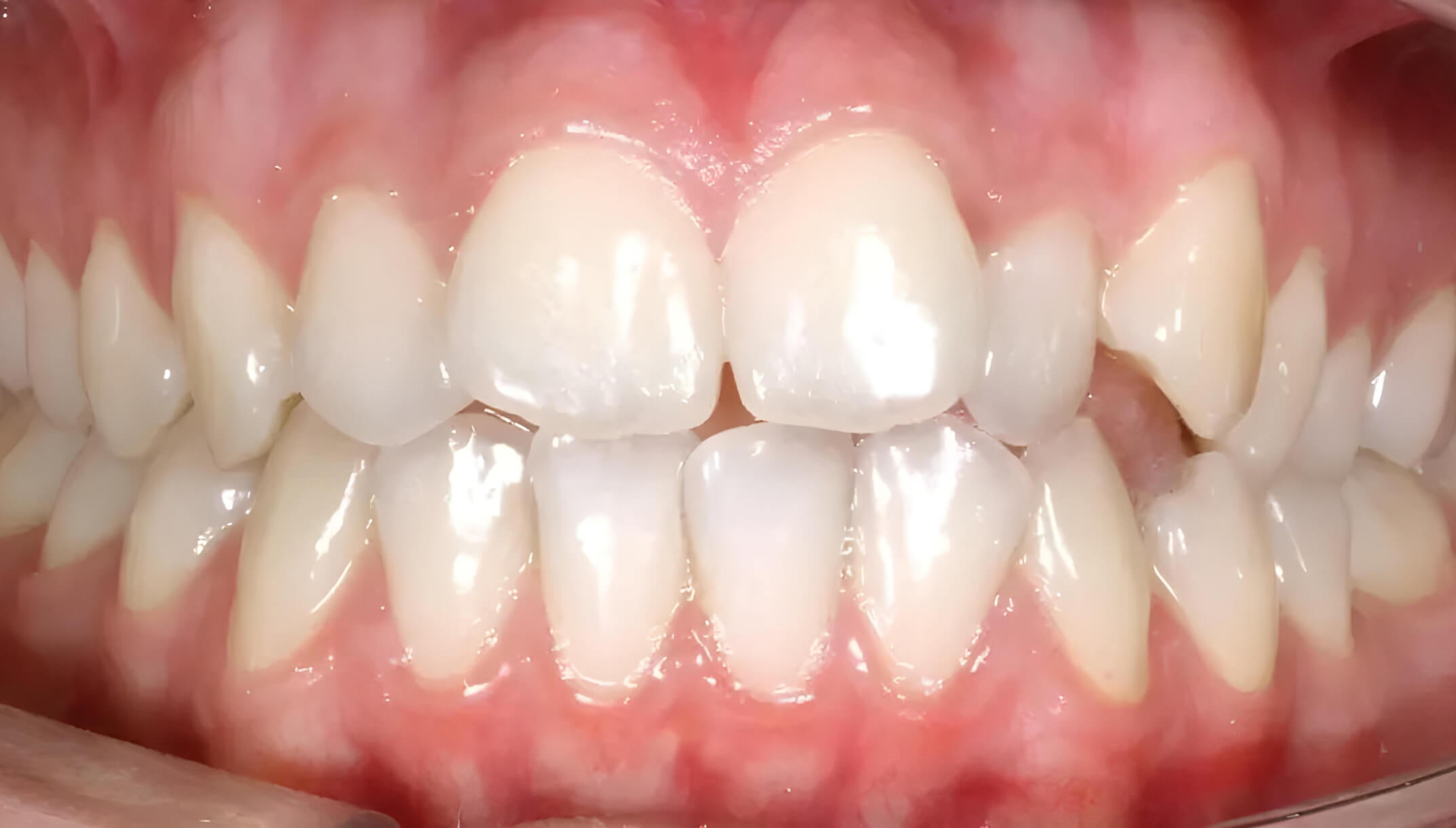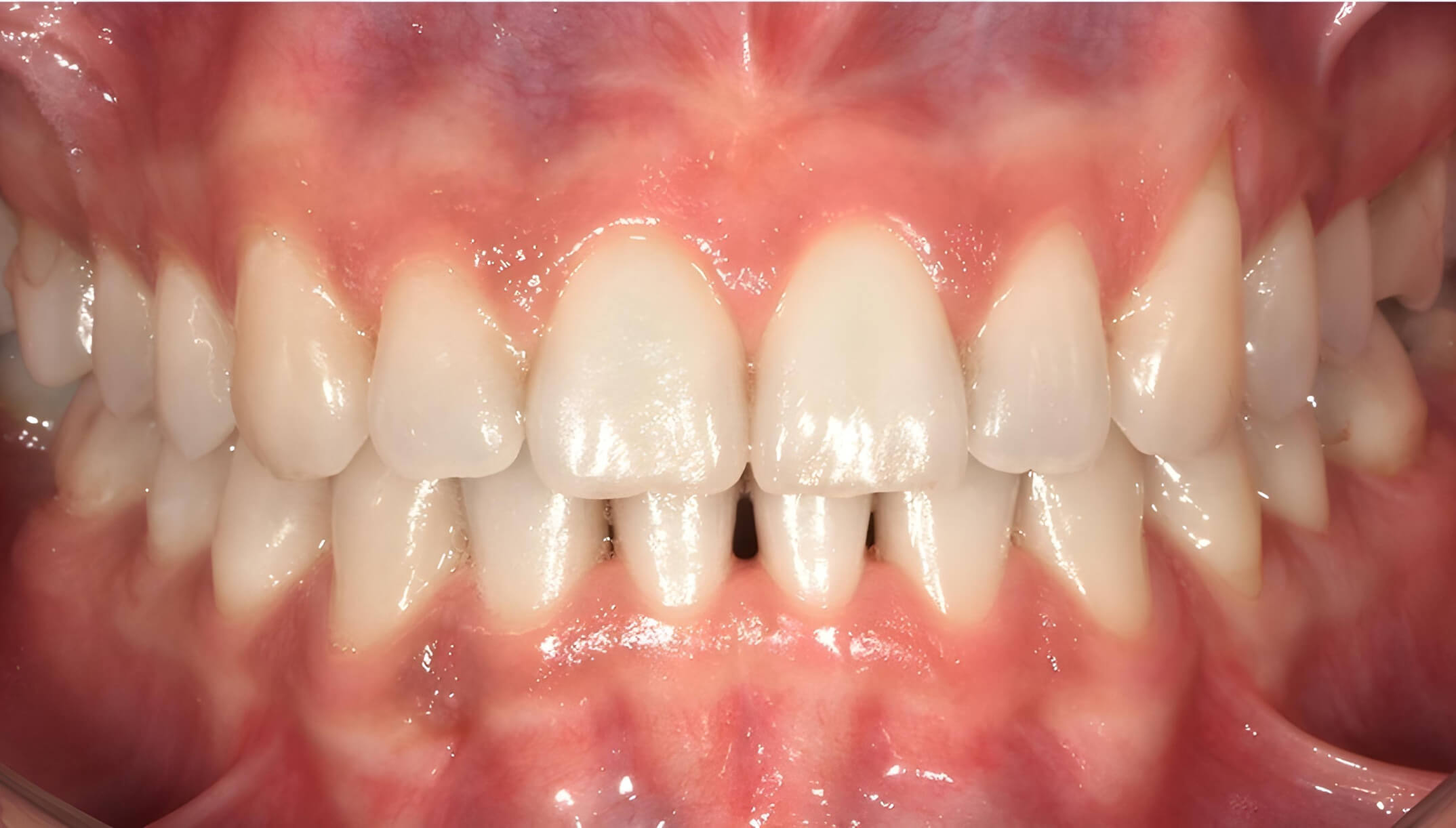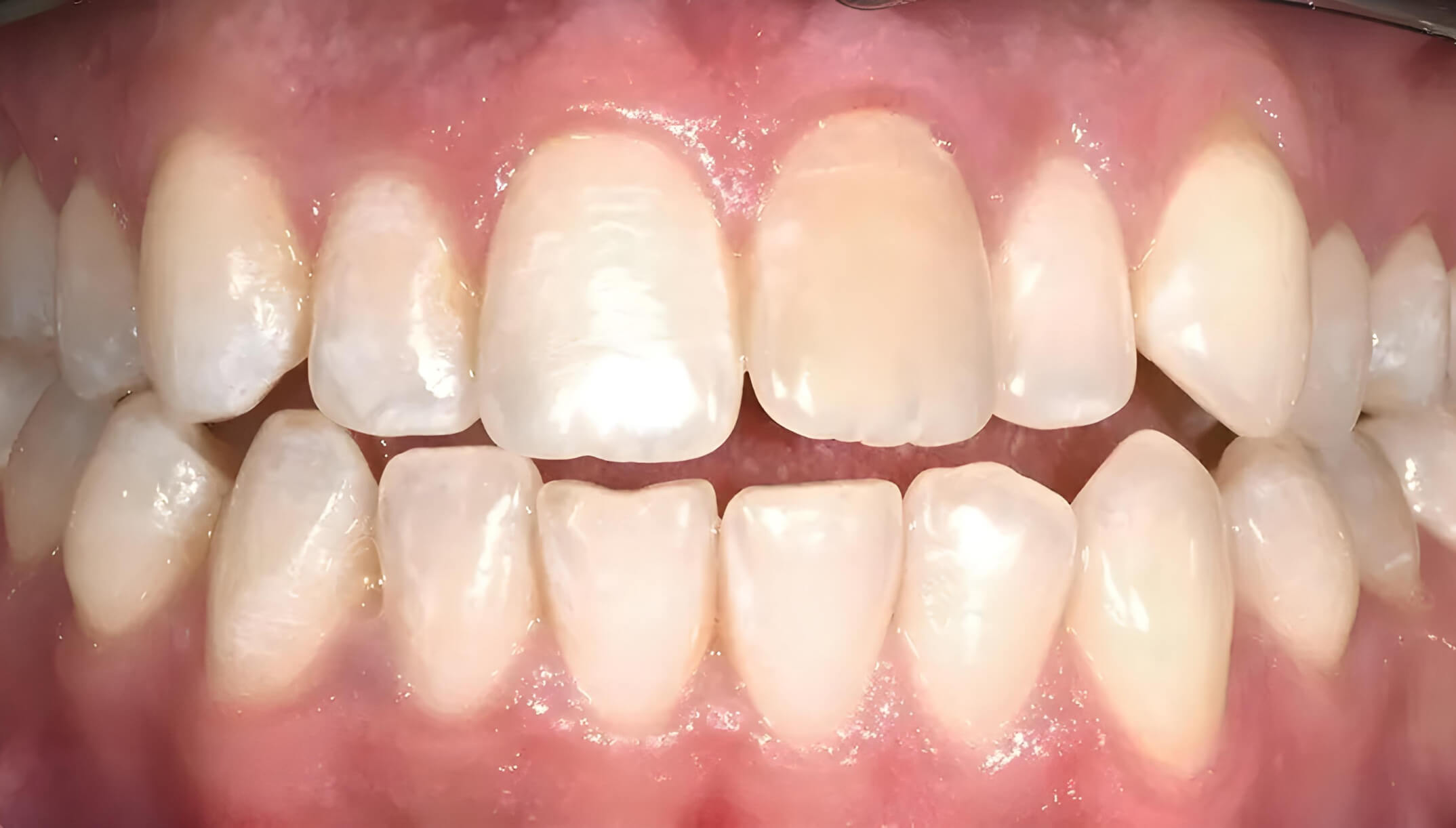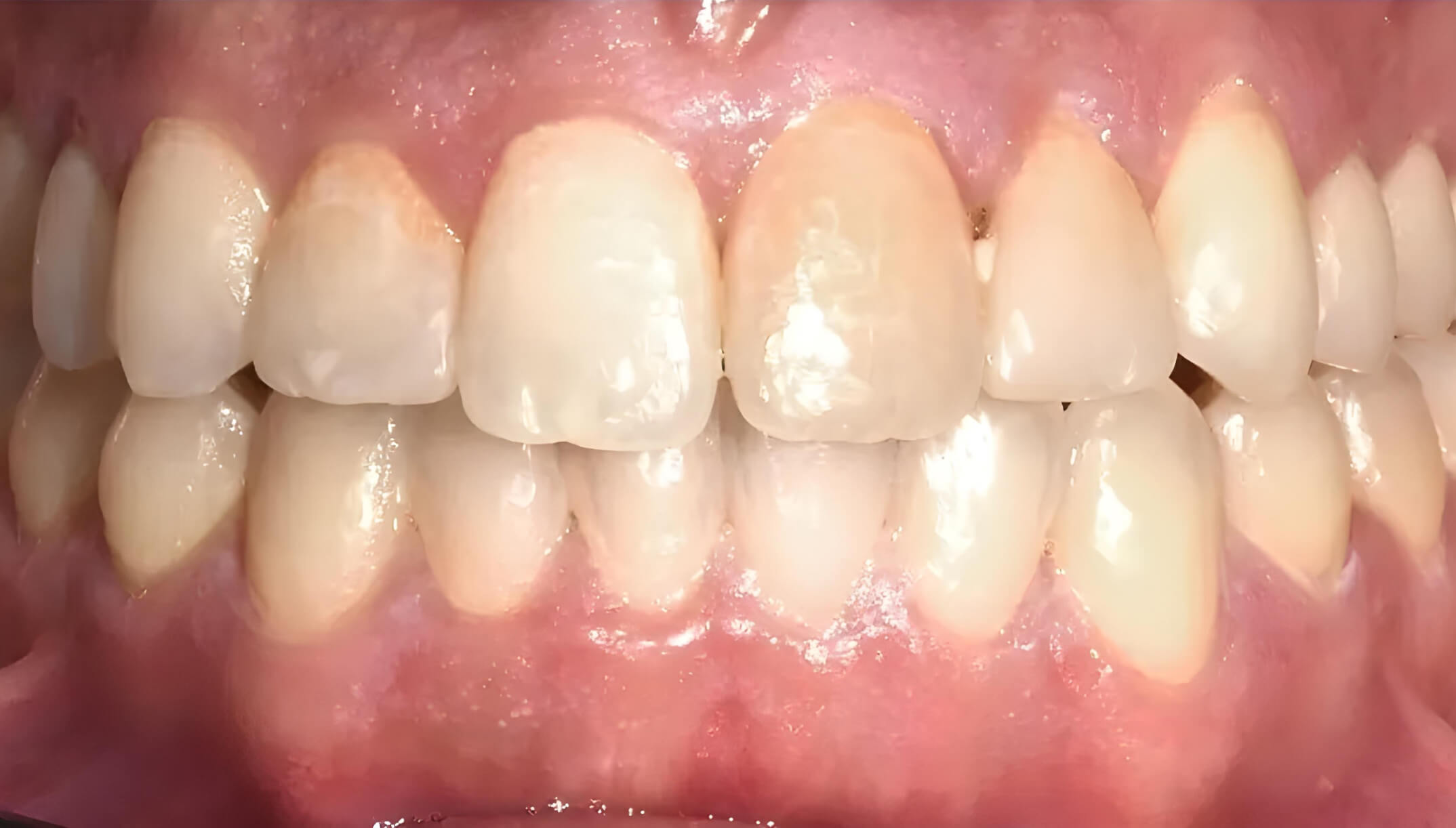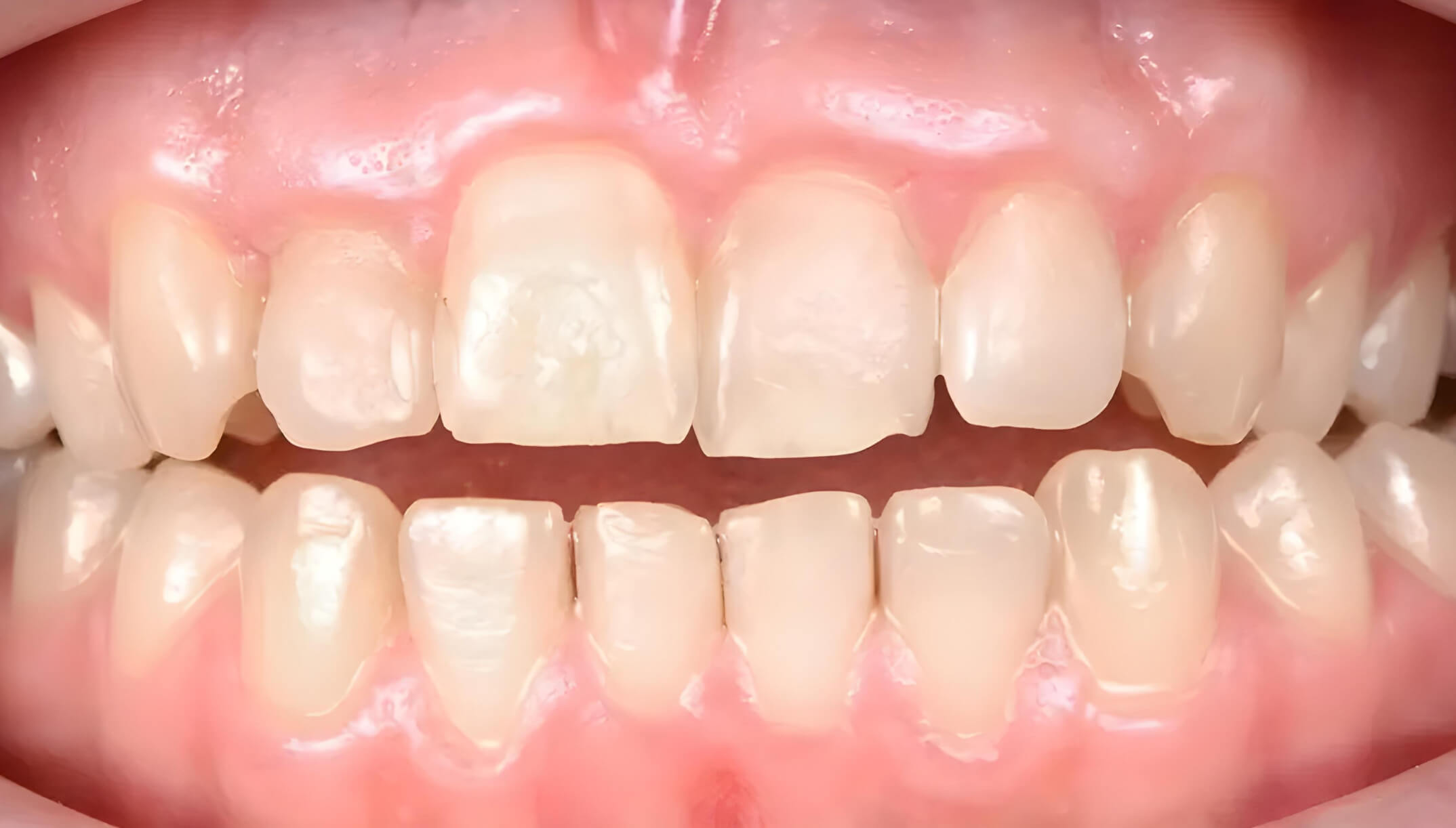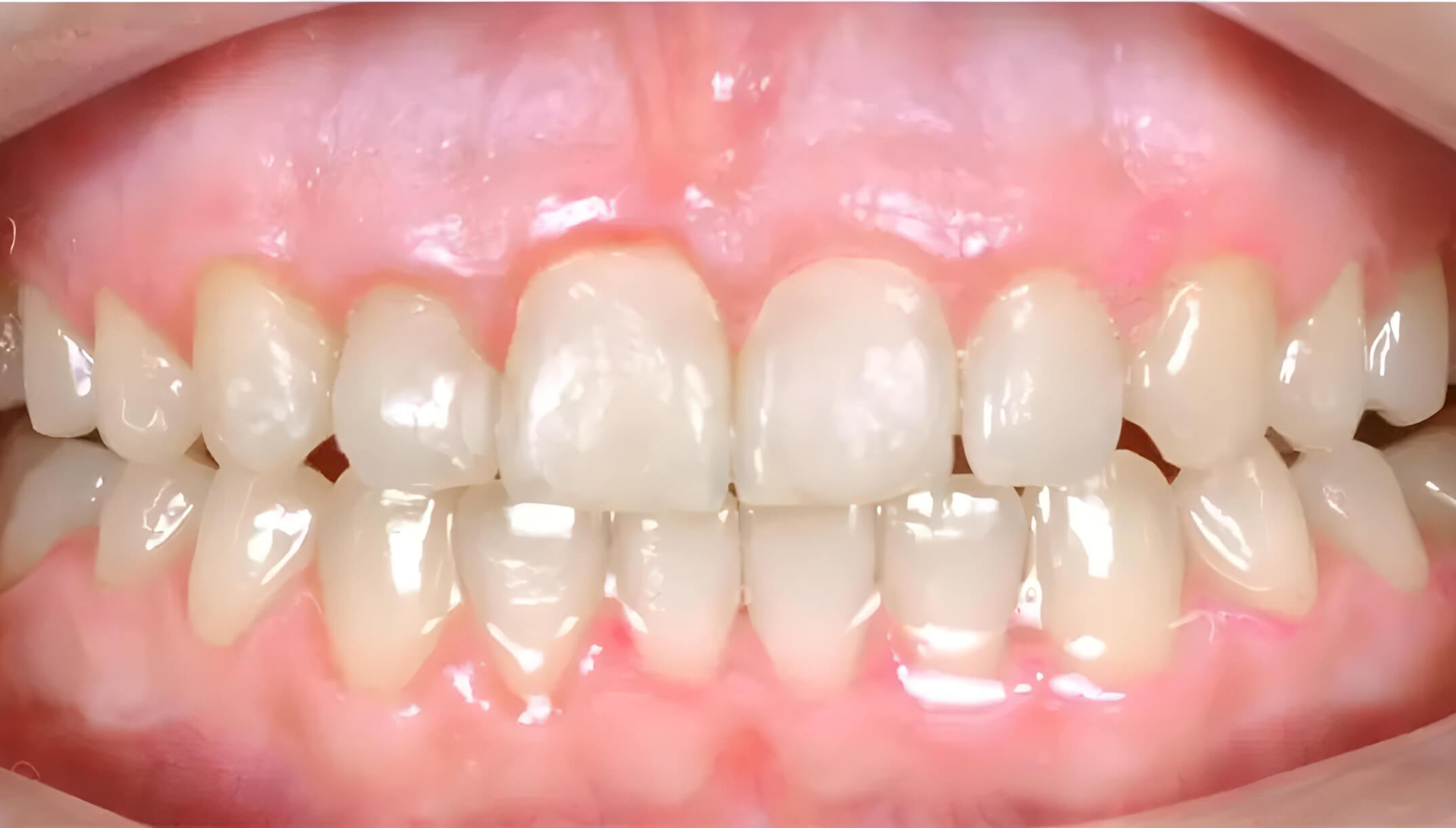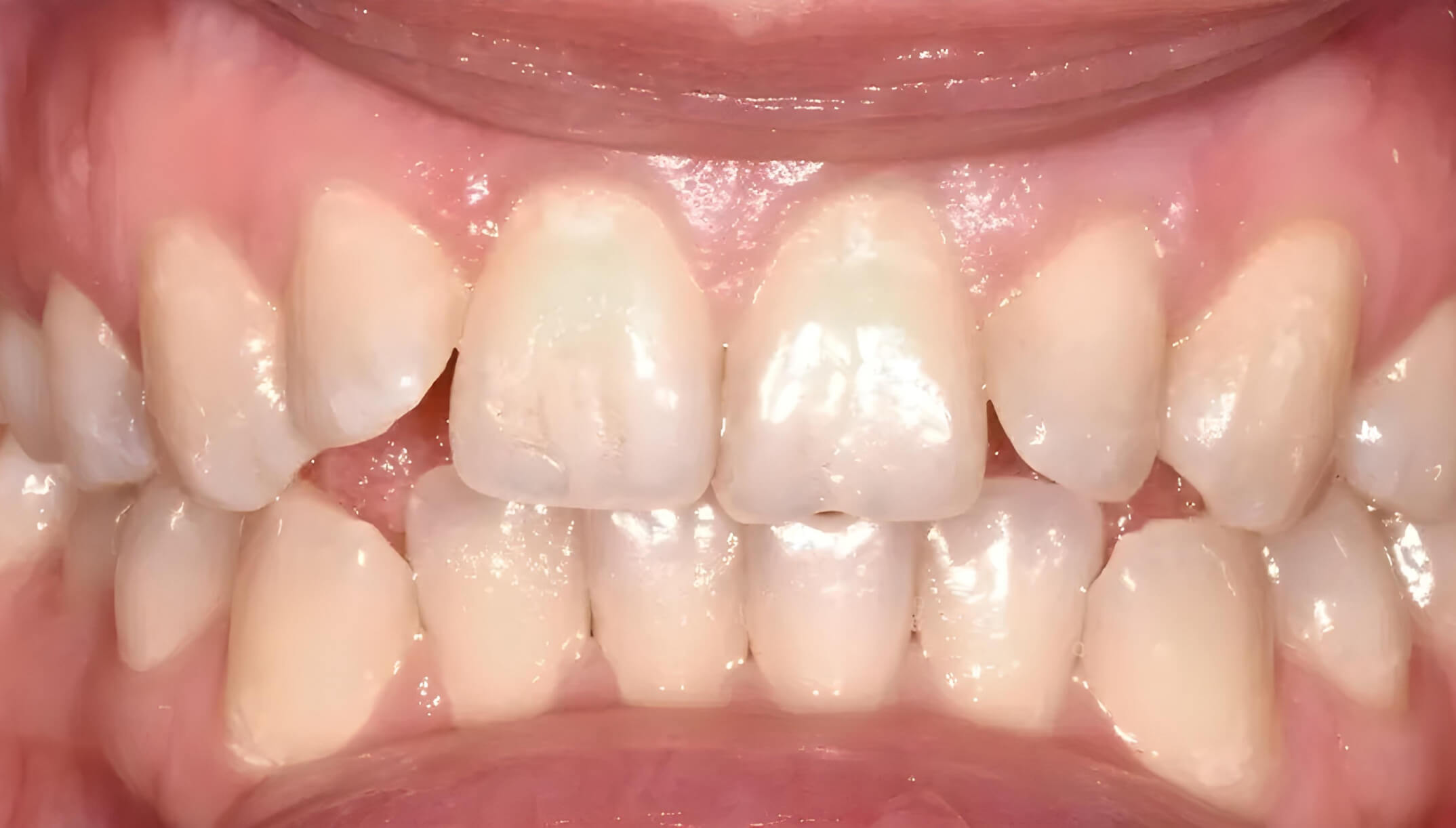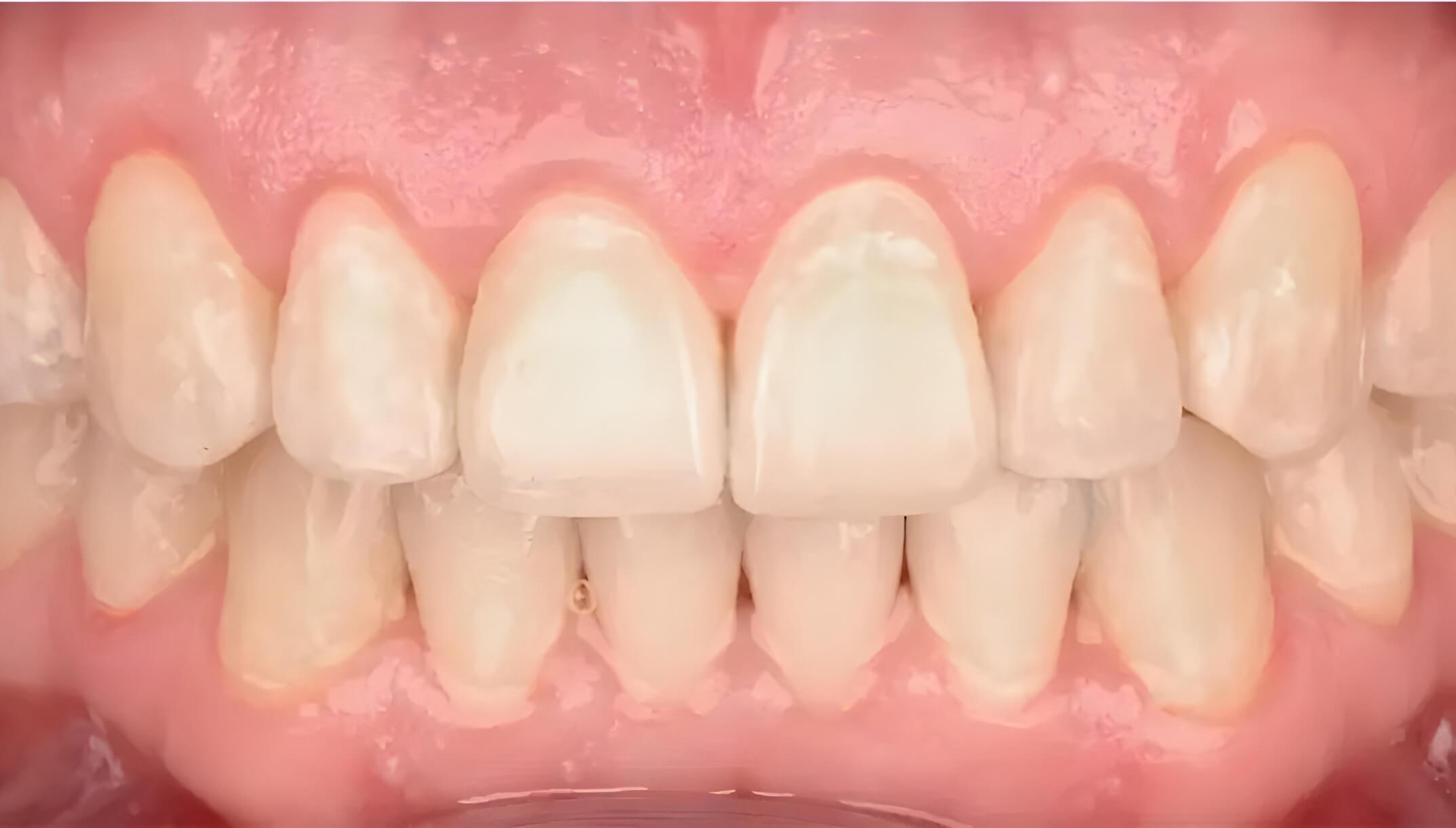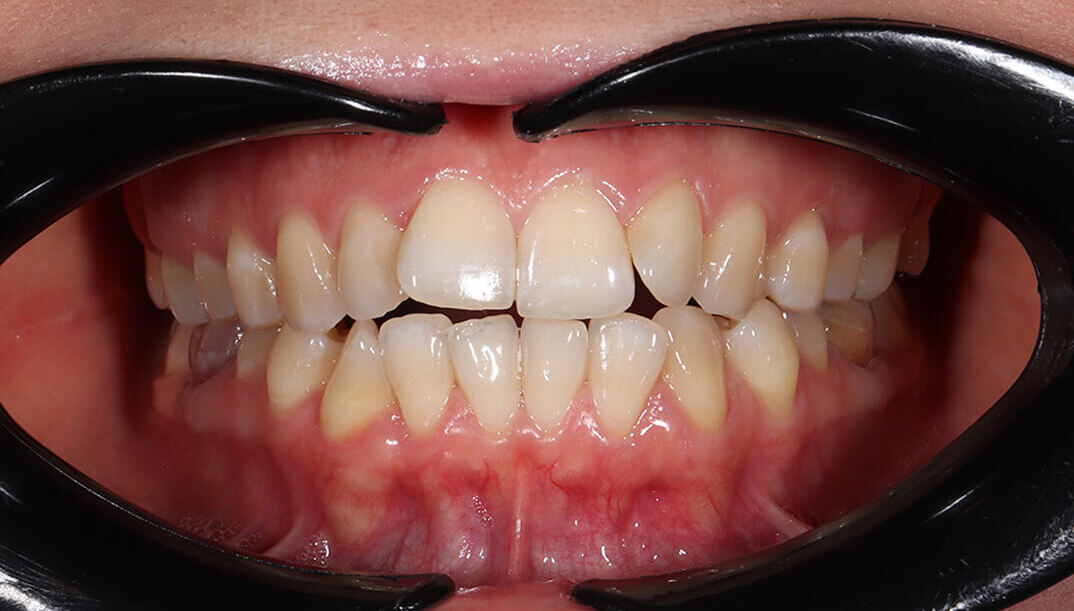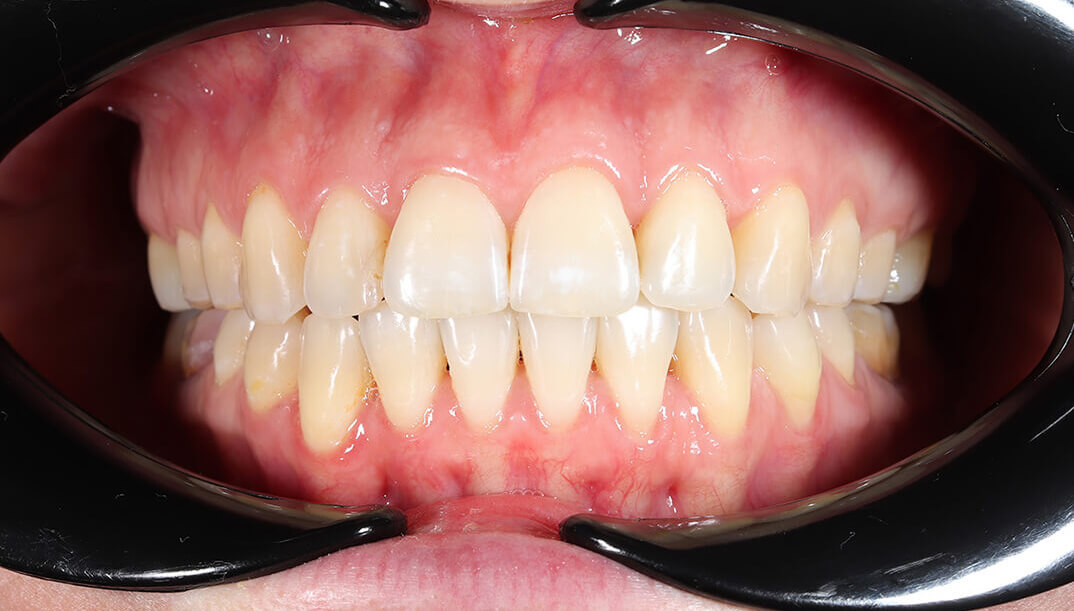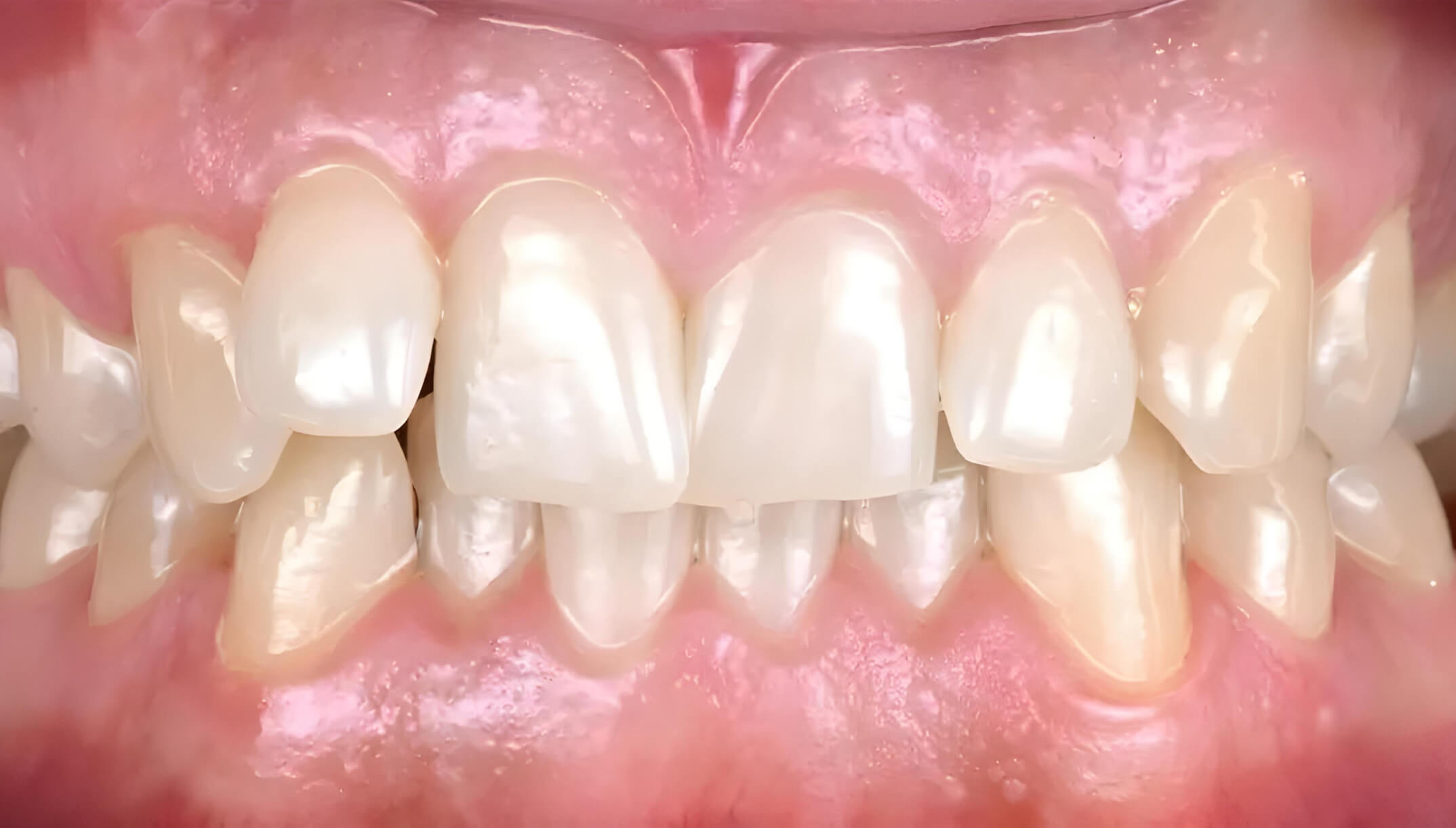
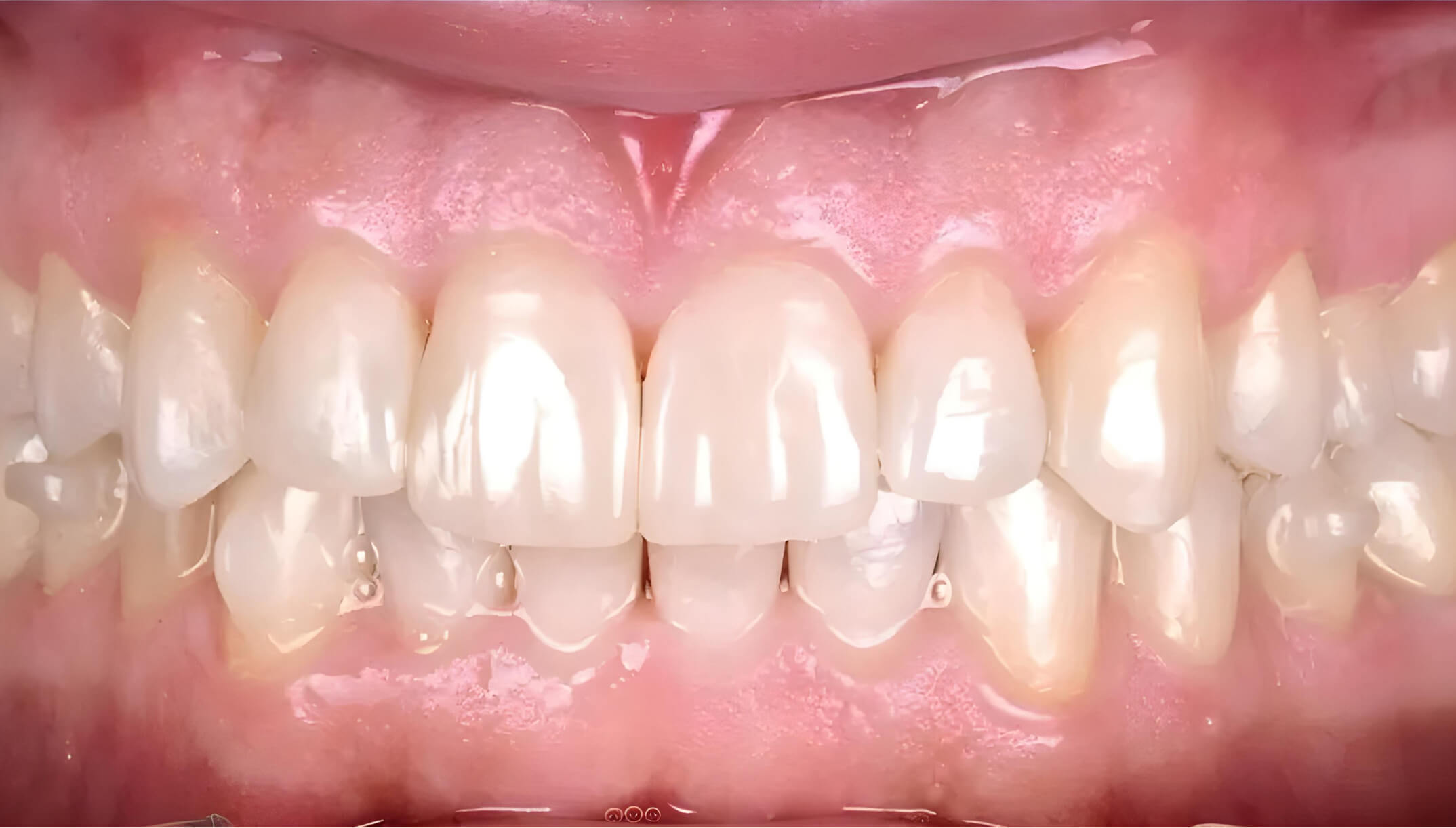
results gallery

Explore Outcomes,Case by Case

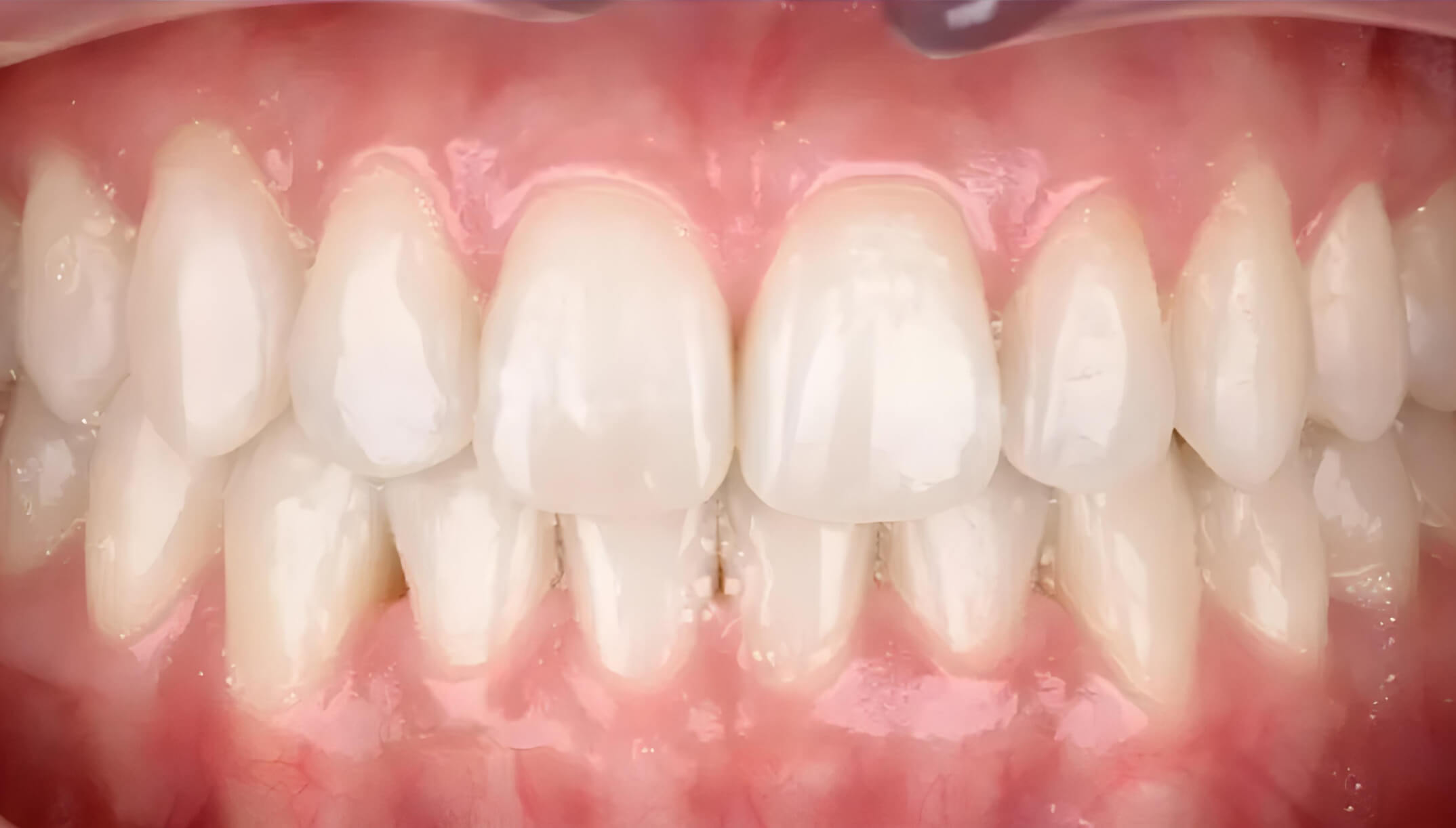
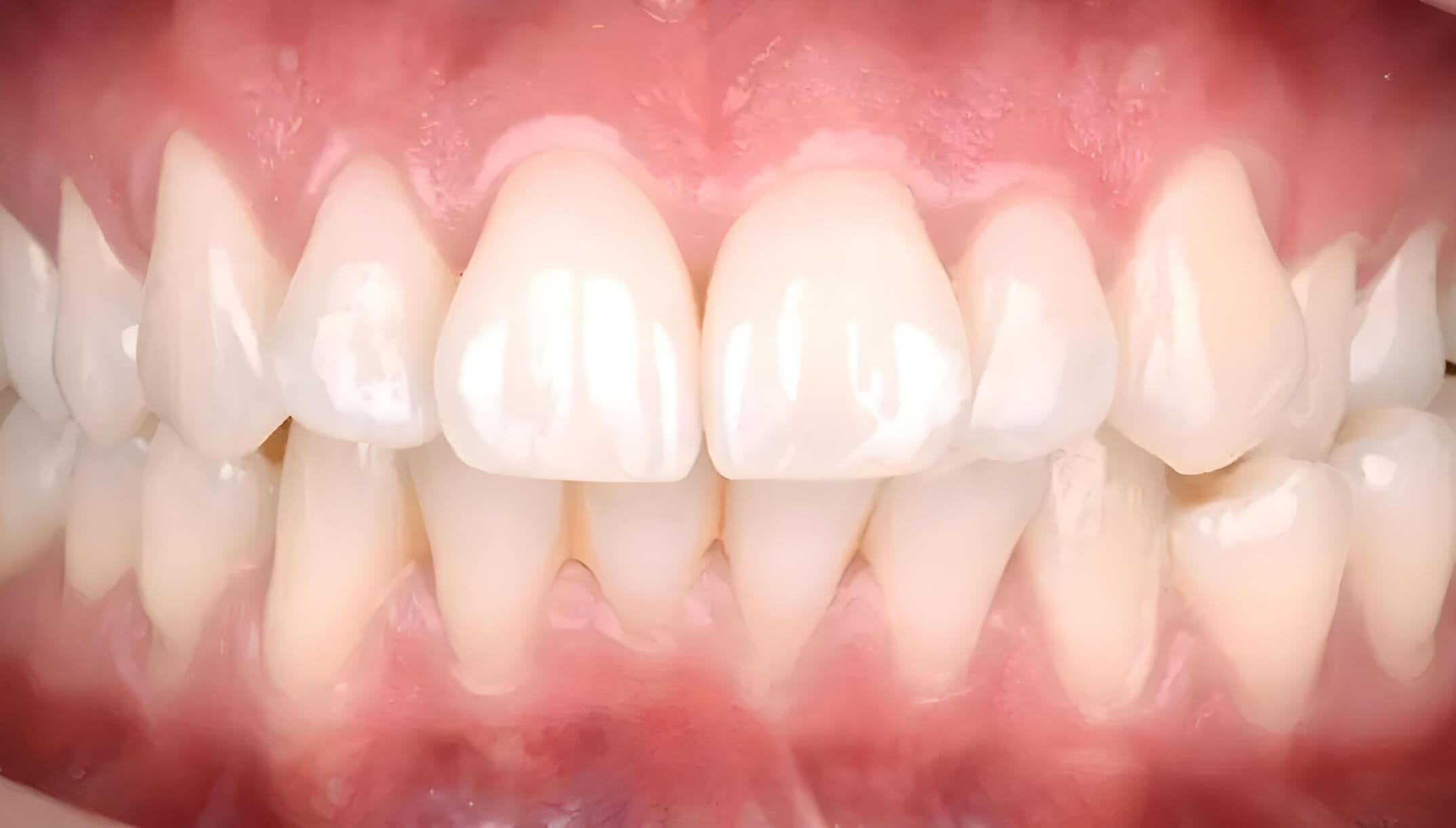
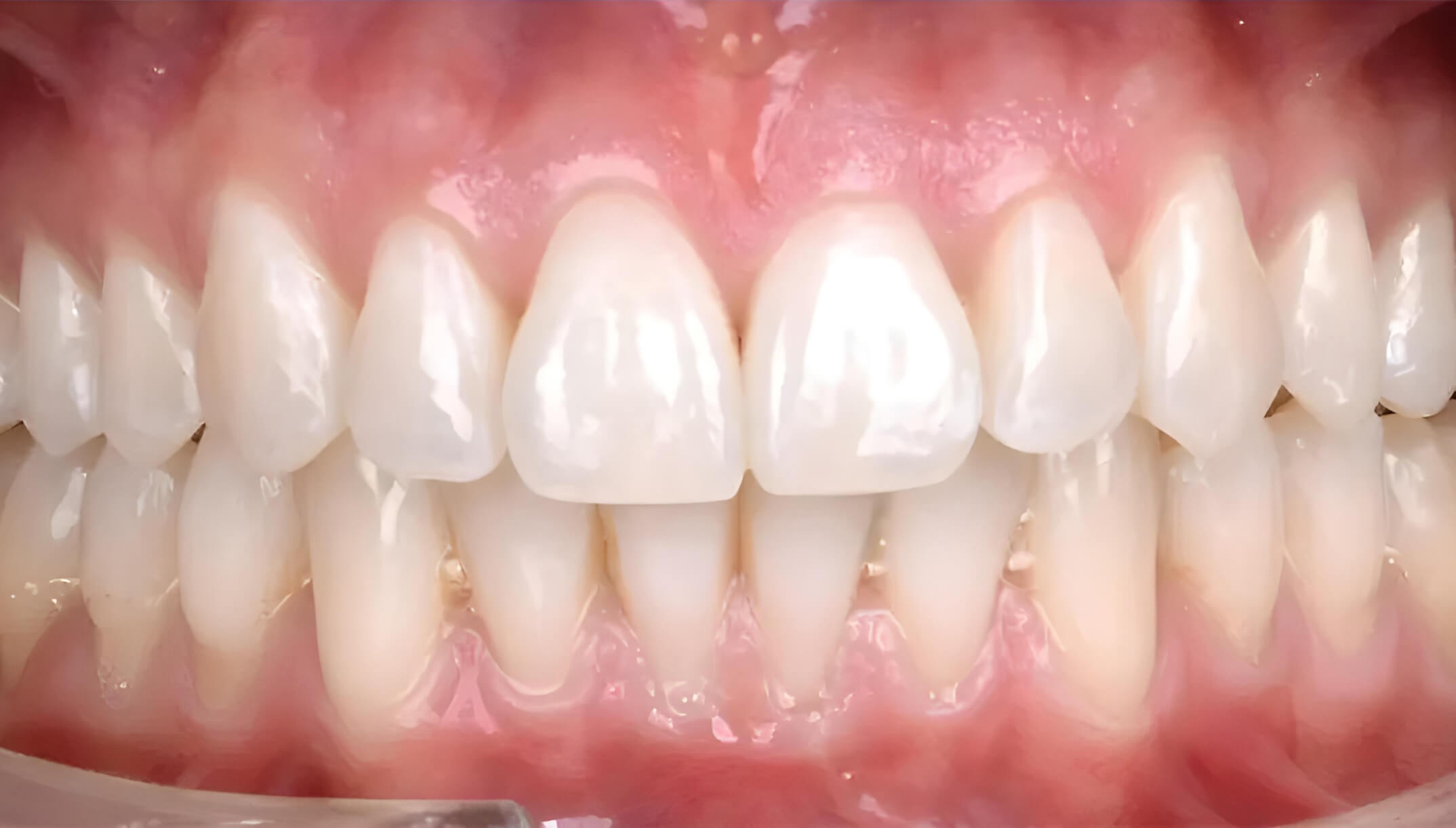
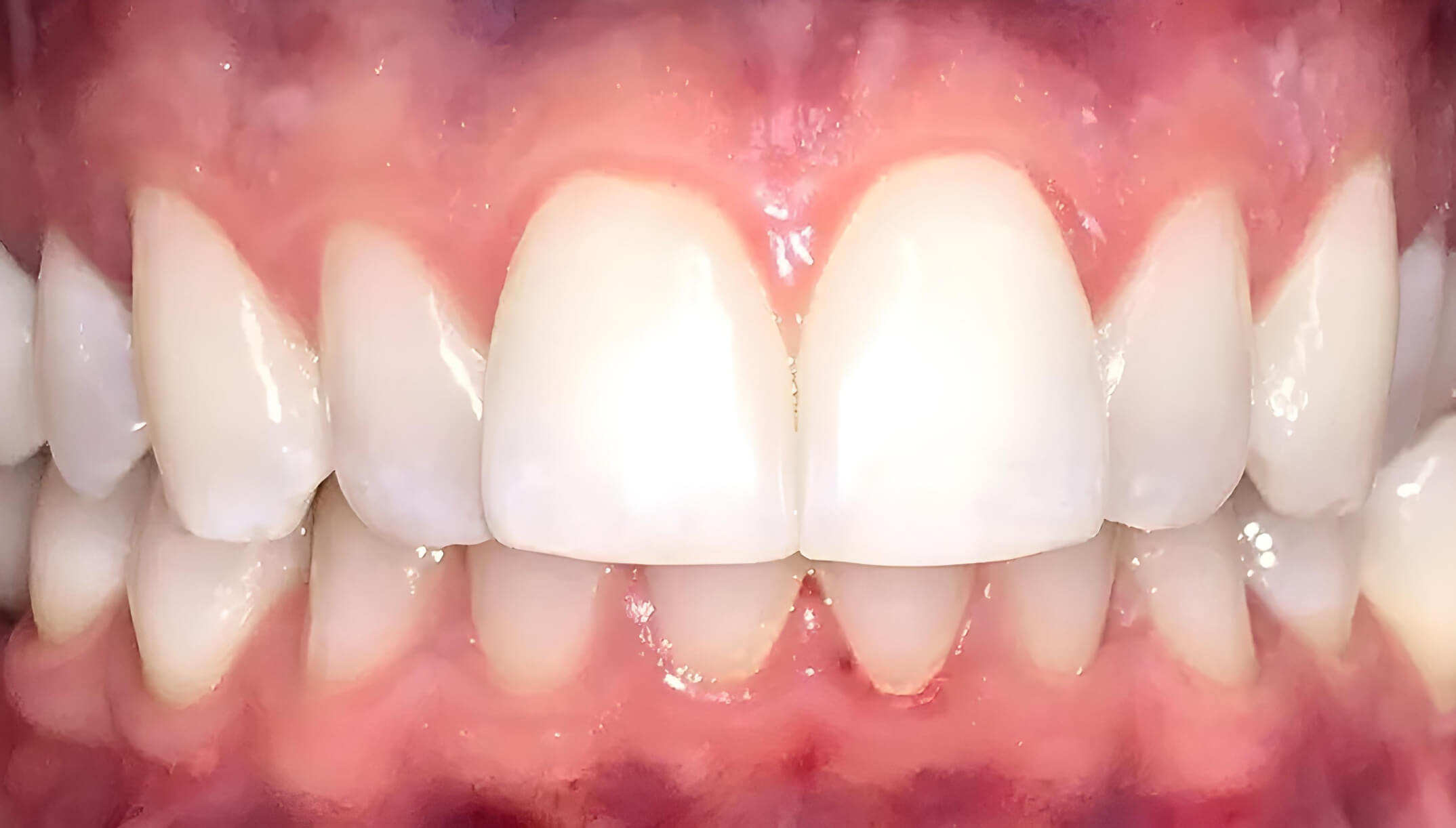
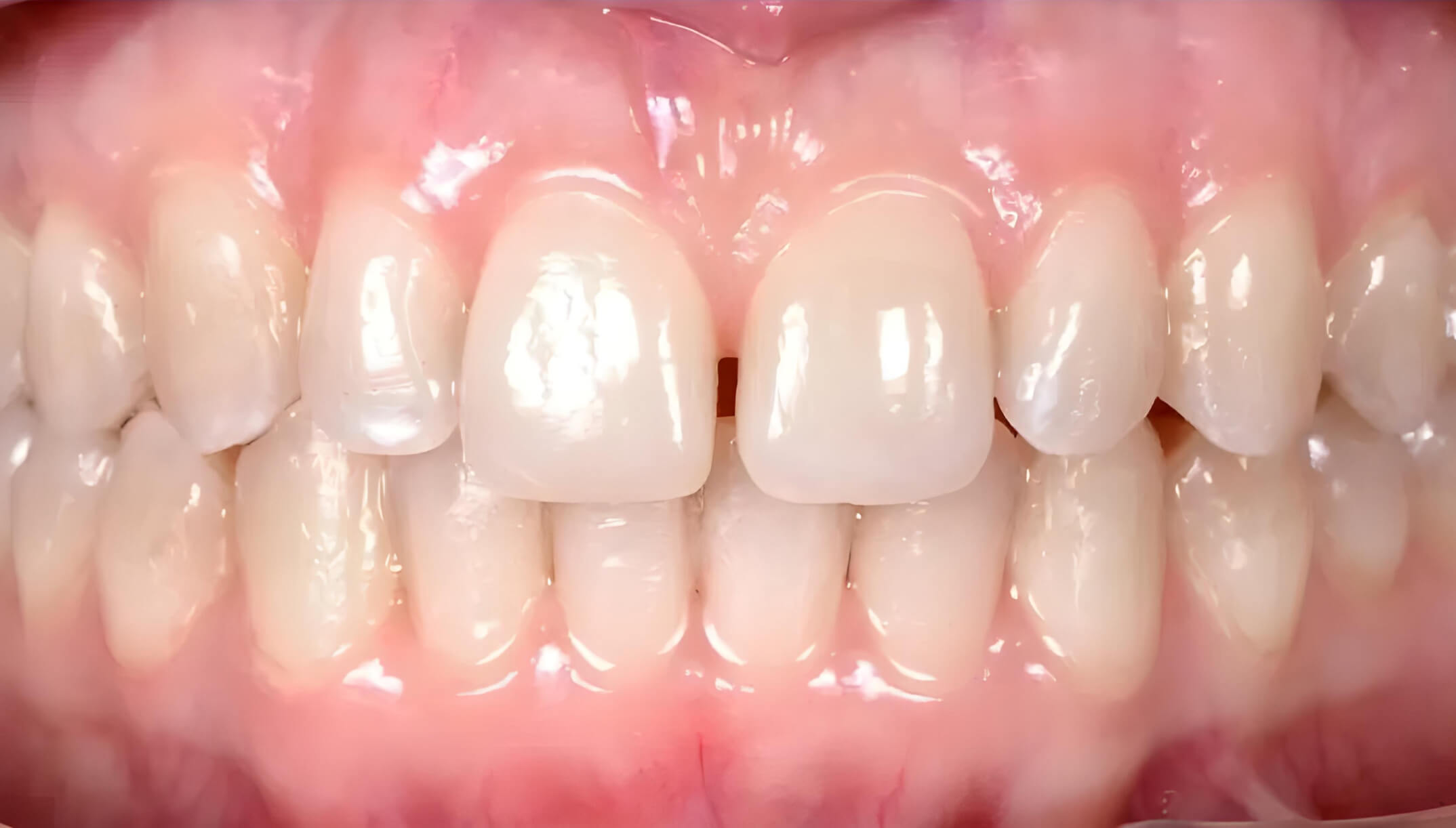
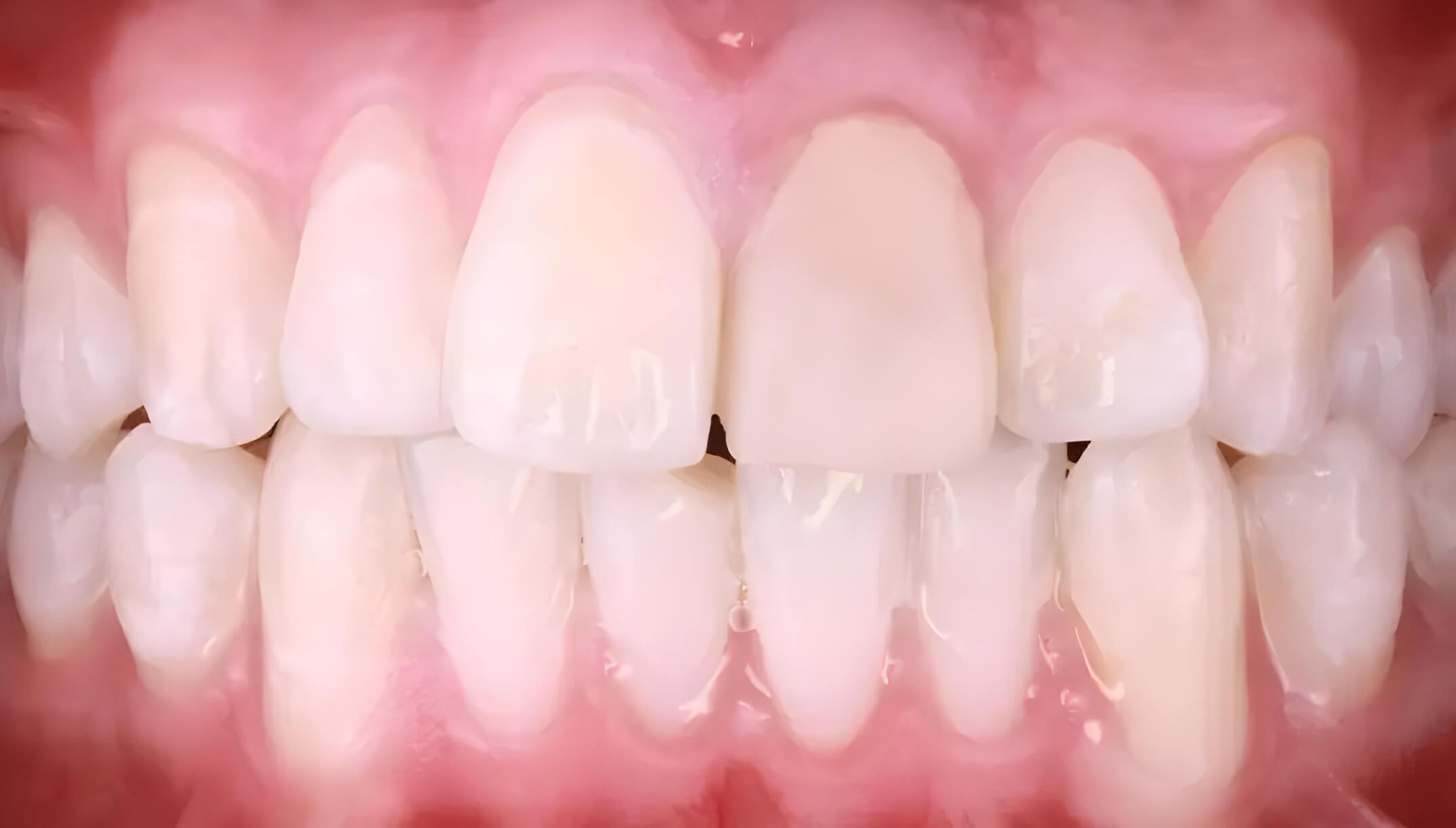
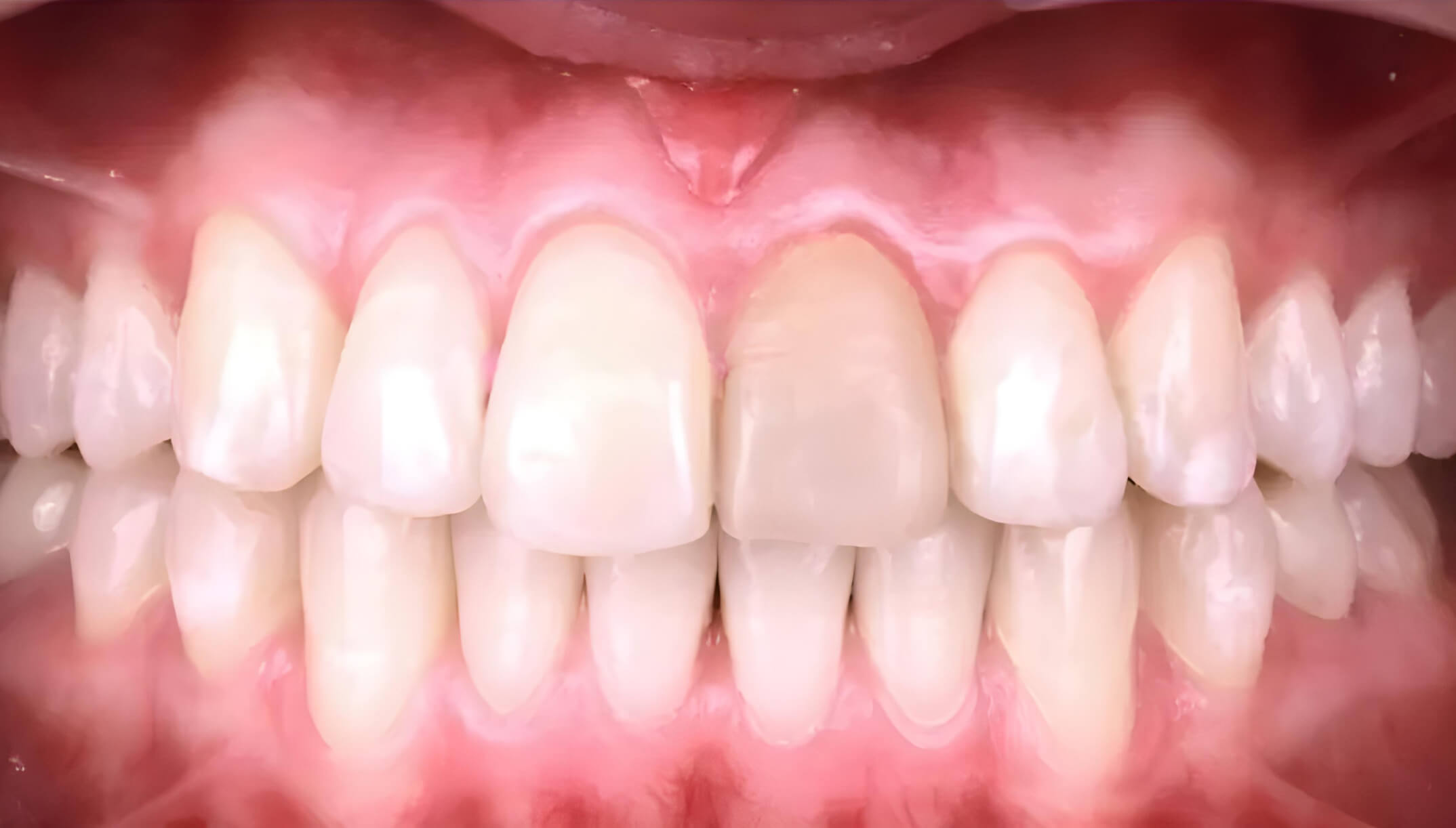
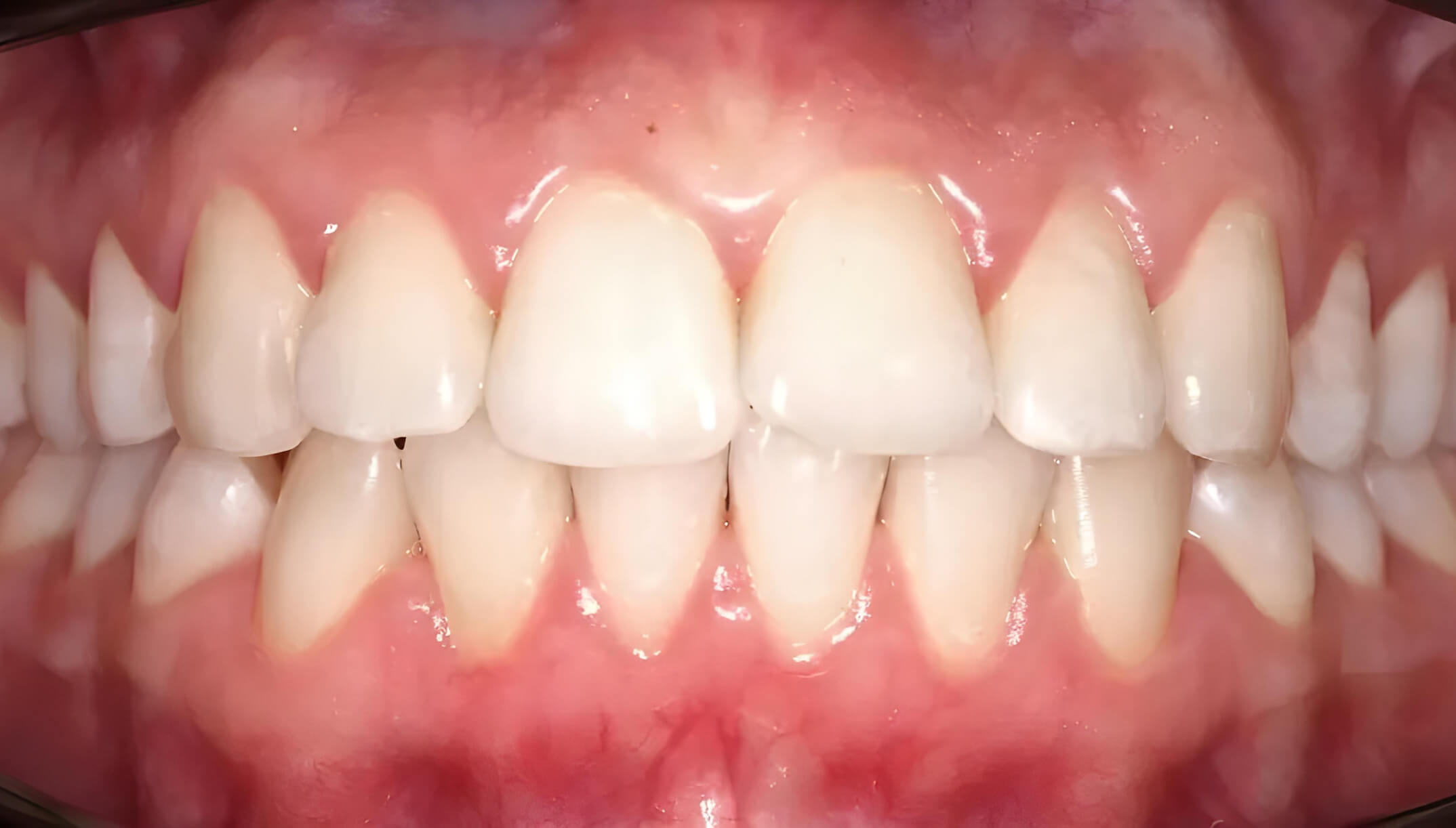
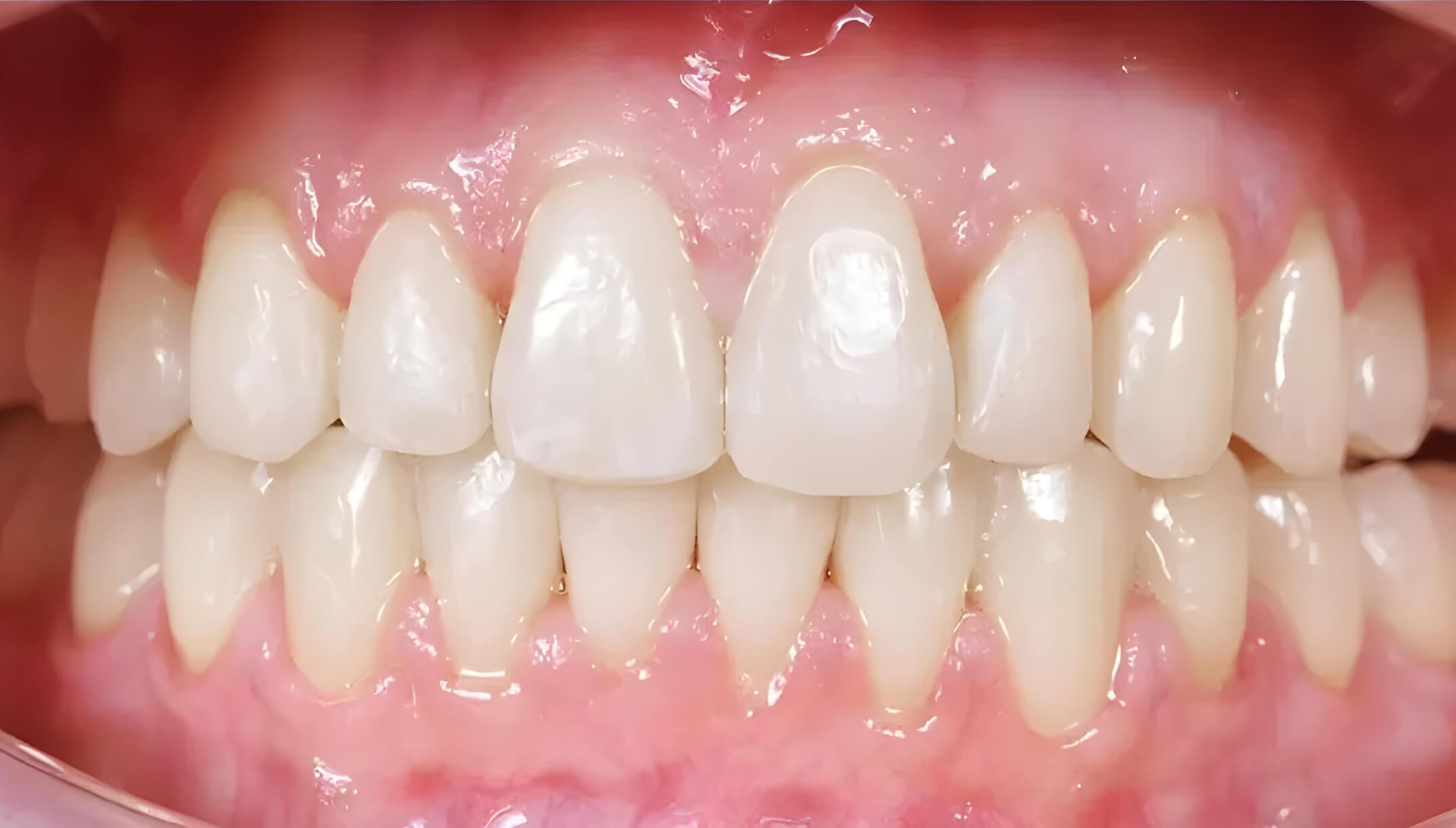
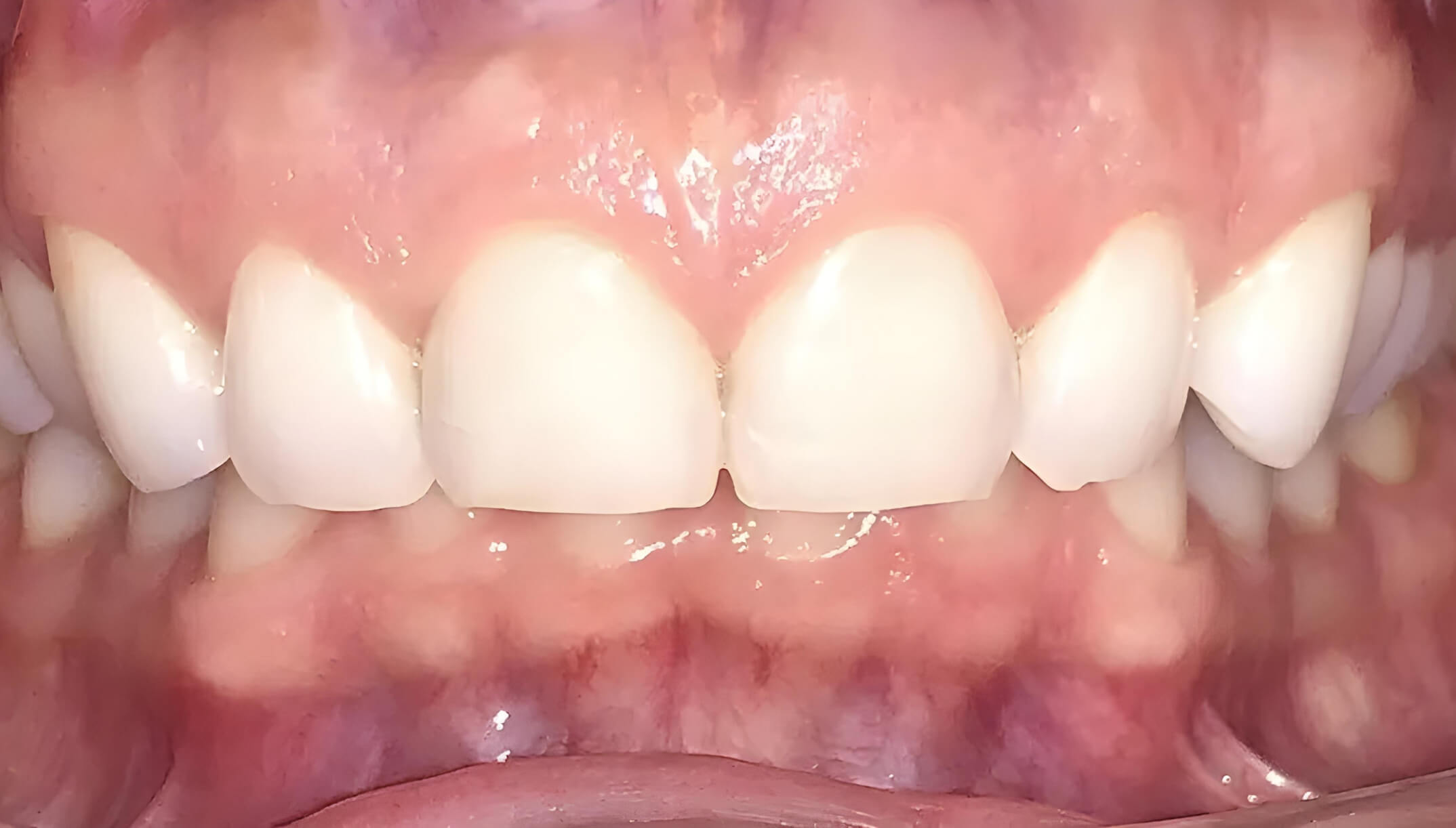
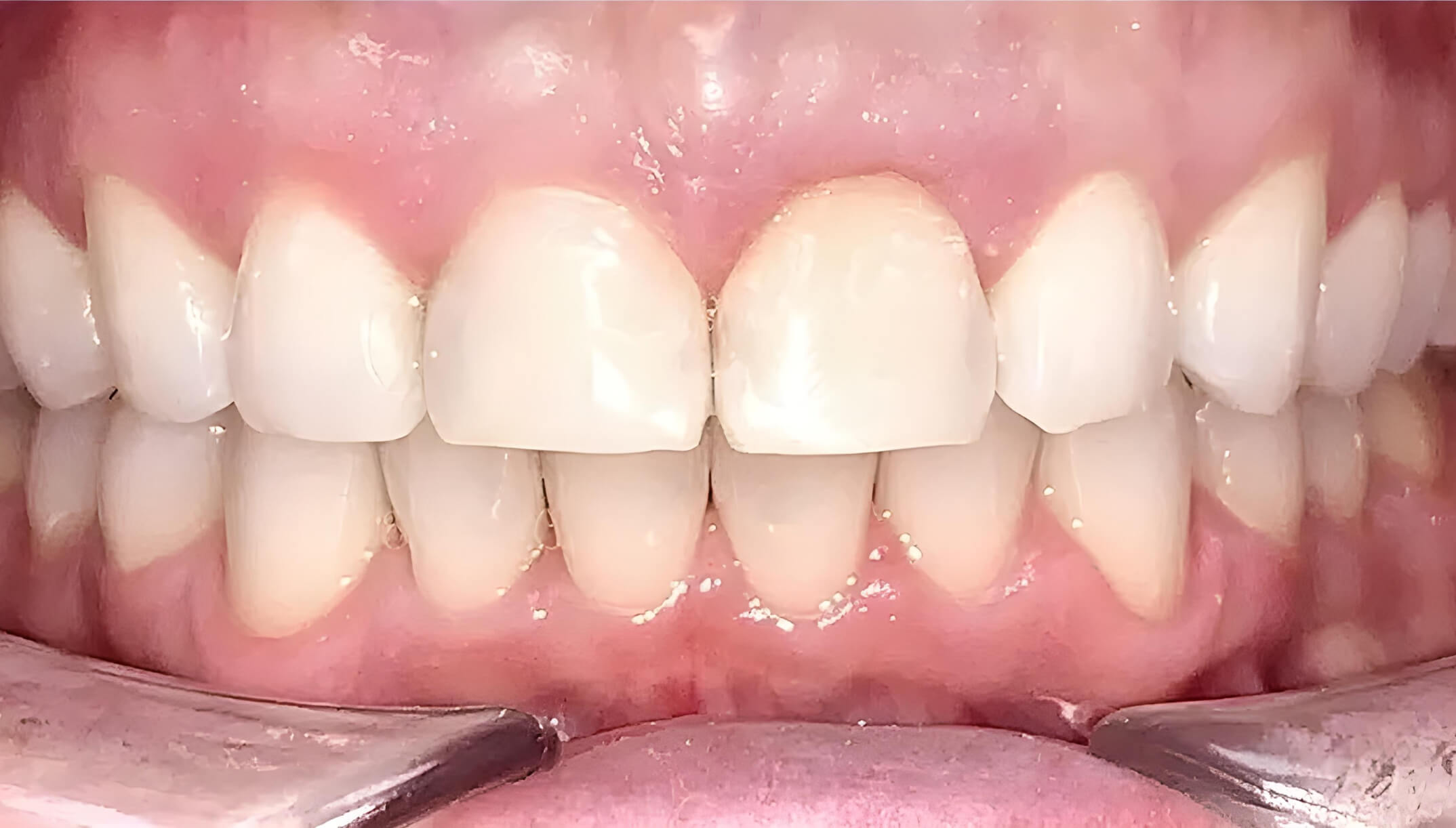
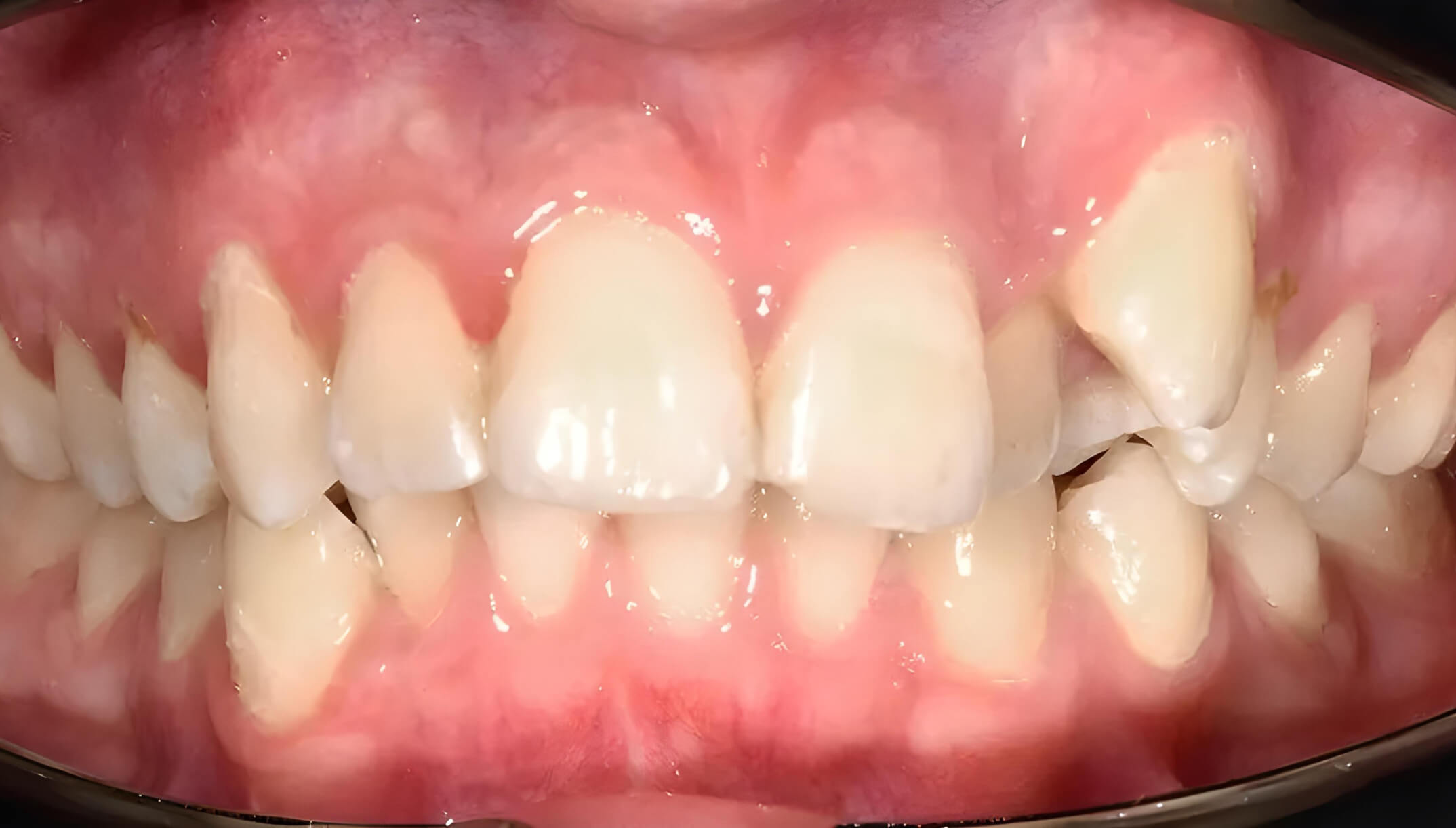
Browse a growing archive of completed Flex Align cases, organized by condition type. Filter by category to see how treatment plans handle specific alignment challenges.

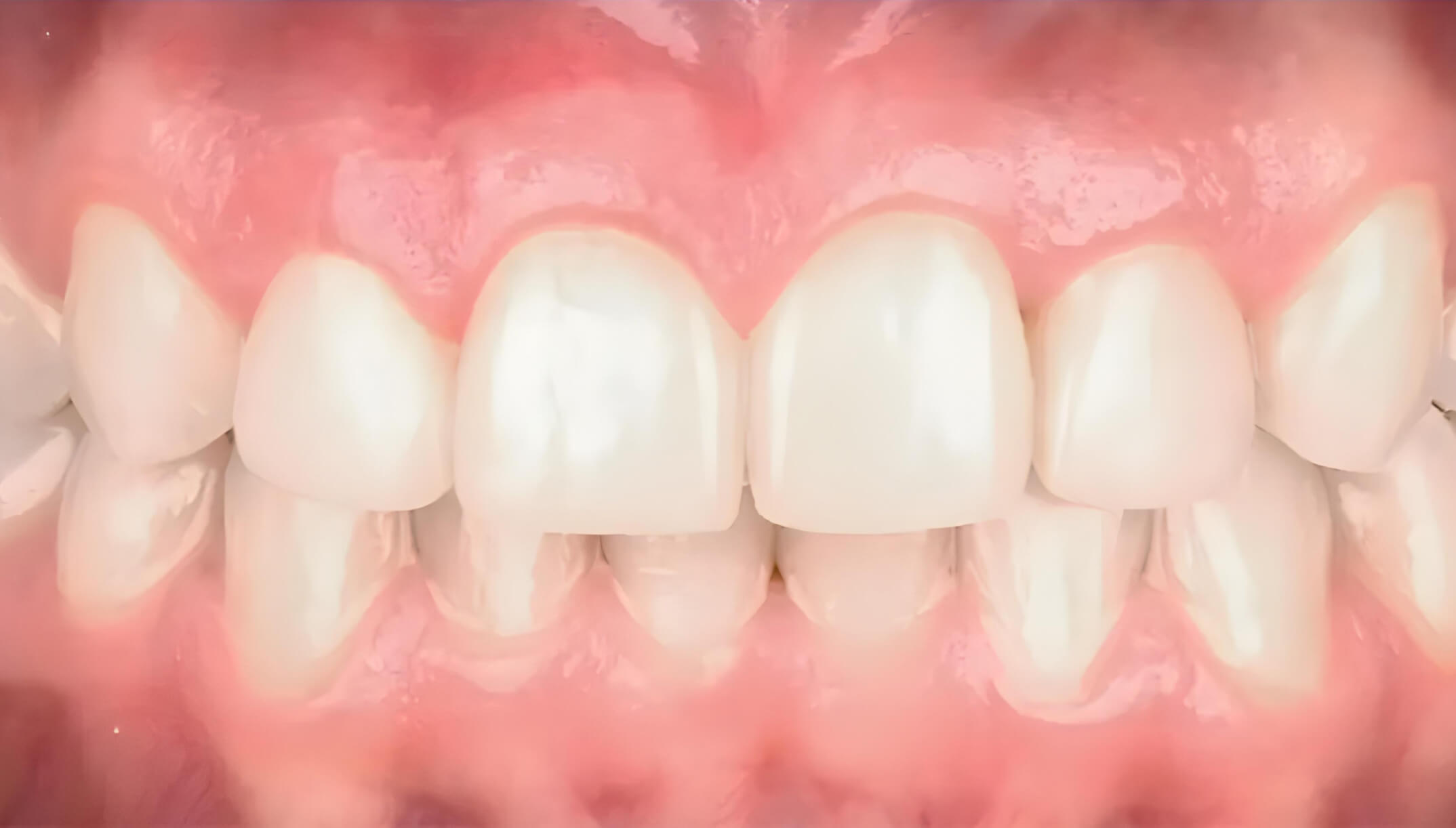
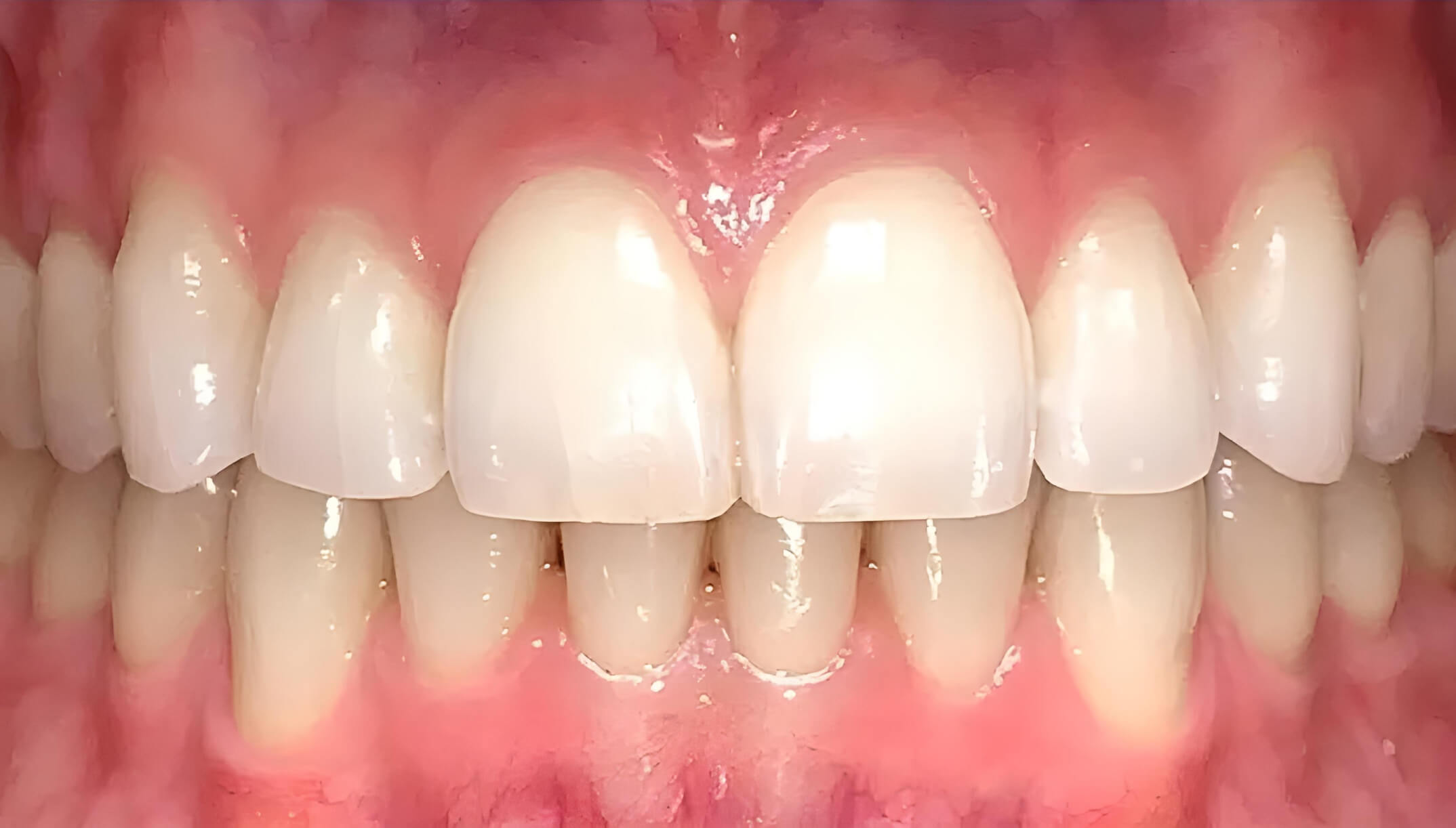
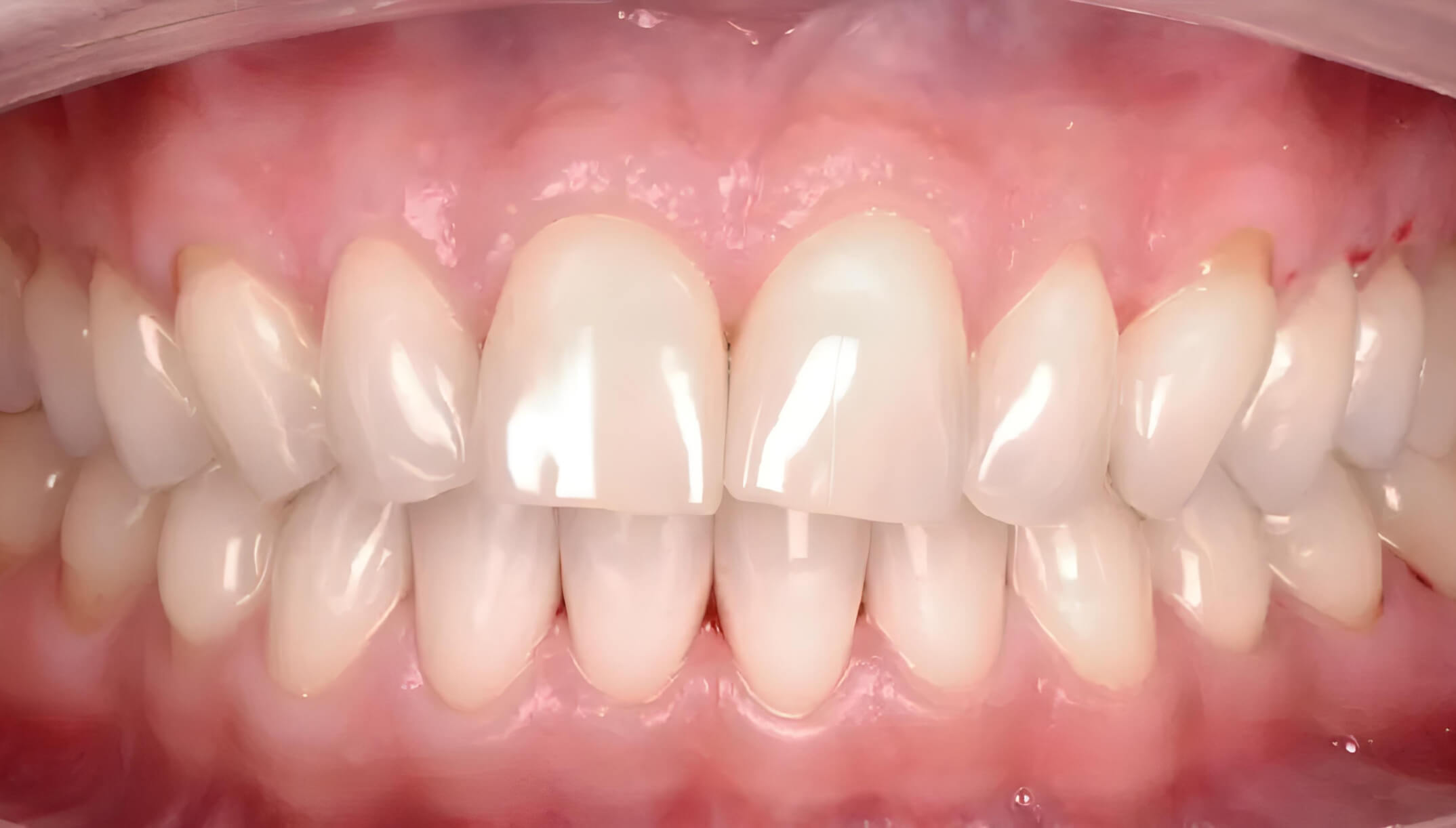
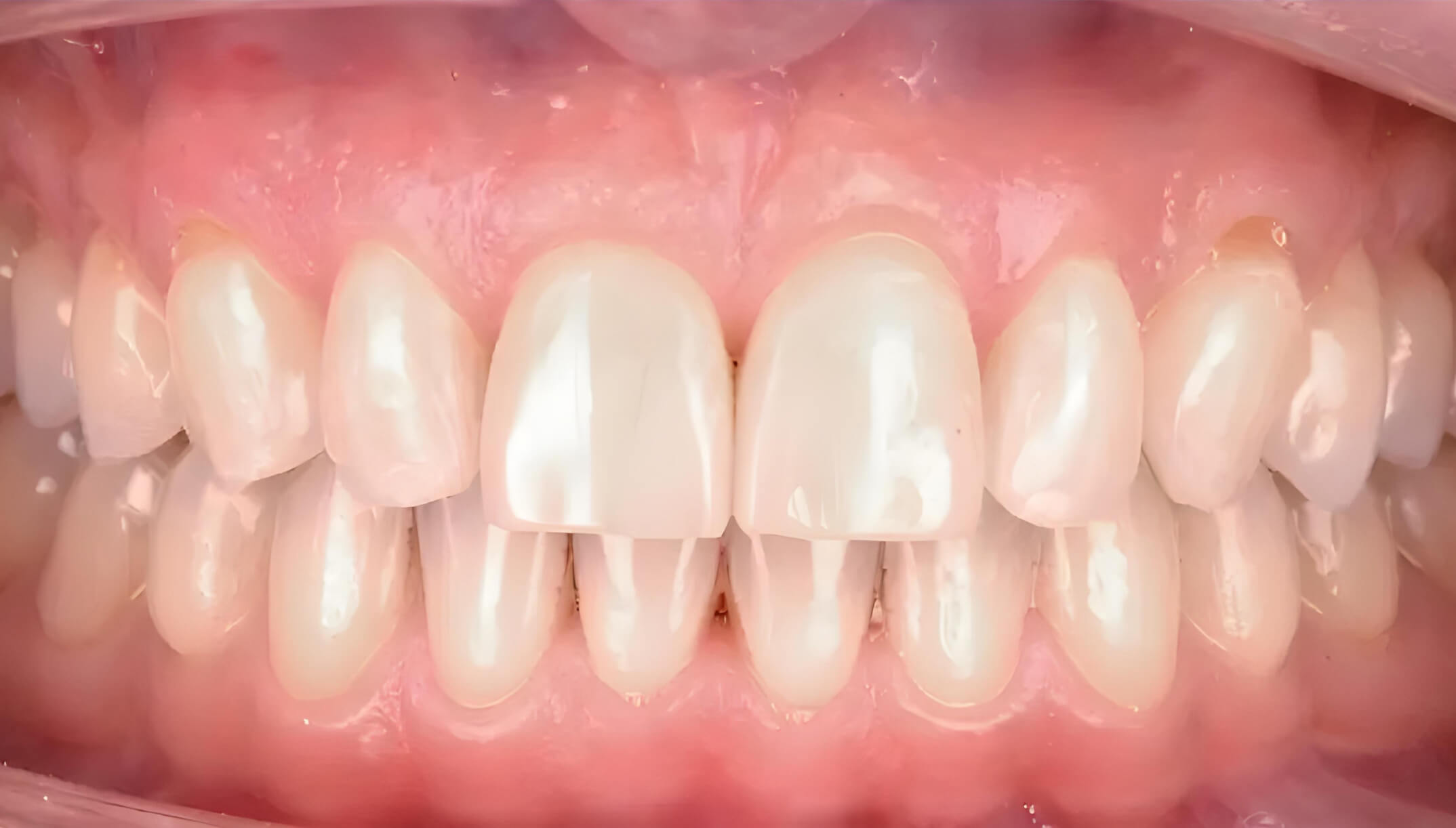
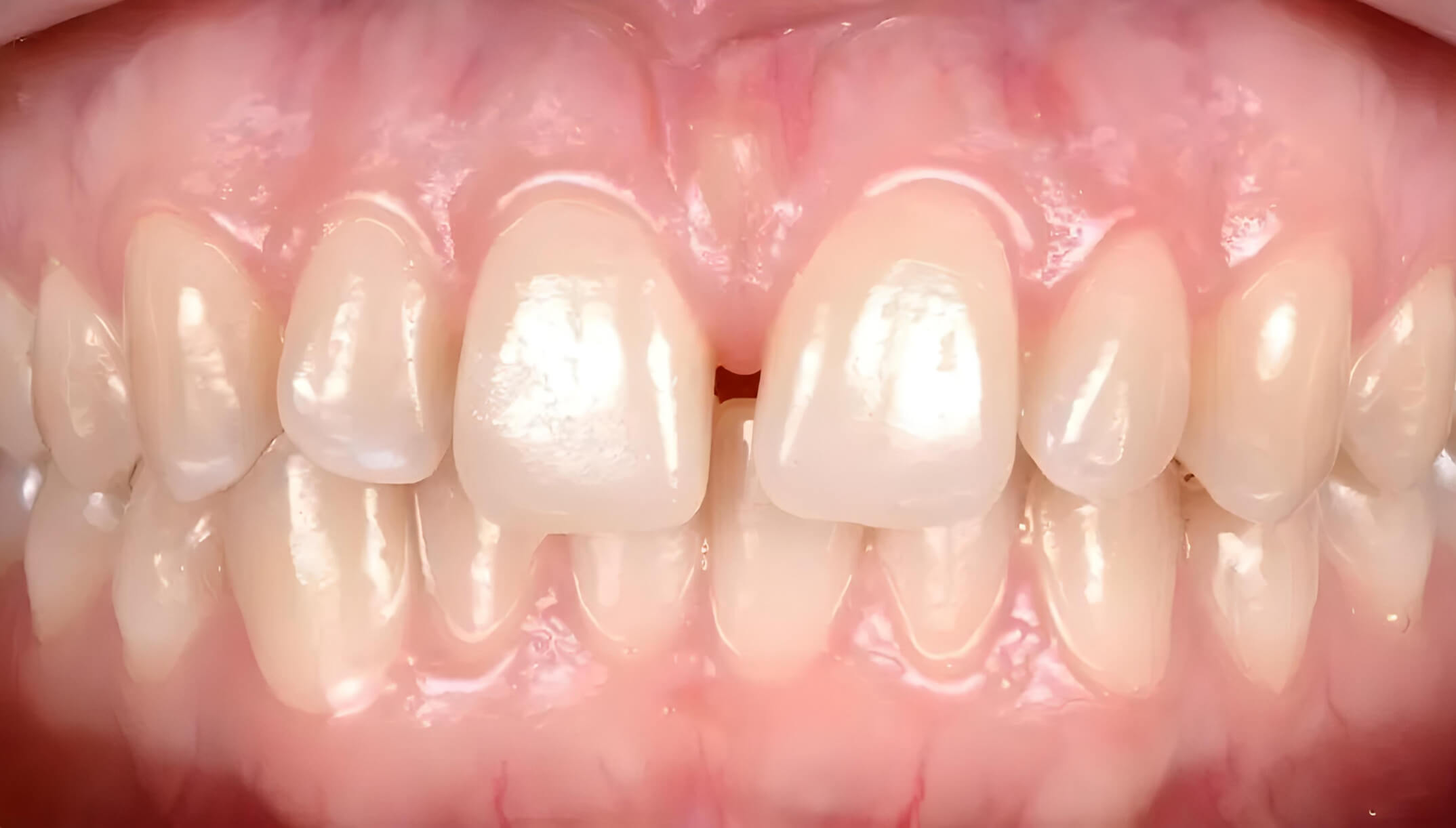
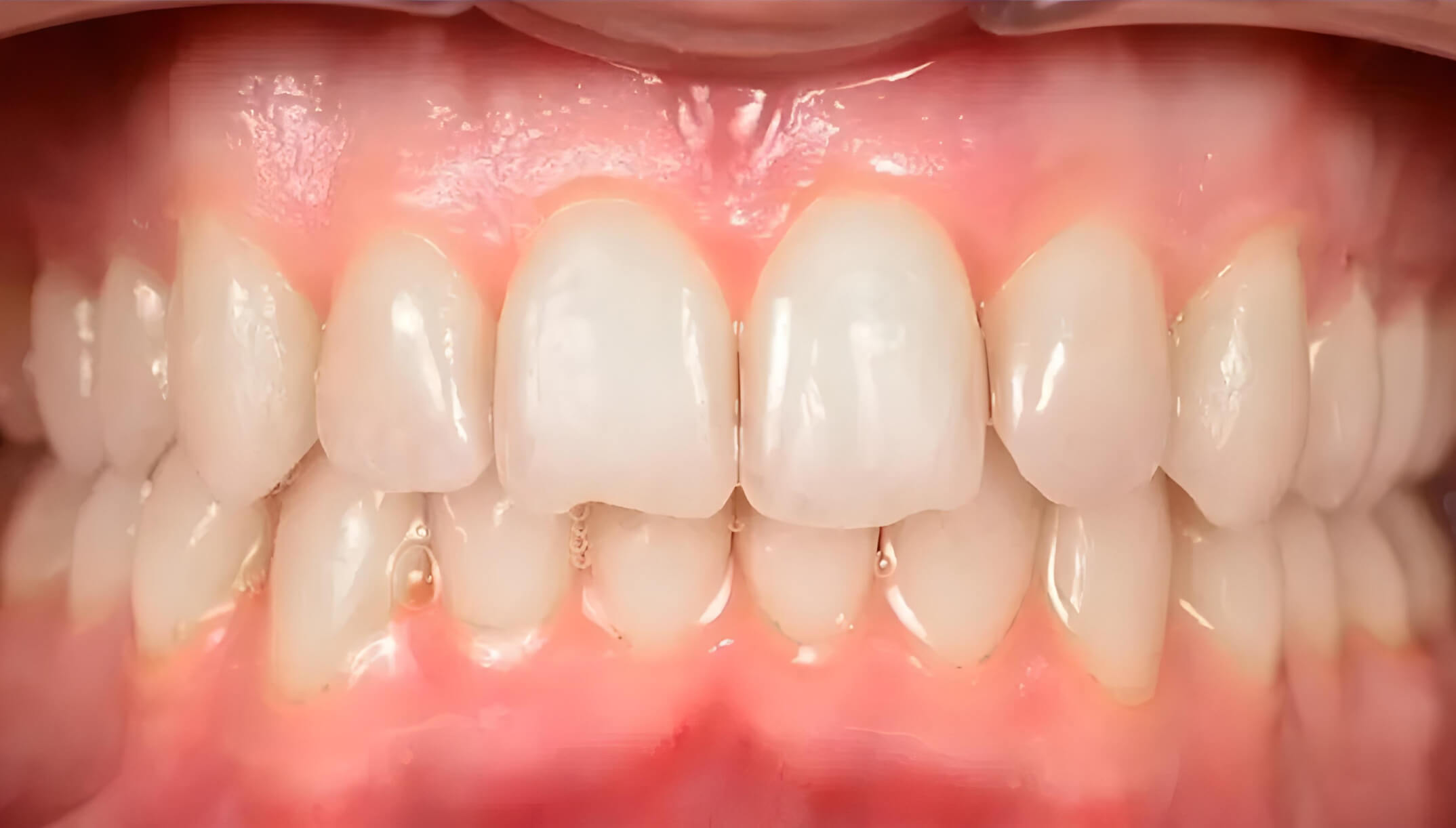
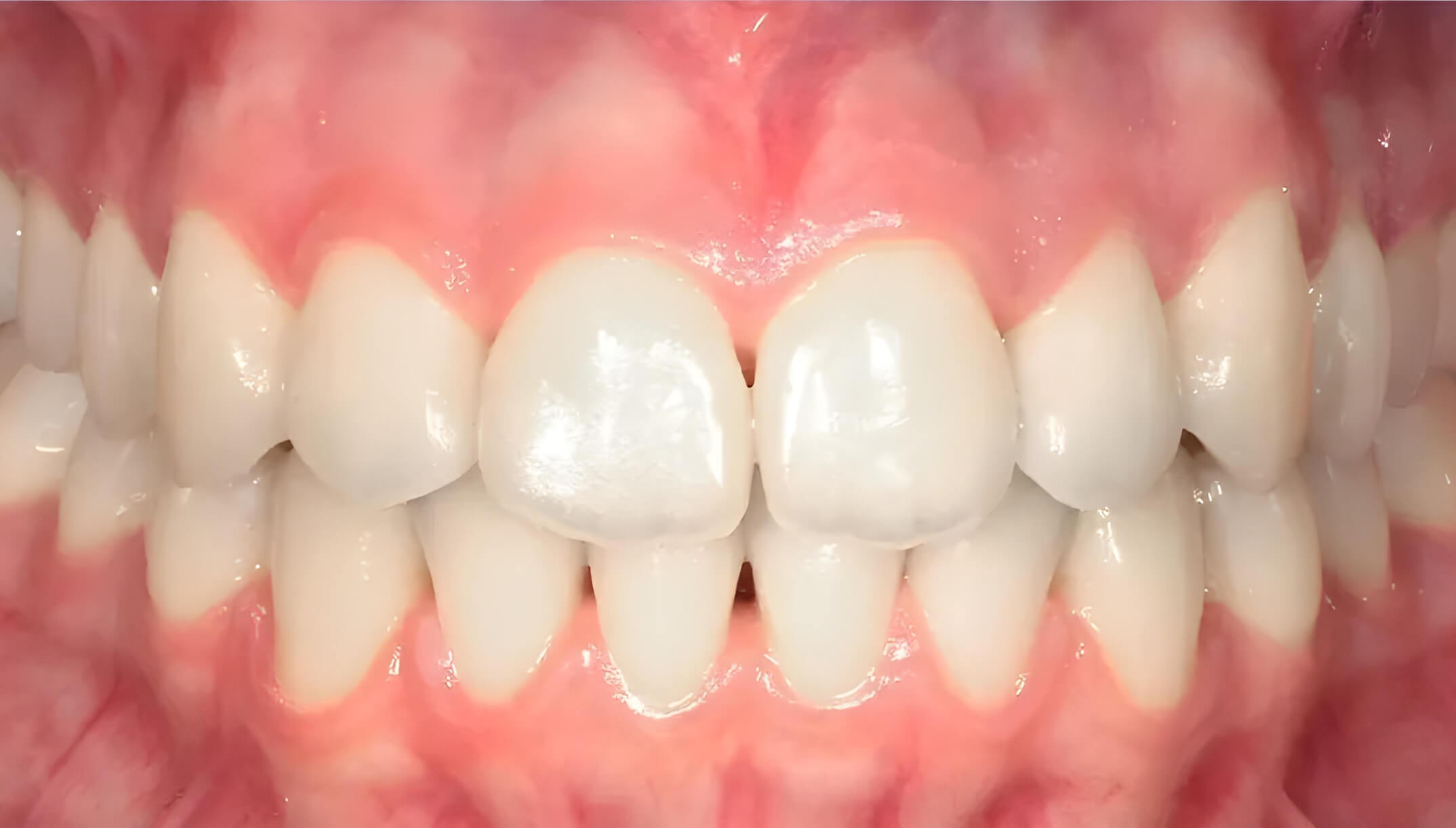
Before Before
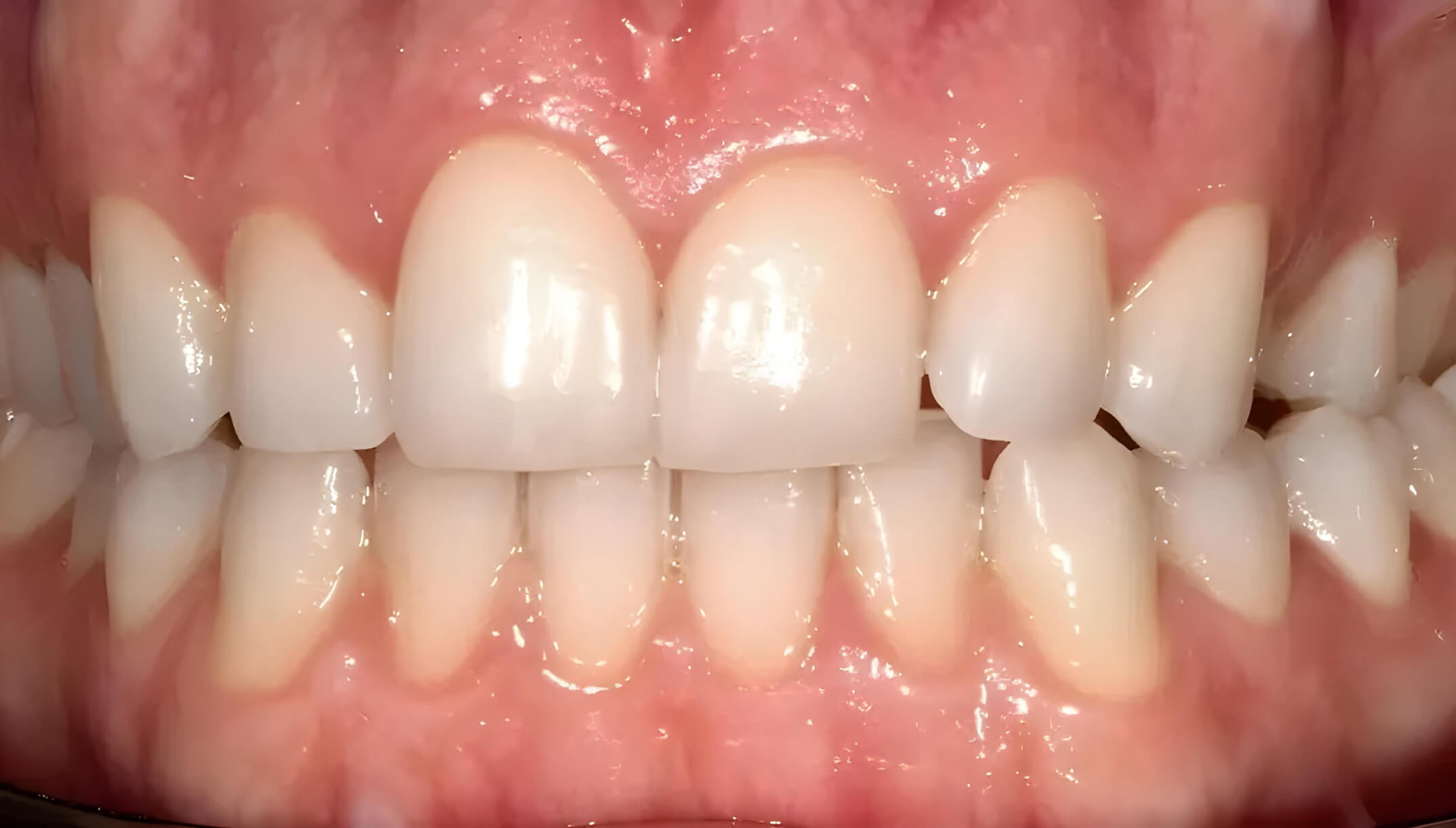
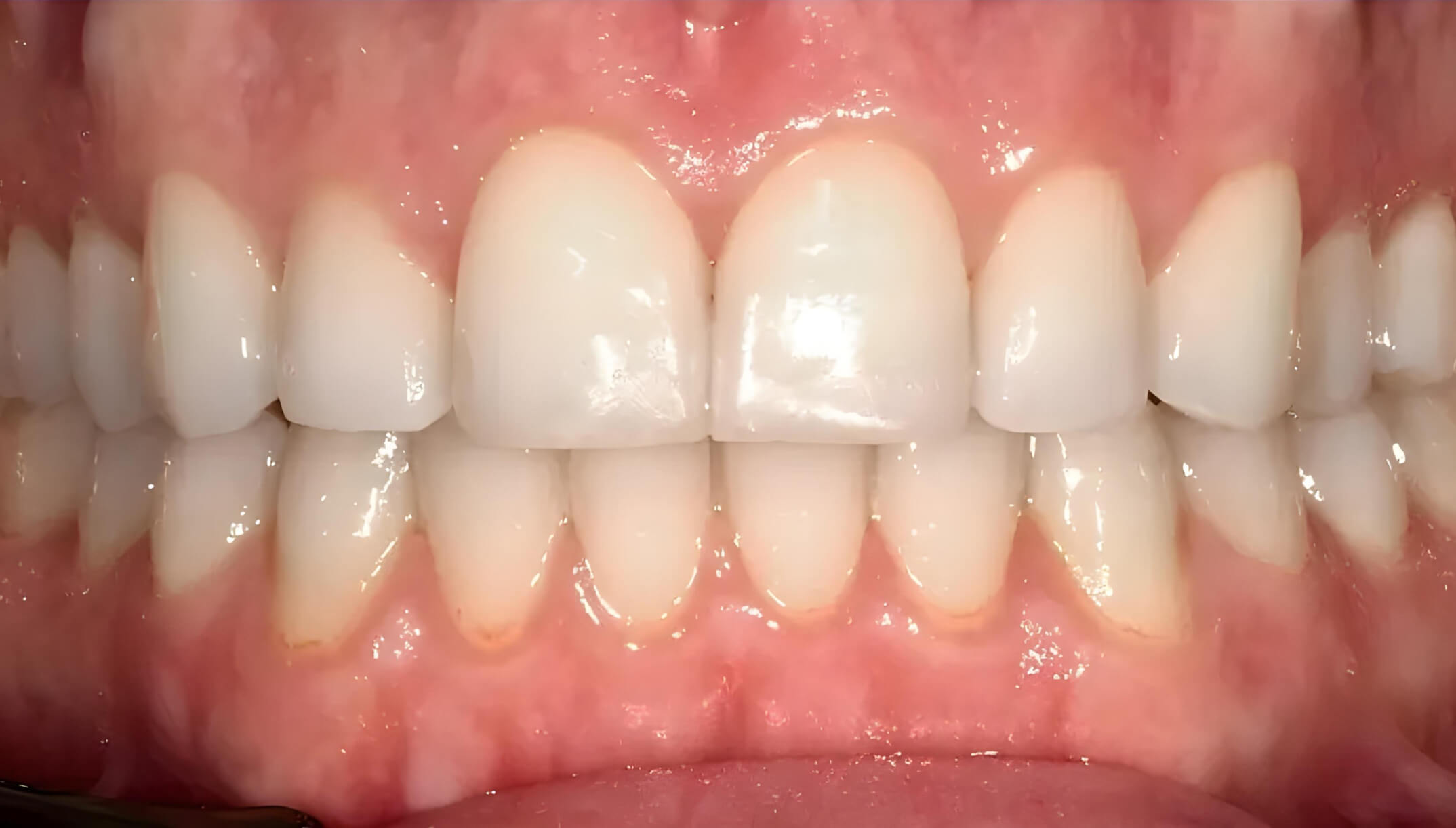
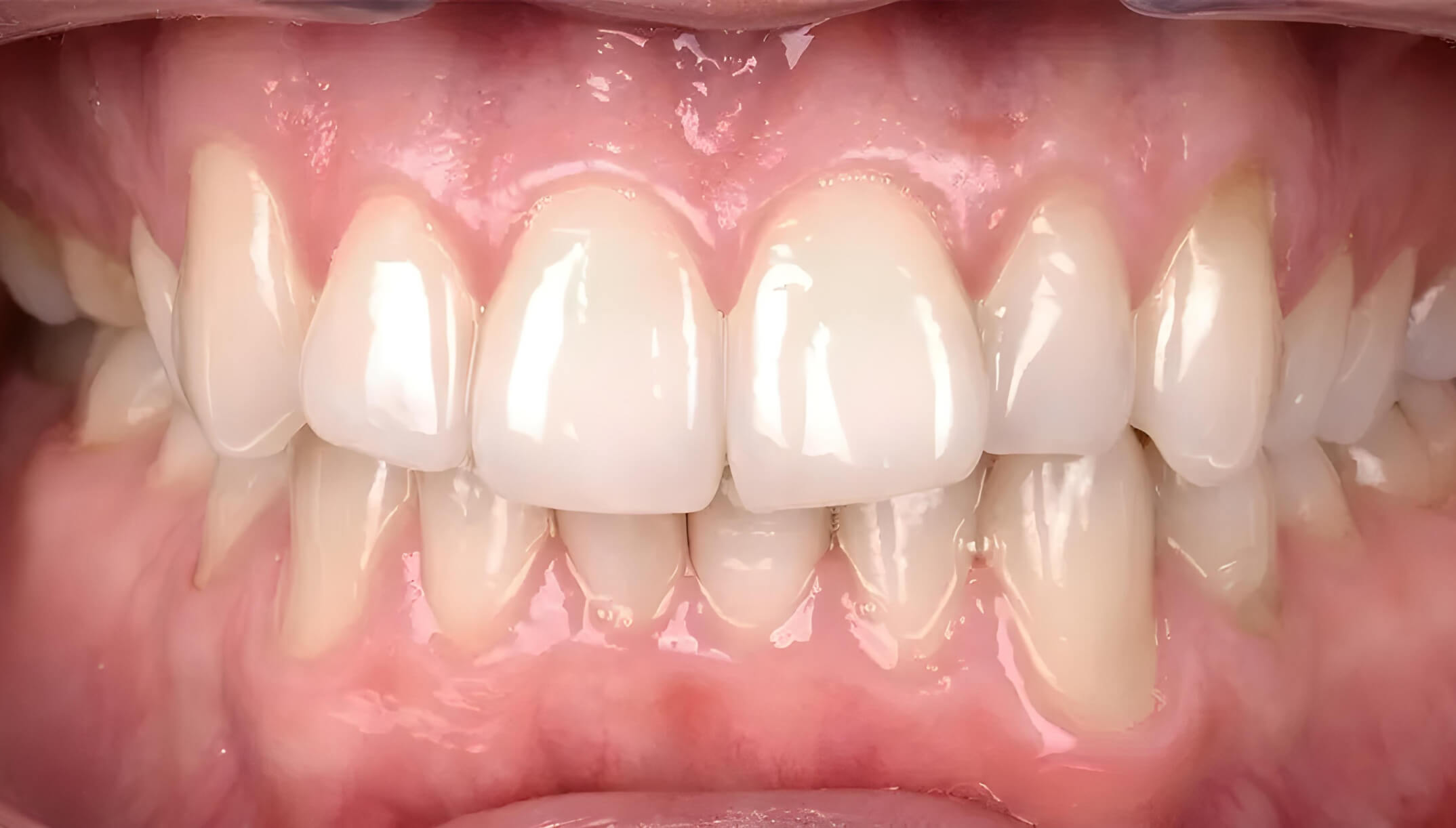
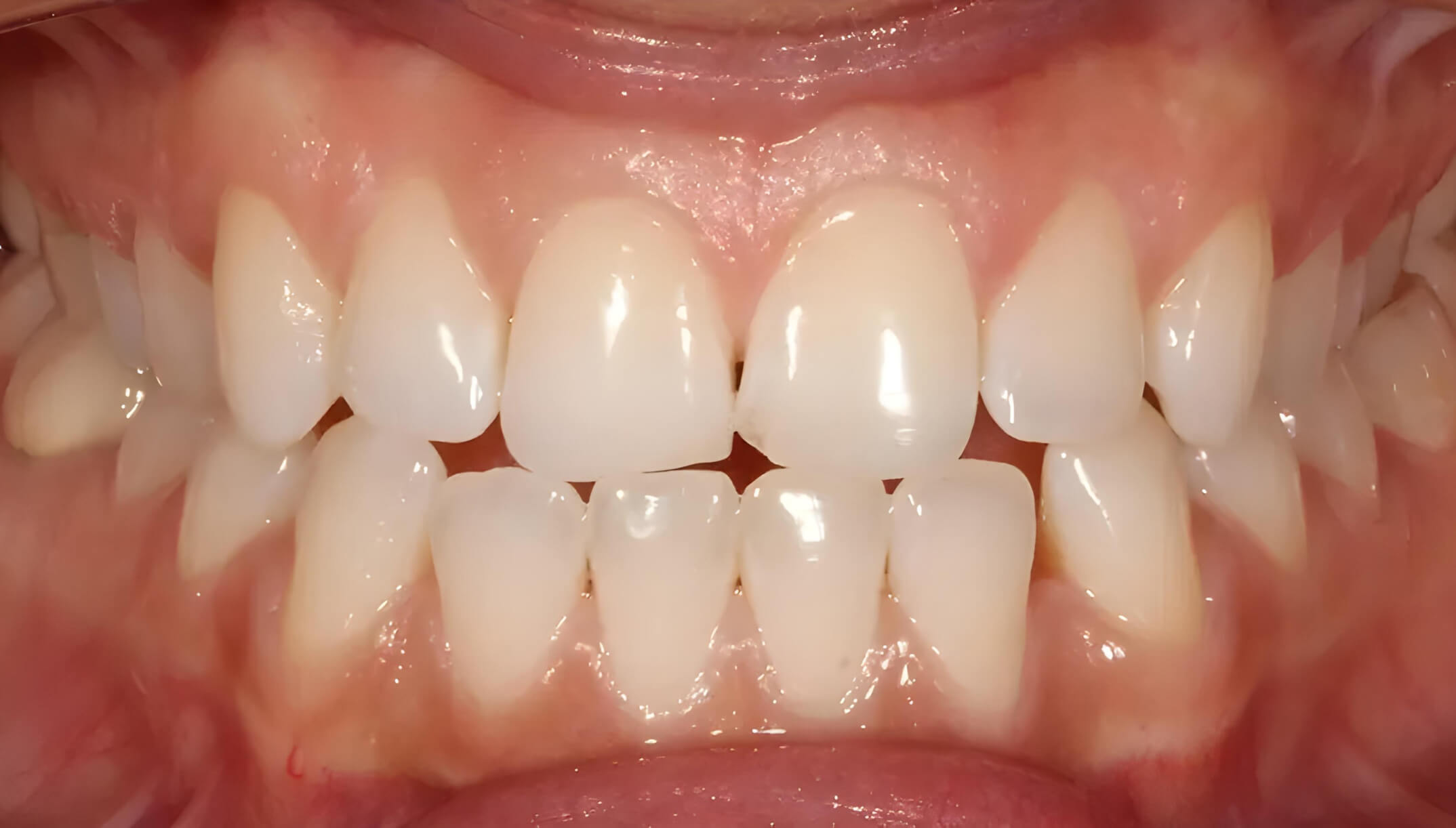
After After
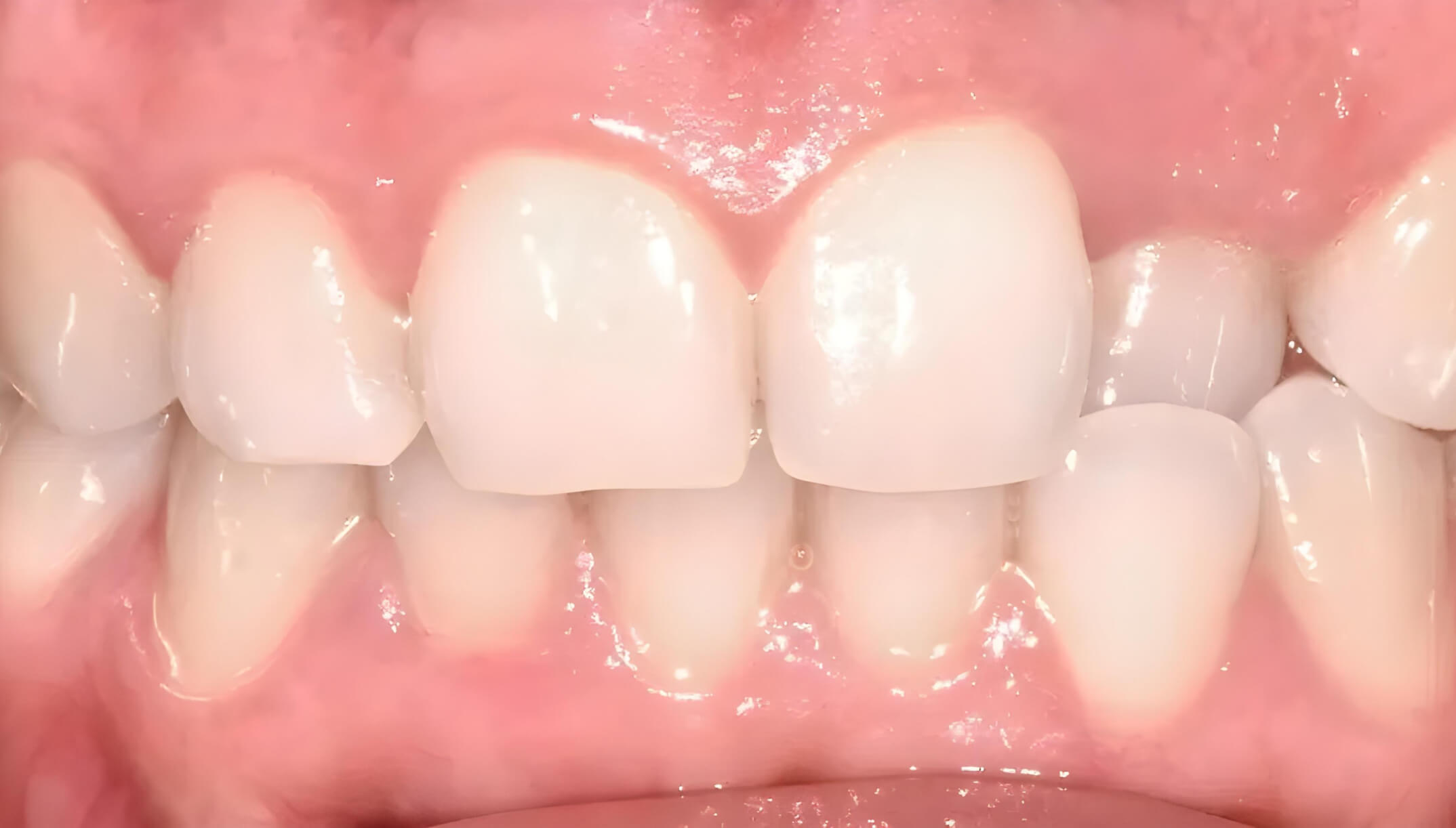
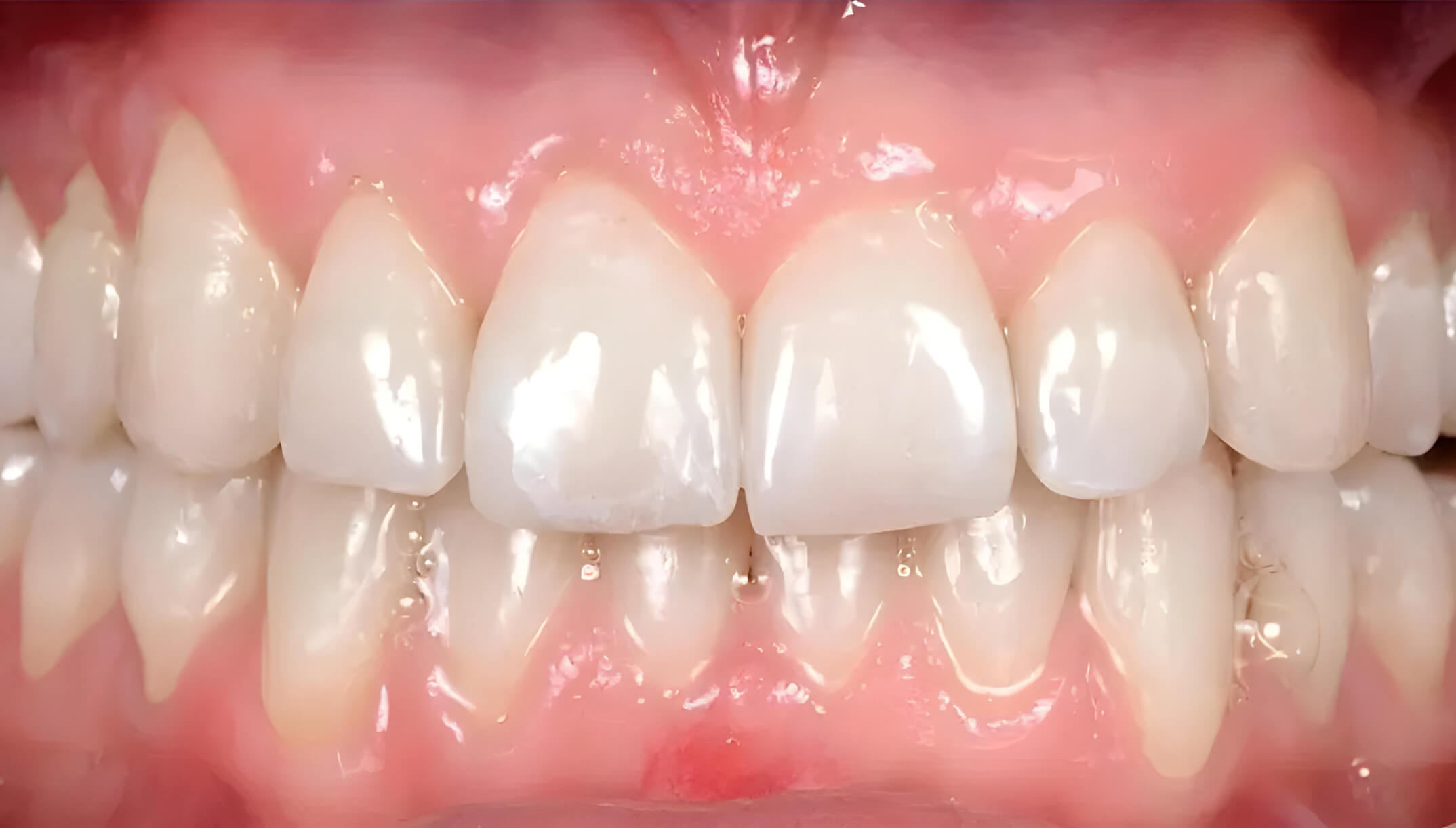
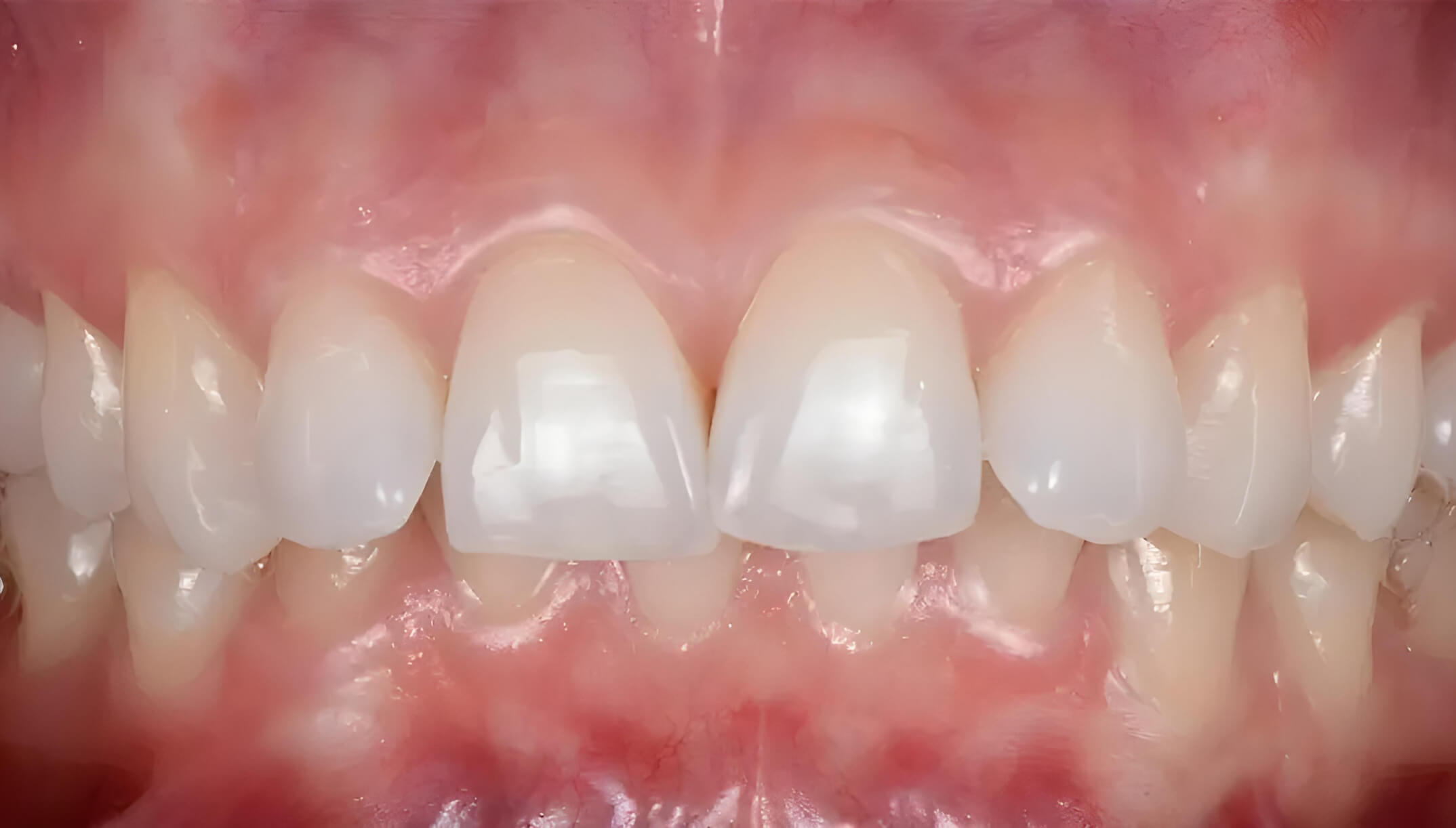
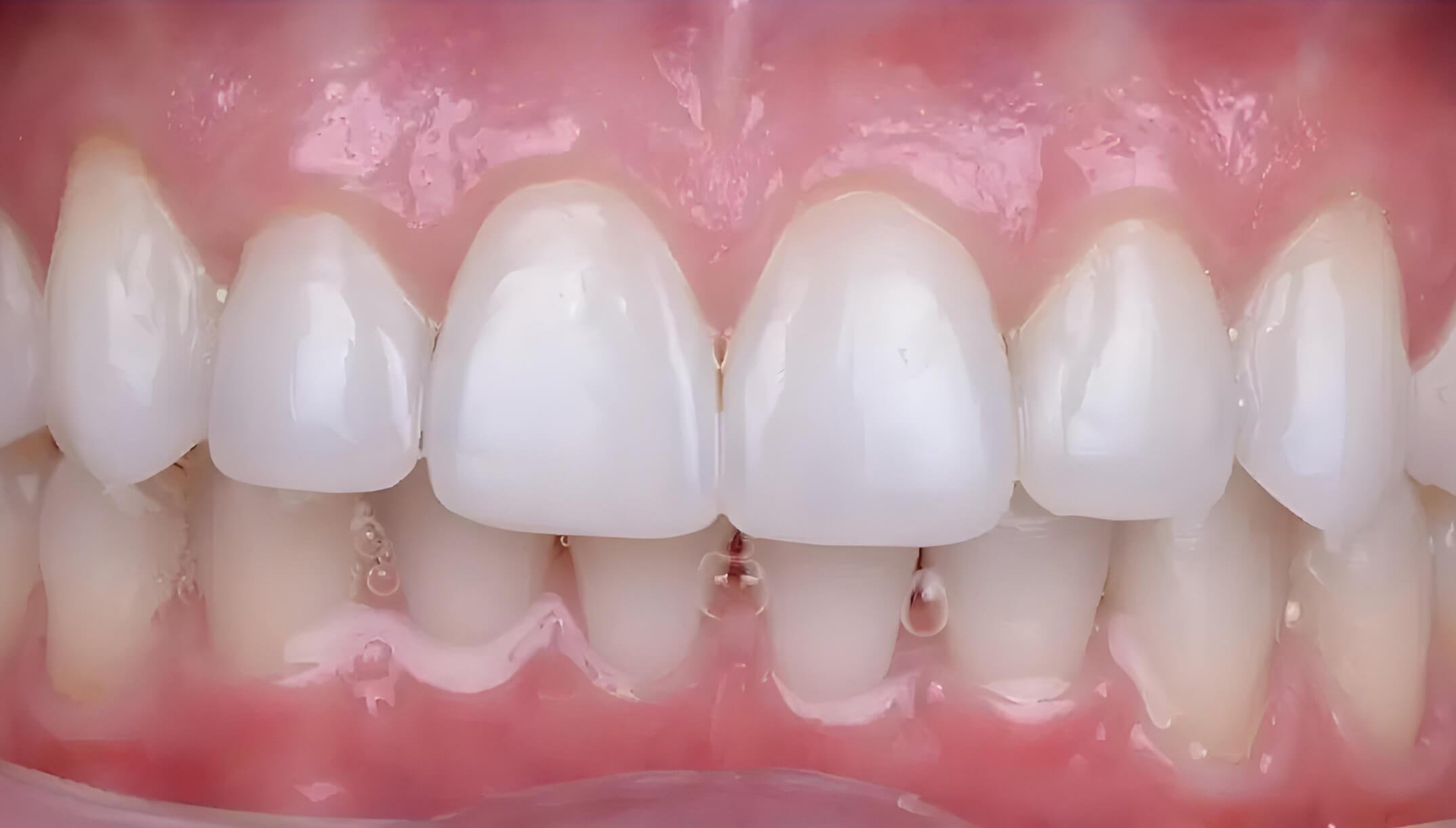
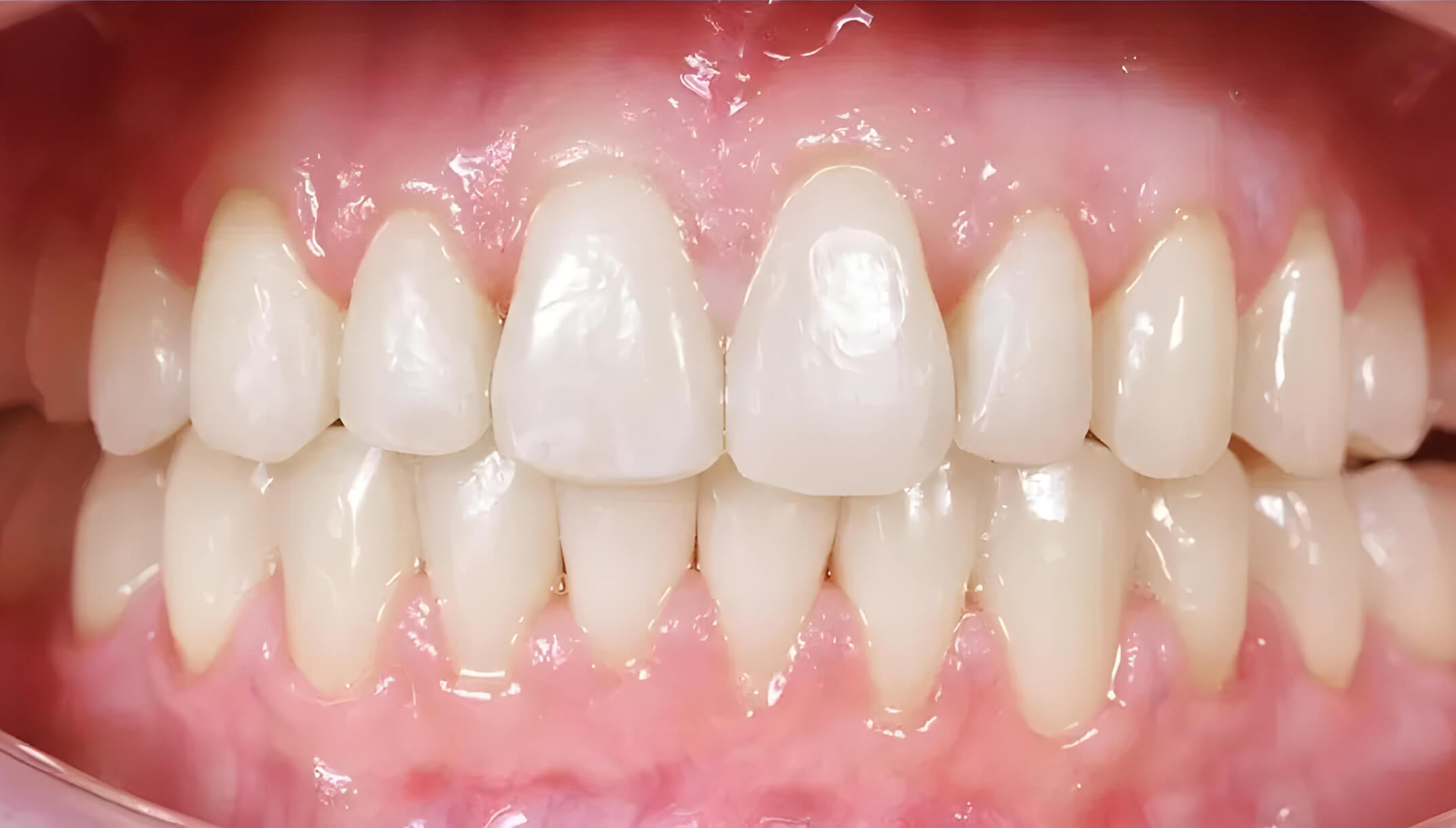
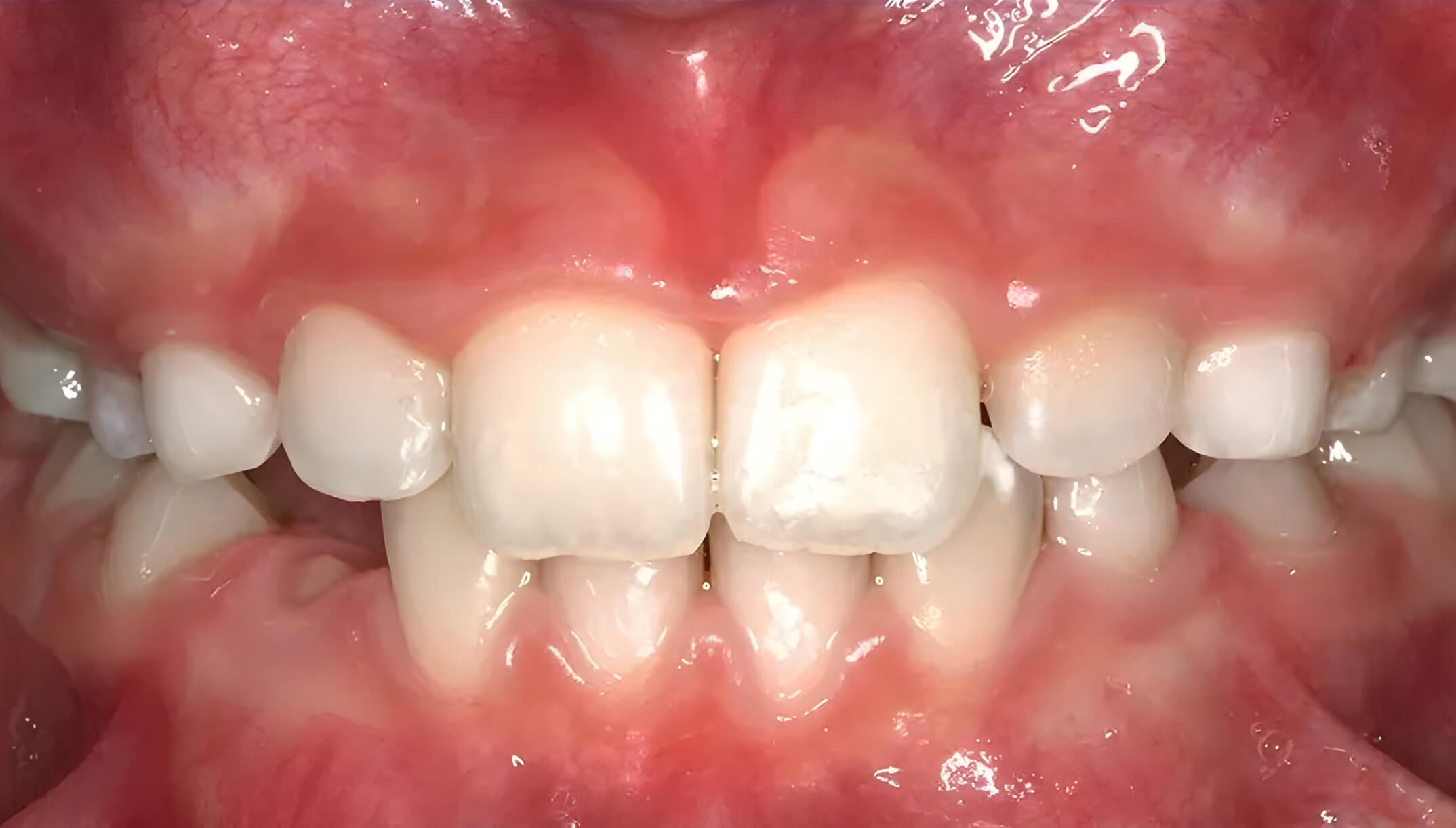
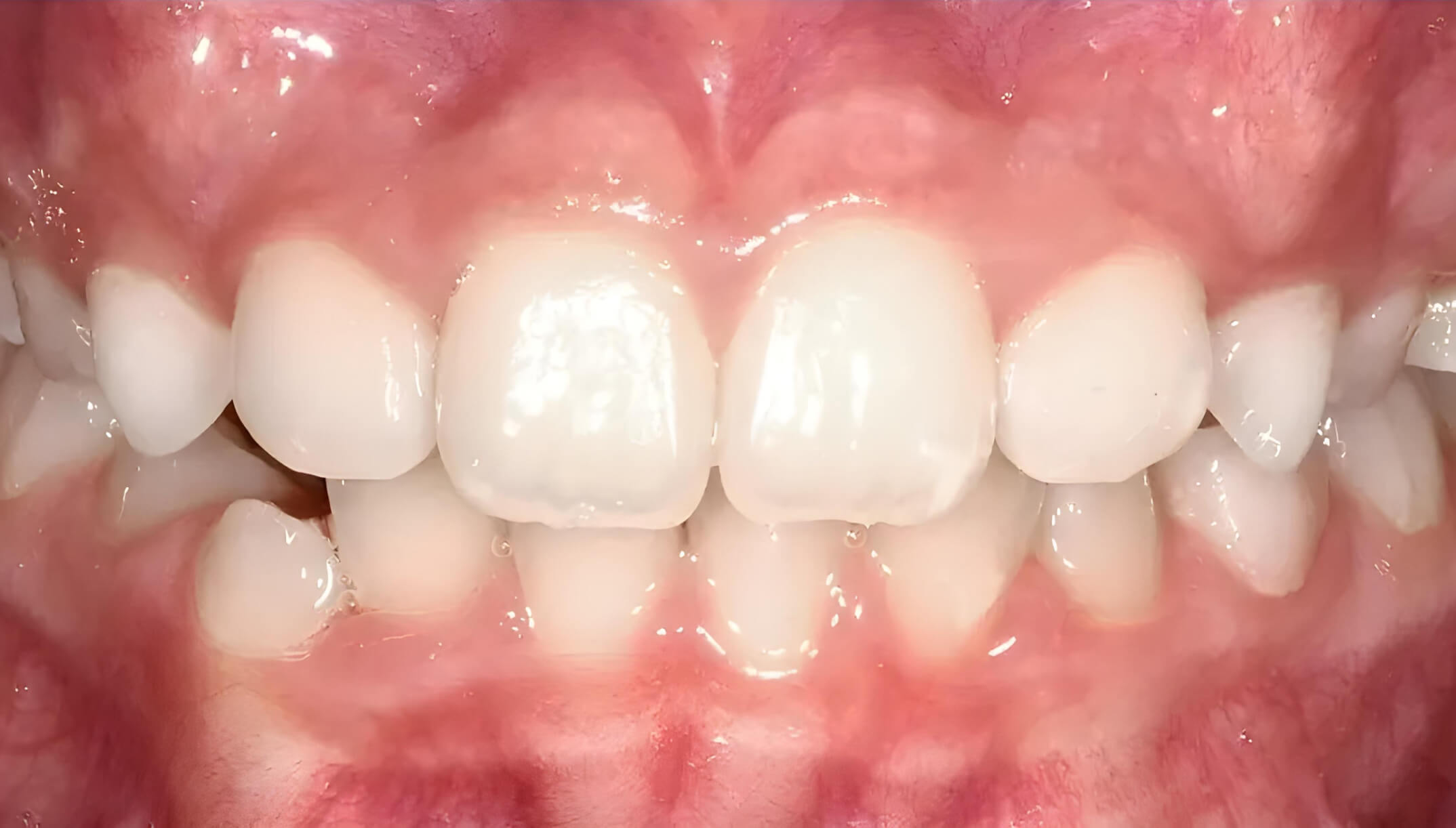
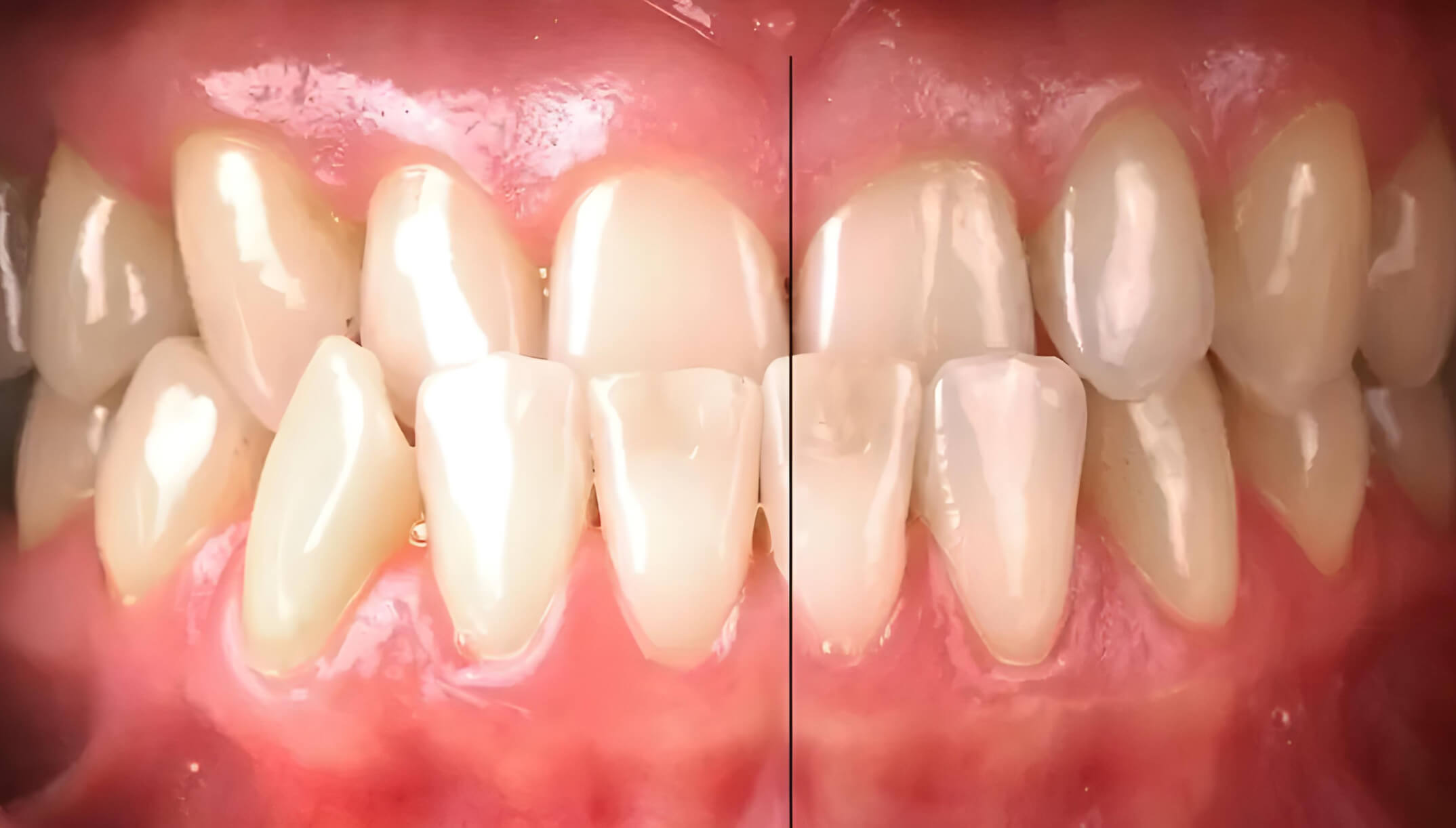
Crossbite #14

This is a type of occlusion disorder (teeth occlusion) in which individual teeth of the upper jaw are located inside the lower row of teeth or vice versa, the lower row overlaps the upper one.

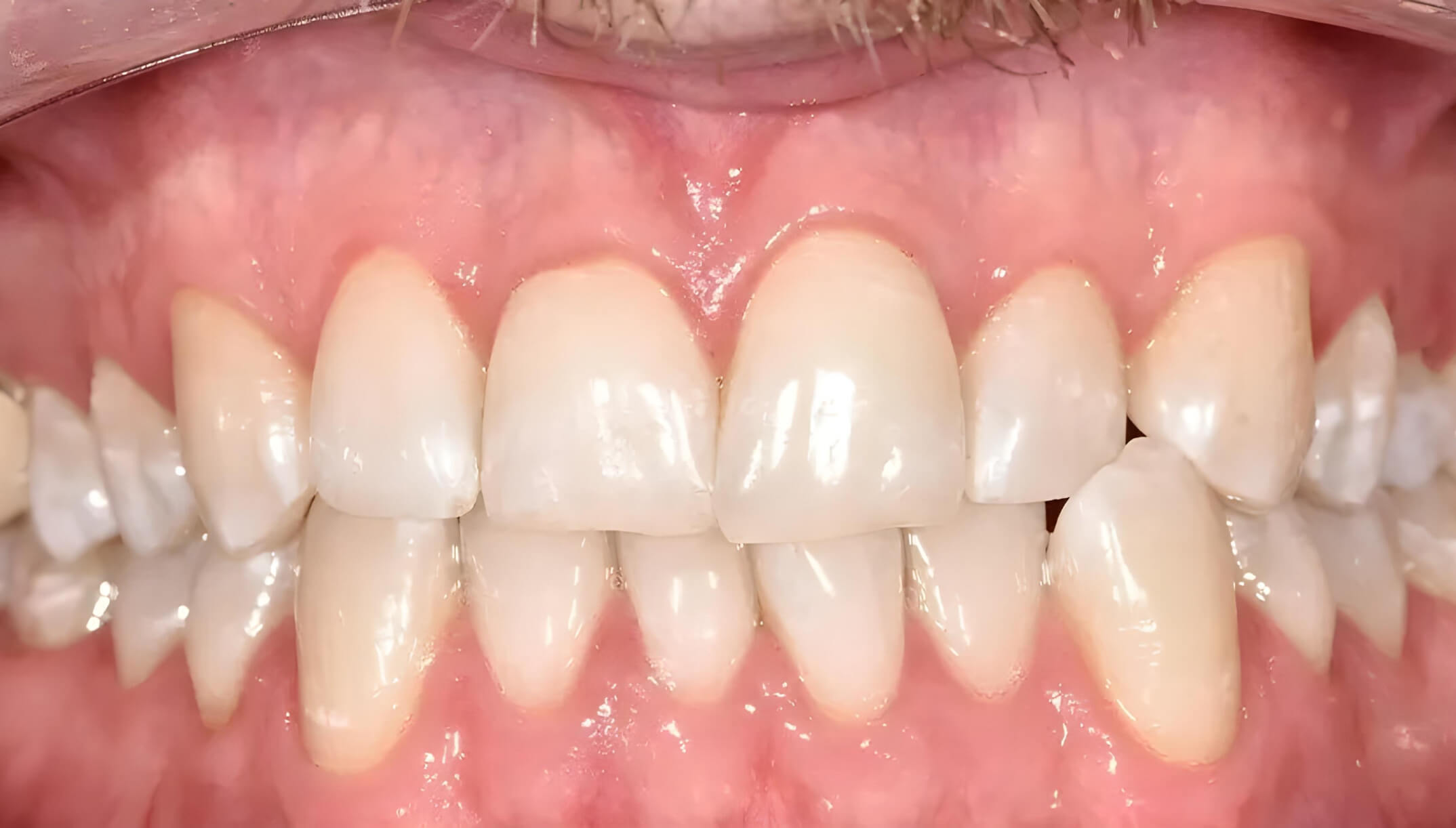
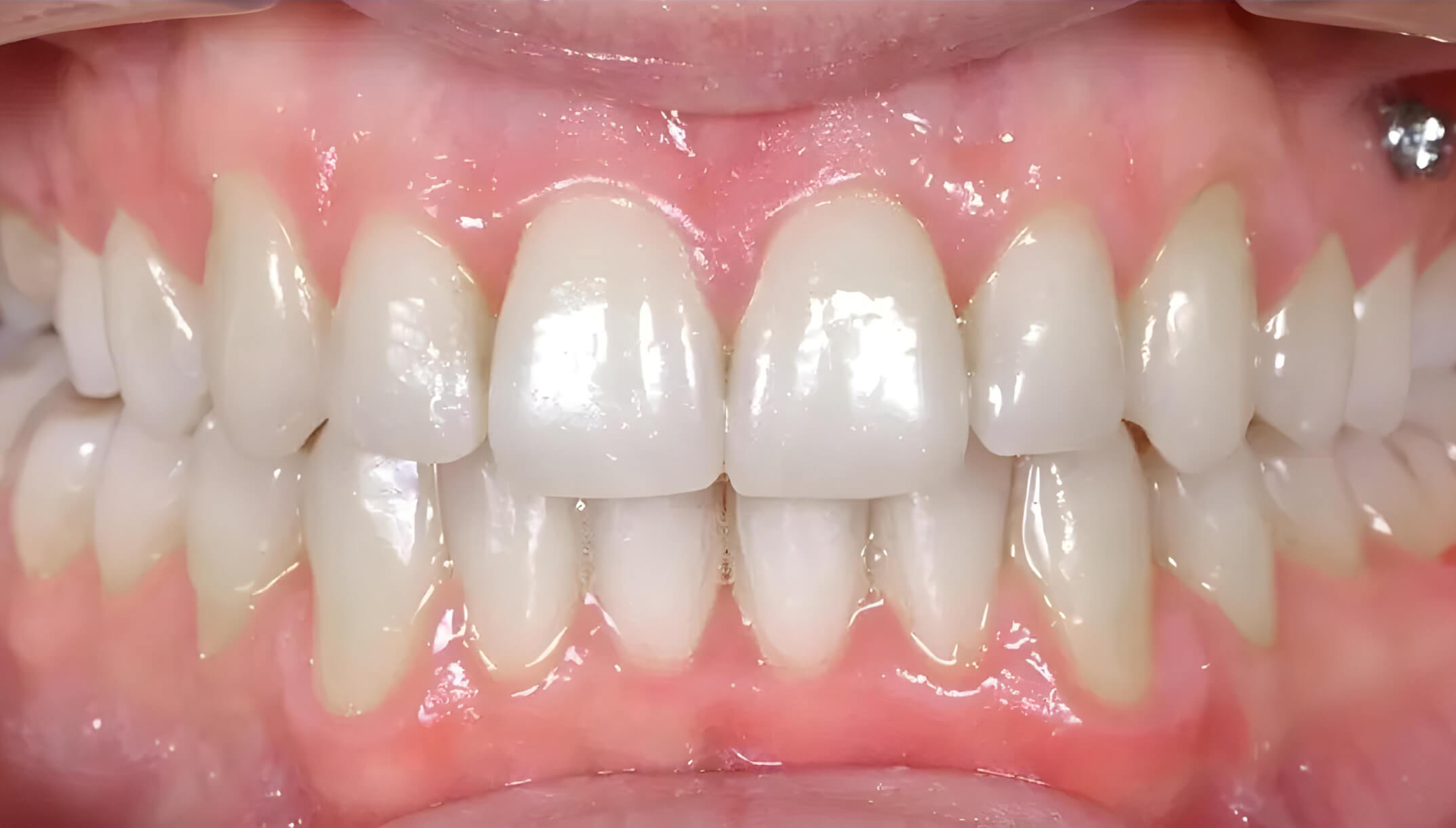
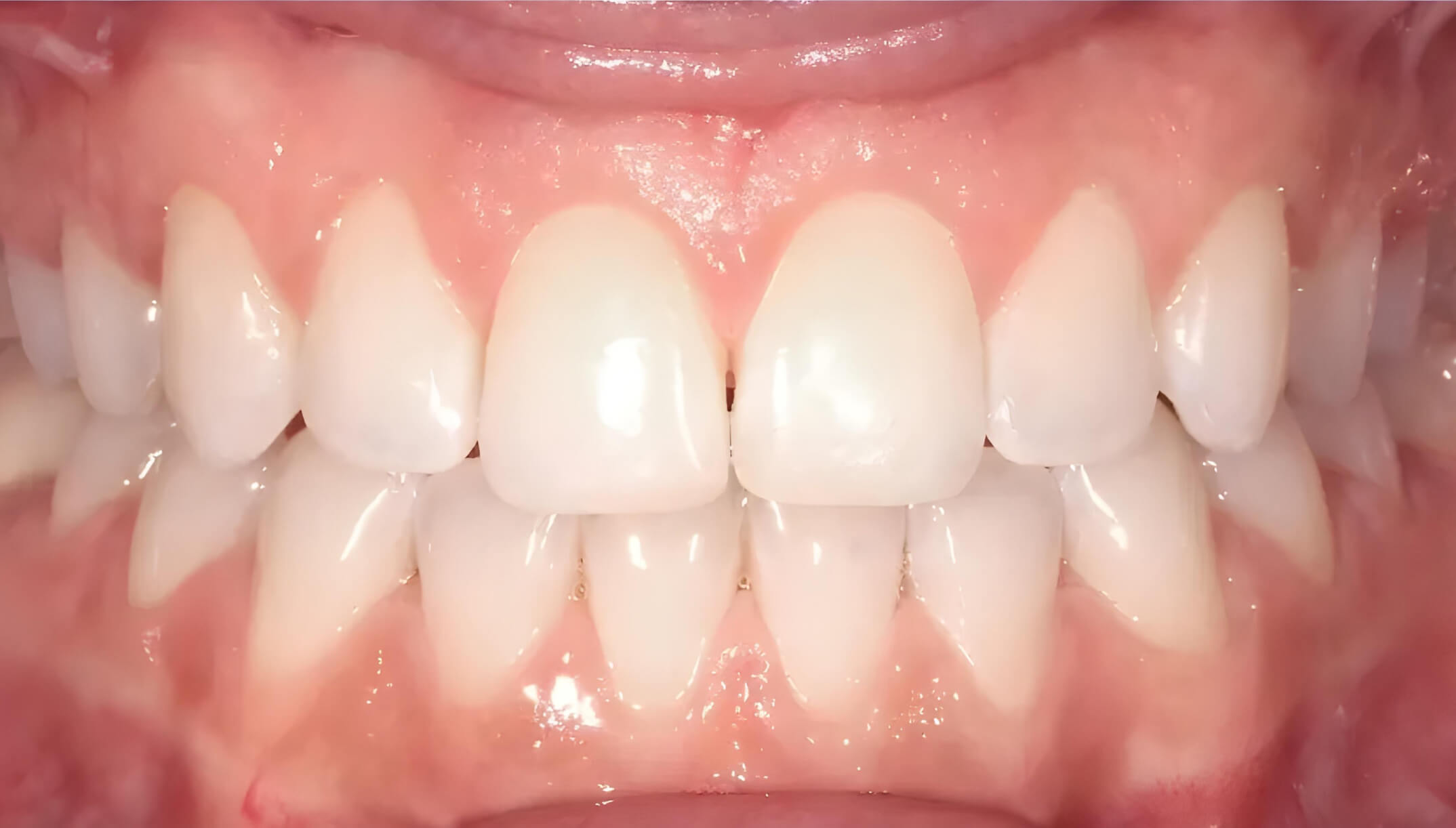
Before Before
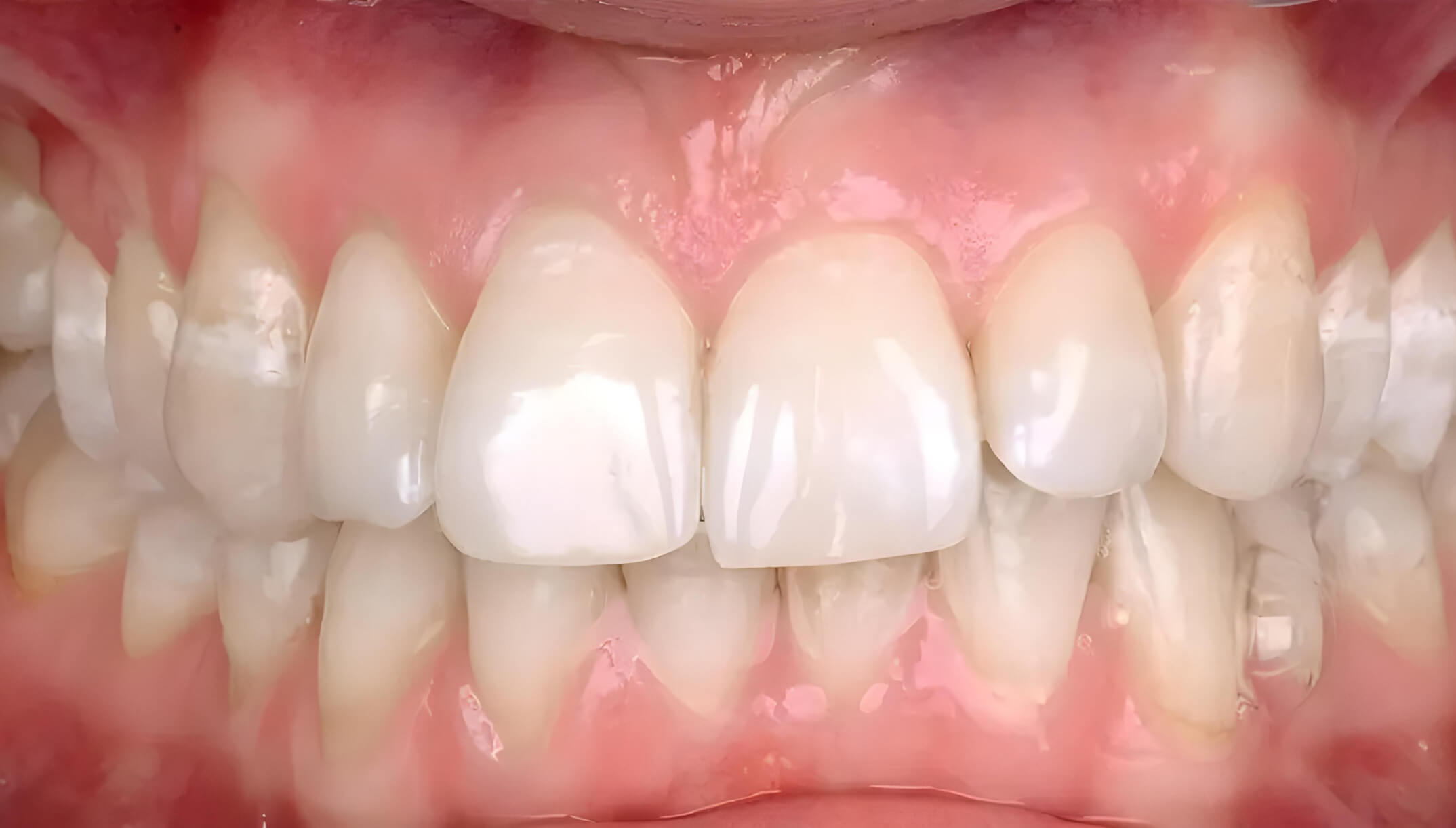
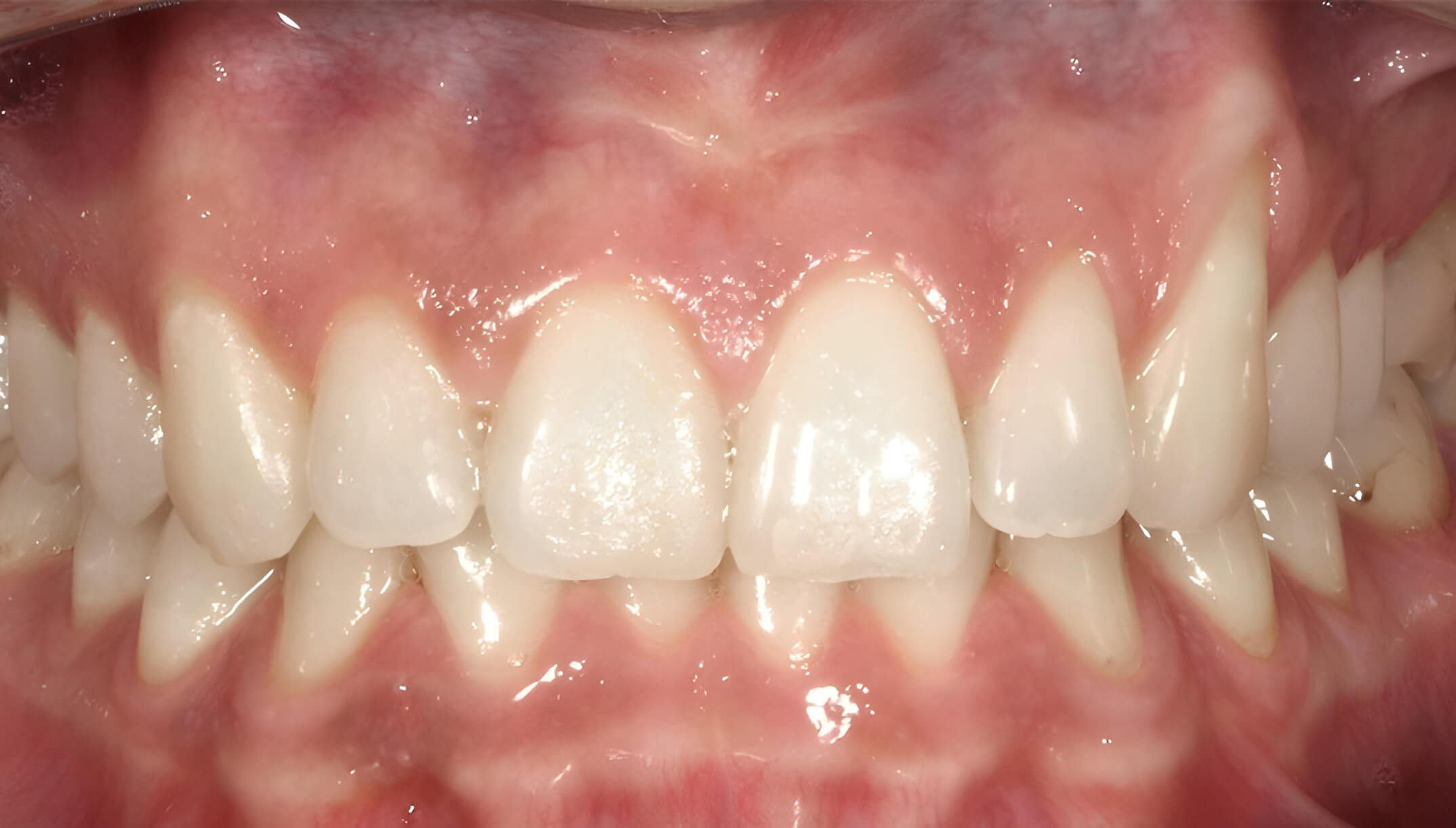
After After

Crossbite #13

This is a type of occlusion disorder (teeth occlusion) in which individual teeth of the upper jaw are located inside the lower row of teeth or vice versa, the lower row overlaps the upper one.

Before Before
After After

Crossbite #12

This is a type of occlusion disorder (teeth occlusion) in which individual teeth of the upper jaw are located inside the lower row of teeth or vice versa, the lower row overlaps the upper one.

Before Before
After After

Crossbite #11

This is a type of occlusion disorder (teeth occlusion) in which individual teeth of the upper jaw are located inside the lower row of teeth or vice versa, the lower row overlaps the upper one.

Before Before
After After

Crossbite #10

This is a type of occlusion disorder (teeth occlusion) in which individual teeth of the upper jaw are located inside the lower row of teeth or vice versa, the lower row overlaps the upper one.

Before Before
After After

Crossbite #9

This is a type of occlusion disorder (teeth occlusion) in which individual teeth of the upper jaw are located inside the lower row of teeth or vice versa, the lower row overlaps the upper one.

Before Before
After After

Crossbite #8

This is a type of occlusion disorder (teeth occlusion) in which individual teeth of the upper jaw are located inside the lower row of teeth or vice versa, the lower row overlaps the upper one.

Before Before
After After

Crossbite #6

This is a type of occlusion disorder (teeth occlusion) in which individual teeth of the upper jaw are located inside the lower row of teeth or vice versa, the lower row overlaps the upper one.

Before Before
After After

Crowding #26

The teeth are located too close to each other, causing a disruption in the correct position of the dental arch.

Before Before
After After

Crowding #25

The teeth are located too close to each other, causing a disruption in the correct position of the dental arch.

Before Before
After After

Crowding #24

The teeth are located too close to each other, causing a disruption in the correct position of the dental arch.

Before Before
After After

Crowding #23

The teeth are located too close to each other, causing a disruption in the correct position of the dental arch.

Before Before
After After

Crowding #21

The teeth are located too close to each other, causing a disruption in the correct position of the dental arch.

Before Before
After After

Crowding #20

The teeth are located too close to each other, causing a disruption in the correct position of the dental arch.

Before Before
After After

Crowding #19

The teeth are located too close to each other, causing a disruption in the correct position of the dental arch.

Before Before
After After

Crowding #18

The teeth are located too close to each other, causing a disruption in the correct position of the dental arch.

Before Before
After After

Deep Bite #7

The upper front teeth significantly overlap the lower teeth. This condition is considered an occlusion (or malocclusion) anomaly.

Before Before
After After

Deep Bite #6

The upper front teeth significantly overlap the lower teeth. This condition is considered an occlusion (or malocclusion) anomaly.

Before Before
After After

Deep Bite #5

The upper front teeth significantly overlap the lower teeth. This condition is considered an occlusion (or malocclusion) anomaly.

Before Before
After After

Deep Bite #4

The upper front teeth significantly overlap the lower teeth. This condition is considered an occlusion (or malocclusion) anomaly.

Before Before
After After

Deep Bite #3

The upper front teeth significantly overlap the lower teeth. This condition is considered an occlusion (or malocclusion) anomaly.

Before Before
After After

Deep Bite #2

The upper front teeth significantly overlap the lower teeth. This condition is considered an occlusion (or malocclusion) anomaly.

Before Before
After After

Deep Bite #1

Narrowing of the dental arches. Crowding of teeth in the upper and lower dental arches. Deep occlusion.

Before Before
After After

Gap Teeth

Narrowing of the dental arches. Tremas and diastemas in the anterior region of the upper and lower dental arches.

Before Before
After After

Distal Bite #17

This is a type of malocclusion in which the upper jaw protrudes significantly forward in relation to the lower jaw.

Before Before
After After

Distal Bite #16

This is a type of malocclusion in which the upper jaw protrudes significantly forward in relation to the lower jaw.

Before Before
After After

Distal Bite #15

This is a type of malocclusion in which the upper jaw protrudes significantly forward in relation to the lower jaw.

Before Before
After After

Distal Bite #14

This is a type of malocclusion in which the upper jaw protrudes significantly forward in relation to the lower jaw.

Before Before
After After

Distal Bite #13

This is a type of malocclusion in which the upper jaw protrudes significantly forward in relation to the lower jaw.

Before Before
After After

Distal Bite #12

This is a type of malocclusion in which the upper jaw protrudes significantly forward in relation to the lower jaw.

Before Before
After After

Distal Bite #11

This is a type of malocclusion in which the upper jaw protrudes significantly forward in relation to the lower jaw.

Before Before
After After

Distal Bite #10

This is a type of malocclusion in which the upper jaw protrudes significantly forward in relation to the lower jaw.

Before Before
After After

Gap Teeth

Narrowing of the dental arches. Tremas and diastemas in the anterior region of the upper and lower dental arches.

Before Before
After After

Kids Cases #4

Malocclusion in children is an abnormal alignment of the teeth that can be caused by genetics, bad habits (such as thumb sucking), poor diet, or injuries.

Before Before
After After

Kids Cases #3

Malocclusion in children is an abnormal alignment of the teeth that can be caused by genetics, bad habits (such as thumb sucking), poor diet, or injuries.

Before Before
After After

Kids Cases #2

Malocclusion in children is an abnormal alignment of the teeth that can be caused by genetics, bad habits (such as thumb sucking), poor diet, or injuries.

Before Before
After After

Kids Cases #1

Malocclusion in children is an abnormal alignment of the teeth that can be caused by genetics, bad habits (such as thumb sucking), poor diet, or injuries.

Before Before
After After

Mesial Bite #8

Mesial occlusion is an anomaly of the dentition characterized by the forward displacement of the lower jaw relative to the upper jaw.

Before Before
After After

Mesial Bite #7

Mesial occlusion is an anomaly of the dentition characterized by the forward displacement of the lower jaw relative to the upper jaw.

Before Before
After After

Mesial Bite #6

Mesial occlusion is an anomaly of the dentition characterized by the forward displacement of the lower jaw relative to the upper jaw.

Before Before
After After

Mesial Bite #5

Mesial occlusion is an anomaly of the dentition characterized by the forward displacement of the lower jaw relative to the upper jaw.

Before Before
After After

Mesial Bite #4

Mesial occlusion is an anomaly of the dentition characterized by the forward displacement of the lower jaw relative to the upper jaw.

Before Before
After After

Mesial Bite #3

Mesial occlusion is an anomaly of the dentition characterized by the forward displacement of the lower jaw relative to the upper jaw.

Before Before
After After

Mesial Bite #2

Mesial occlusion is an anomaly of the dentition characterized by the forward displacement of the lower jaw relative to the upper jaw.

Before Before
After After

Mesial Bite #1

Mesial occlusion is an anomaly of the dentition characterized by the forward displacement of the lower jaw relative to the upper jaw.

Before Before
After After

Open Bite #7

A type of malocclusion in which the front upper and lower teeth do not touch even when the jaws are completely closed.

Before Before
After After

Open Bite #6

A type of malocclusion in which the front upper and lower teeth do not touch even when the jaws are completely closed.

Before Before
After After

Open Bite #5

A type of malocclusion in which the front upper and lower teeth do not touch even when the jaws are completely closed.

Before Before
After After

Open Bite #4

A type of malocclusion in which the front upper and lower teeth do not touch even when the jaws are completely closed.

Before Before
After After

Open Bite #3

A type of malocclusion in which the front upper and lower teeth do not touch even when the jaws are completely closed.

Before Before
After After

Open Bite #2

A type of malocclusion in which the front upper and lower teeth do not touch even when the jaws are completely closed.

Before Before
After After

Open Bite #1

Crowded teeth in the upper and lower arches. Distal occlusion. Open bite.

Before Before
After After

Crossbite #14

This is a type of occlusion disorder (teeth occlusion) in which individual teeth of the upper jaw are located inside the lower row of teeth or vice versa, the lower row overlaps the upper one.

Before Before
After After

Crossbite #13

This is a type of occlusion disorder (teeth occlusion) in which individual teeth of the upper jaw are located inside the lower row of teeth or vice versa, the lower row overlaps the upper one.

Before Before
After After

Crossbite #12

This is a type of occlusion disorder (teeth occlusion) in which individual teeth of the upper jaw are located inside the lower row of teeth or vice versa, the lower row overlaps the upper one.

Before Before
After After

Crossbite #11

This is a type of occlusion disorder (teeth occlusion) in which individual teeth of the upper jaw are located inside the lower row of teeth or vice versa, the lower row overlaps the upper one.

Before Before
After After

Crossbite #10

This is a type of occlusion disorder (teeth occlusion) in which individual teeth of the upper jaw are located inside the lower row of teeth or vice versa, the lower row overlaps the upper one.

Before Before
After After

Crossbite #9

This is a type of occlusion disorder (teeth occlusion) in which individual teeth of the upper jaw are located inside the lower row of teeth or vice versa, the lower row overlaps the upper one.

Before Before
After After

Crossbite #8

This is a type of occlusion disorder (teeth occlusion) in which individual teeth of the upper jaw are located inside the lower row of teeth or vice versa, the lower row overlaps the upper one.

Before Before
After After

Crossbite #6

This is a type of occlusion disorder (teeth occlusion) in which individual teeth of the upper jaw are located inside the lower row of teeth or vice versa, the lower row overlaps the upper one.

Before Before
After After

Crowding #26

The teeth are located too close to each other, causing a disruption in the correct position of the dental arch.

Before Before
After After

Crowding #25

The teeth are located too close to each other, causing a disruption in the correct position of the dental arch.

Before Before
After After

Crowding #24

The teeth are located too close to each other, causing a disruption in the correct position of the dental arch.

Before Before
After After

Crowding #23

The teeth are located too close to each other, causing a disruption in the correct position of the dental arch.

Before Before
After After

Crowding #21

The teeth are located too close to each other, causing a disruption in the correct position of the dental arch.

Before Before
After After

Crowding #20

The teeth are located too close to each other, causing a disruption in the correct position of the dental arch.

Before Before
After After

Crowding #19

The teeth are located too close to each other, causing a disruption in the correct position of the dental arch.

Before Before
After After

Crowding #18

The teeth are located too close to each other, causing a disruption in the correct position of the dental arch.

Before Before
After After

Deep Bite #7

The upper front teeth significantly overlap the lower teeth. This condition is considered an occlusion (or malocclusion) anomaly.

Before Before
After After

Deep Bite #6

The upper front teeth significantly overlap the lower teeth. This condition is considered an occlusion (or malocclusion) anomaly.

Before Before
After After

Deep Bite #5

The upper front teeth significantly overlap the lower teeth. This condition is considered an occlusion (or malocclusion) anomaly.

Before Before
After After

Deep Bite #4

The upper front teeth significantly overlap the lower teeth. This condition is considered an occlusion (or malocclusion) anomaly.

Before Before
After After

Deep Bite #3

The upper front teeth significantly overlap the lower teeth. This condition is considered an occlusion (or malocclusion) anomaly.

Before Before
After After

Deep Bite #2

The upper front teeth significantly overlap the lower teeth. This condition is considered an occlusion (or malocclusion) anomaly.

Before Before
After After

Deep Bite #1

Narrowing of the dental arches. Crowding of teeth in the upper and lower dental arches. Deep occlusion.

Before Before
After After

Distal Bite #17

This is a type of malocclusion in which the upper jaw protrudes significantly forward in relation to the lower jaw.

Before Before
After After

Distal Bite #16

This is a type of malocclusion in which the upper jaw protrudes significantly forward in relation to the lower jaw.

Before Before
After After

Distal Bite #15

This is a type of malocclusion in which the upper jaw protrudes significantly forward in relation to the lower jaw.

Before Before
After After

Distal Bite #14

This is a type of malocclusion in which the upper jaw protrudes significantly forward in relation to the lower jaw.

Before Before
After After

Distal Bite #13

This is a type of malocclusion in which the upper jaw protrudes significantly forward in relation to the lower jaw.

Before Before
After After

Distal Bite #12

This is a type of malocclusion in which the upper jaw protrudes significantly forward in relation to the lower jaw.

Before Before
After After

Distal Bite #11

This is a type of malocclusion in which the upper jaw protrudes significantly forward in relation to the lower jaw.

Before Before
After After

Distal Bite #10

This is a type of malocclusion in which the upper jaw protrudes significantly forward in relation to the lower jaw.

Before Before
After After

Gap Teeth

Narrowing of the dental arches. Tremas and diastemas in the anterior region of the upper and lower dental arches.

Before Before
After After

Distal Bite #16

This is a type of malocclusion in which the upper jaw protrudes significantly forward in relation to the lower jaw.

Before Before
After After

Distal Bite #15

This is a type of malocclusion in which the upper jaw protrudes significantly forward in relation to the lower jaw.

Before Before
After After

Distal Bite #14

This is a type of malocclusion in which the upper jaw protrudes significantly forward in relation to the lower jaw.

Before Before
After After

Kids Cases #4

Malocclusion in children is an abnormal alignment of the teeth that can be caused by genetics, bad habits (such as thumb sucking), poor diet, or injuries.

Before Before
After After

Kids Cases #3

Malocclusion in children is an abnormal alignment of the teeth that can be caused by genetics, bad habits (such as thumb sucking), poor diet, or injuries.

Before Before
After After

Kids Cases #2

Malocclusion in children is an abnormal alignment of the teeth that can be caused by genetics, bad habits (such as thumb sucking), poor diet, or injuries.

Before Before
After After

Kids Cases #1

Malocclusion in children is an abnormal alignment of the teeth that can be caused by genetics, bad habits (such as thumb sucking), poor diet, or injuries.

Before Before
After After

Mesial Bite #8

Mesial occlusion is an anomaly of the dentition characterized by the forward displacement of the lower jaw relative to the upper jaw.

Before Before
After After

Mesial Bite #7

Mesial occlusion is an anomaly of the dentition characterized by the forward displacement of the lower jaw relative to the upper jaw.

Before Before
After After

Mesial Bite #6

Mesial occlusion is an anomaly of the dentition characterized by the forward displacement of the lower jaw relative to the upper jaw.

Before Before
After After

Mesial Bite #5

Mesial occlusion is an anomaly of the dentition characterized by the forward displacement of the lower jaw relative to the upper jaw.

Before Before
After After

Mesial Bite #4

Mesial occlusion is an anomaly of the dentition characterized by the forward displacement of the lower jaw relative to the upper jaw.

Before Before
After After

Mesial Bite #3

Mesial occlusion is an anomaly of the dentition characterized by the forward displacement of the lower jaw relative to the upper jaw.

Before Before
After After

Mesial Bite #2

Mesial occlusion is an anomaly of the dentition characterized by the forward displacement of the lower jaw relative to the upper jaw.

Before Before
After After

Mesial Bite #1

Mesial occlusion is an anomaly of the dentition characterized by the forward displacement of the lower jaw relative to the upper jaw.

Before Before
After After

Mesial Bite #2

Mesial occlusion is an anomaly of the dentition characterized by the forward displacement of the lower jaw relative to the upper jaw.

Before Before
After After

Mesial Bite #1

Mesial occlusion is an anomaly of the dentition characterized by the forward displacement of the lower jaw relative to the upper jaw.

Before Before
After After

Open Bite #7

A type of malocclusion in which the front upper and lower teeth do not touch even when the jaws are completely closed.

Before Before
After After

Open Bite #6

A type of malocclusion in which the front upper and lower teeth do not touch even when the jaws are completely closed.

Before Before
After After

Open Bite #5

A type of malocclusion in which the front upper and lower teeth do not touch even when the jaws are completely closed.

Before Before
After After

Open Bite #4

A type of malocclusion in which the front upper and lower teeth do not touch even when the jaws are completely closed.

Before Before
After After

Open Bite #3

A type of malocclusion in which the front upper and lower teeth do not touch even when the jaws are completely closed.

Before Before
After After

Open Bite #2

A type of malocclusion in which the front upper and lower teeth do not touch even when the jaws are completely closed.

Before Before
After After

Open Bite #1

Crowded teeth in the upper and lower arches. Distal occlusion. Open bite.

Ready To Start Your Own Transformation?

Every case in this gallery started with a first consultation. Book yours today and find out what a personalized treatment plan looks like for you.