Patients

Your Path to a New Smile

Getting started with Flex Align is simple. Here’s what to expect from your first visit to the day your custom aligners arrive, ready to start straightening your teeth.

Get Scanned

Visit a partner clinic for a quick, comfortable digital scan of your teeth, no messy impressions required.

Get Your Plan

Our specialists map out your unique treatment sequence, showing you exactly how your smile will progress.

Get Fitted

Your aligners are manufactured to your exact specifications using premium Zendura FLX material.

Start Wearing

Once your aligners pass quality checks, they're delivered so you can begin your treatment right away.

See If FlexAlign Is Right for You

Pick the issue that best describes your smile, and we’ll point you toward the treatment plan that fits.

Looks Like a Good Fit

Suggested plan: Flex Align Basic

Looks Like a Good Fit

Suggested plan: Flex Align Basic

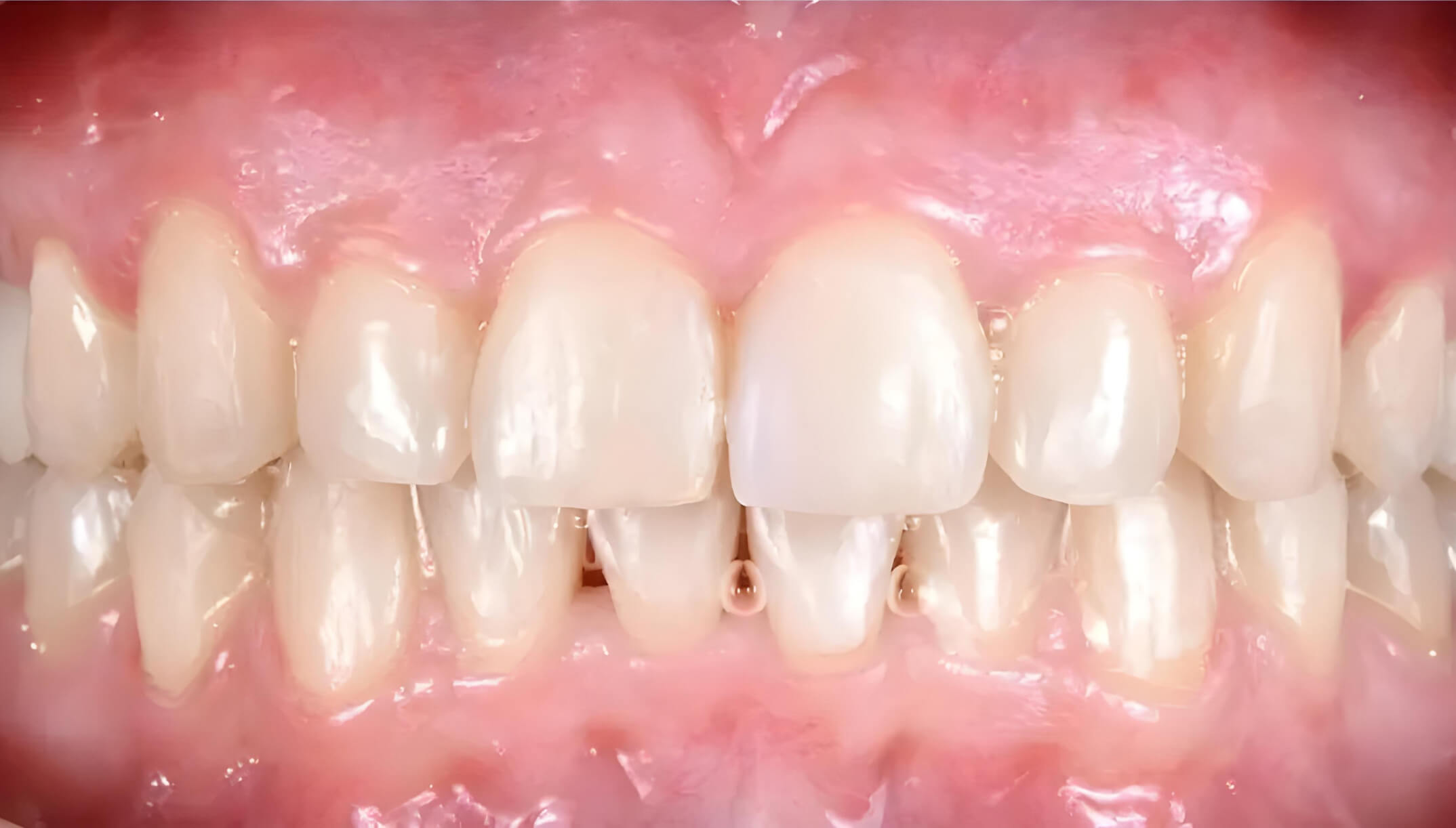
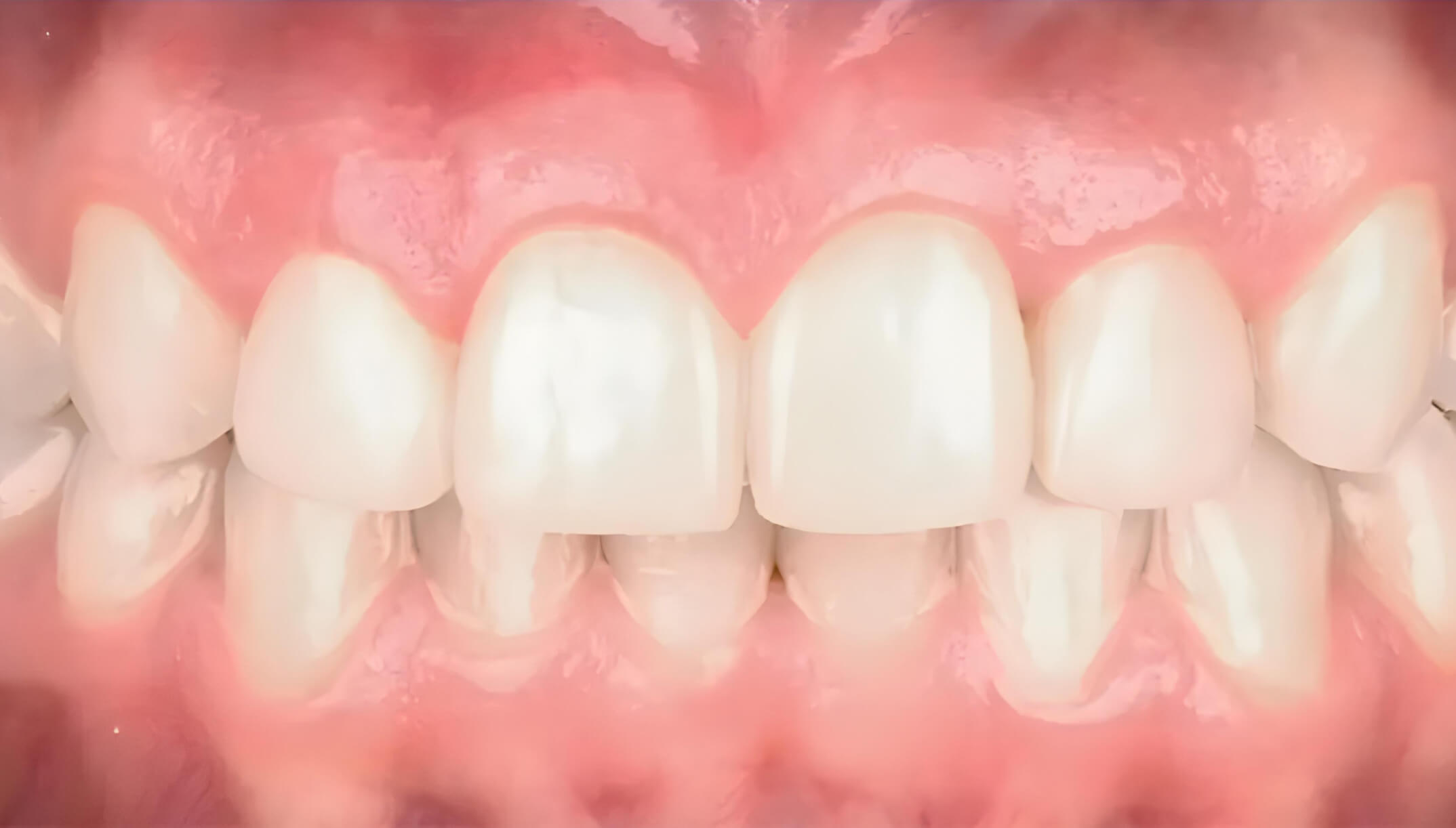
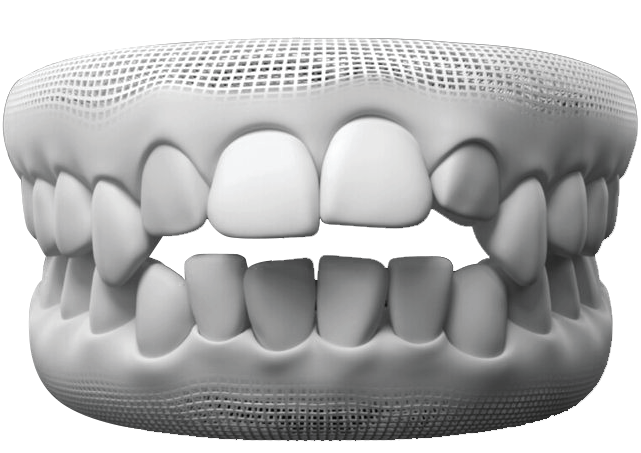
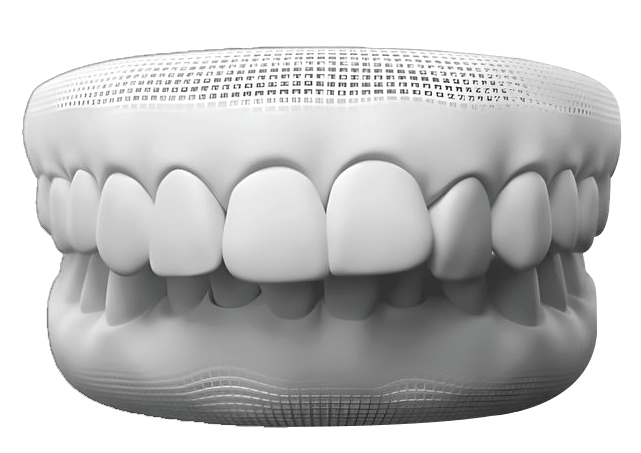
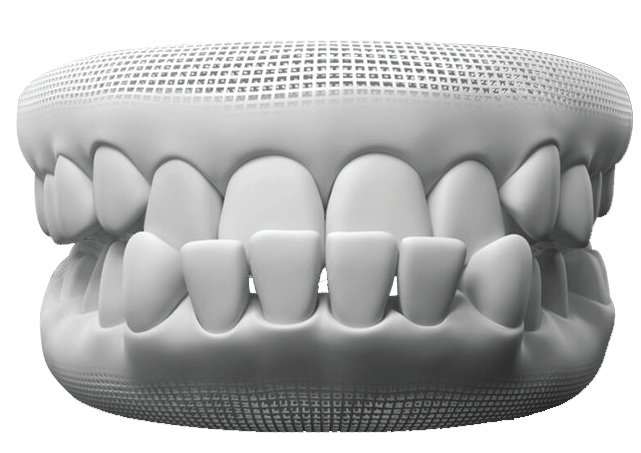
OPEN BITE

where the upper and lower teeth don't touch when the mouth is closed, leaving a gap. It can affect speech, chewing, & facial appearance.

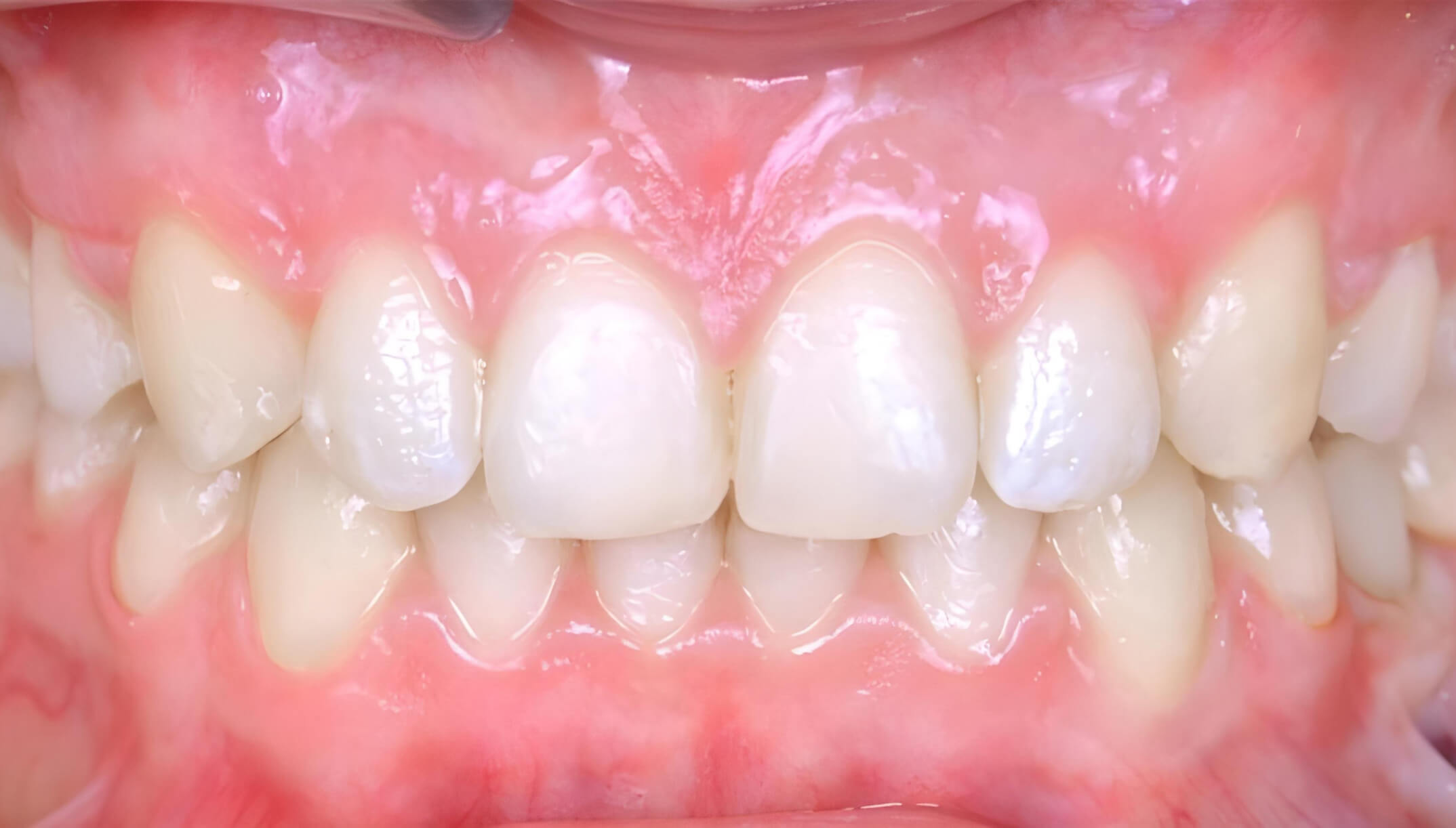
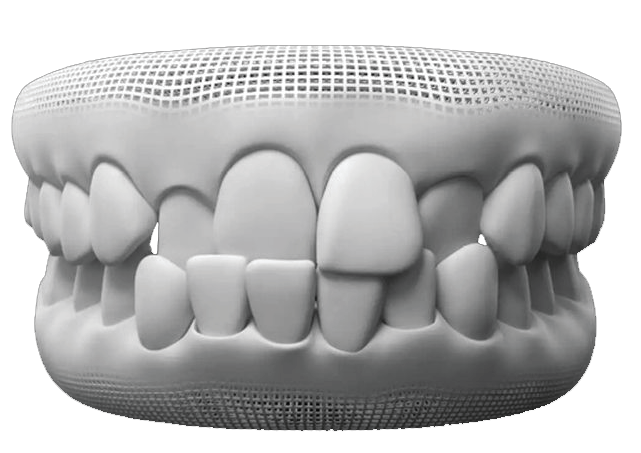
CROWDING

when there isn't enough space in the jaw for teeth to align properly, causing them to overlap or twist. It can affect your bite, oral hygiene, and overall smile aesthetics.

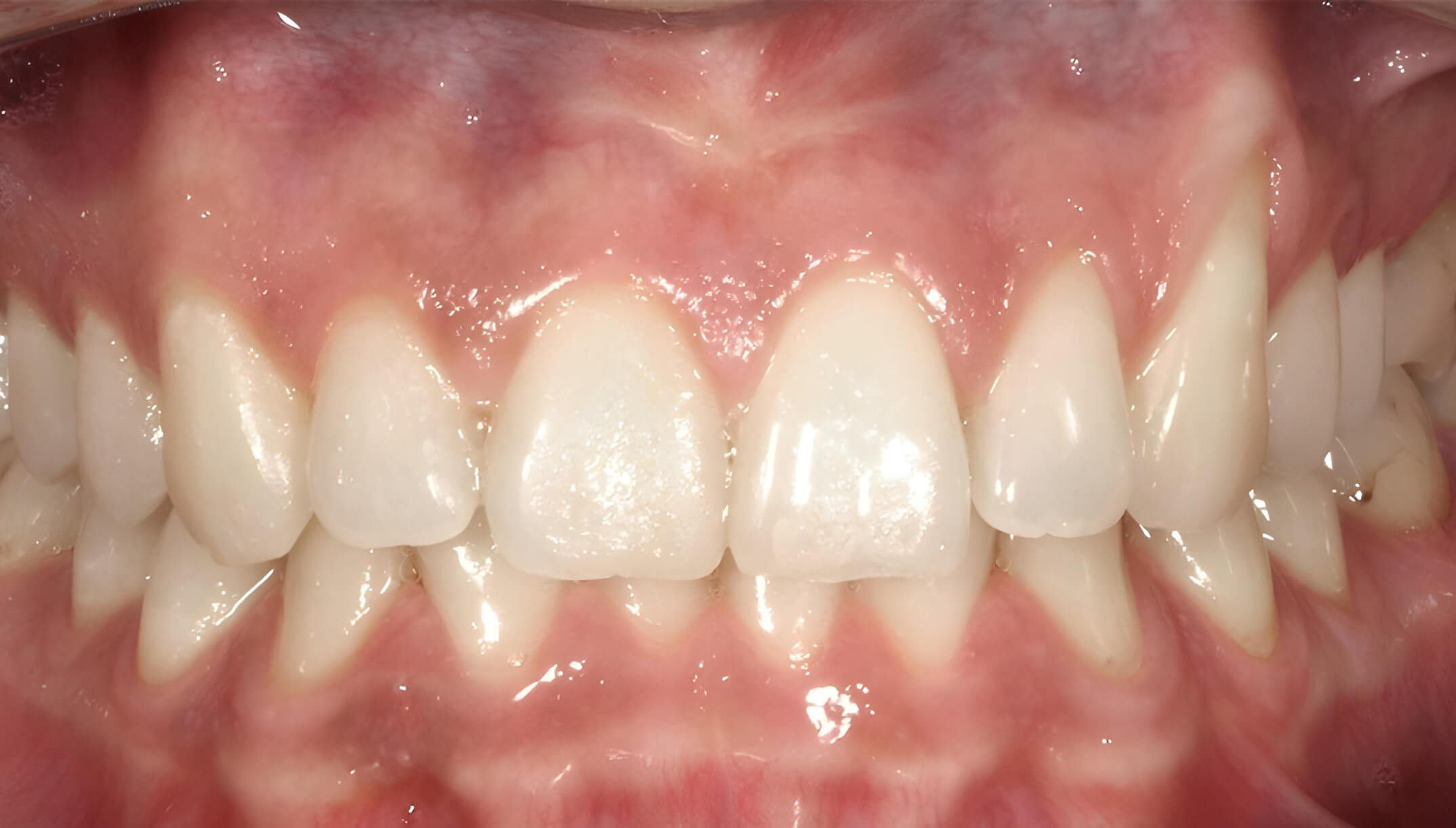
OVERJET

the upper front teeth protrude significantly beyond the lower front teeth. It can impact bite function, speech, and increase the risk of dental injury

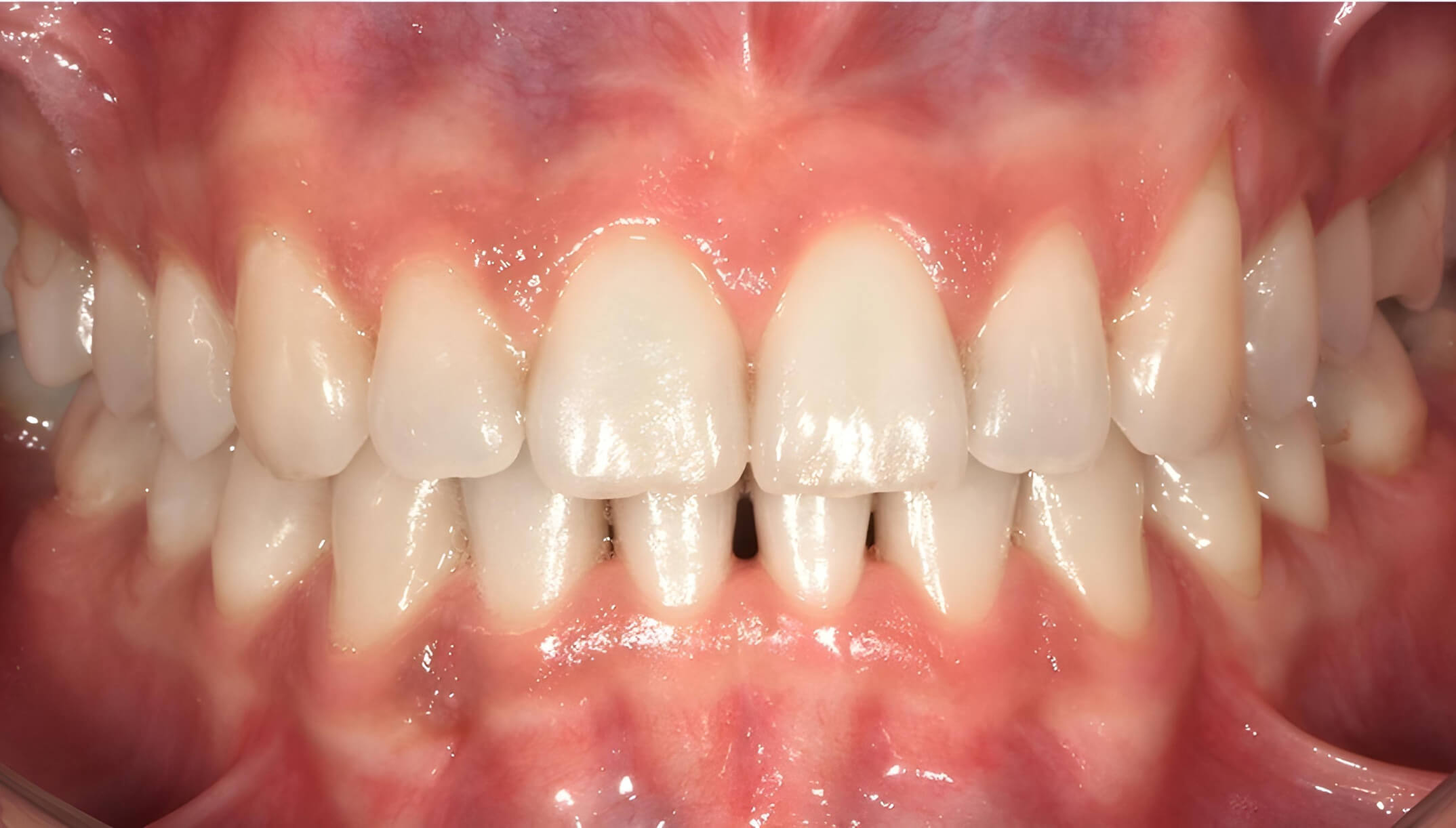
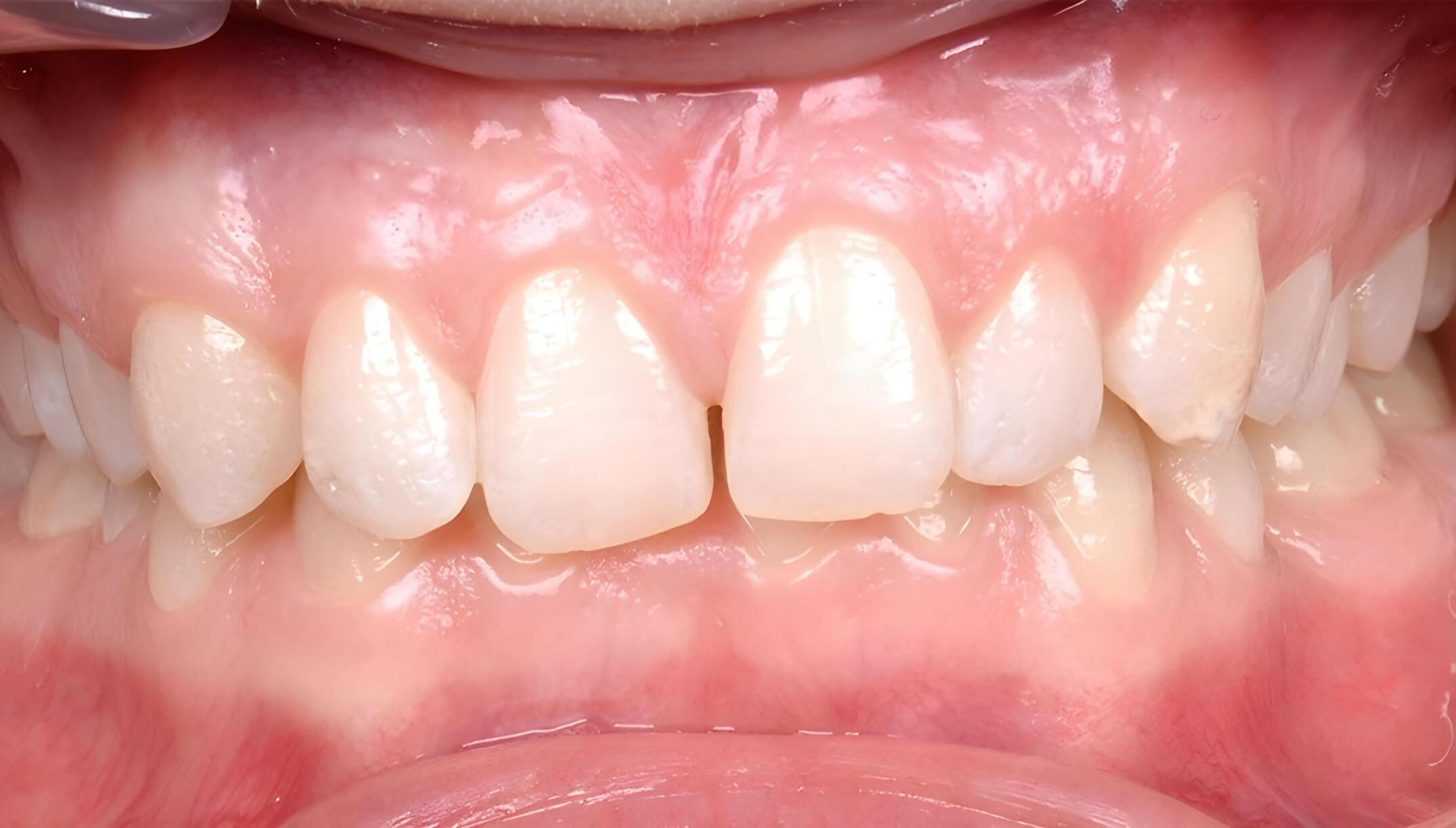
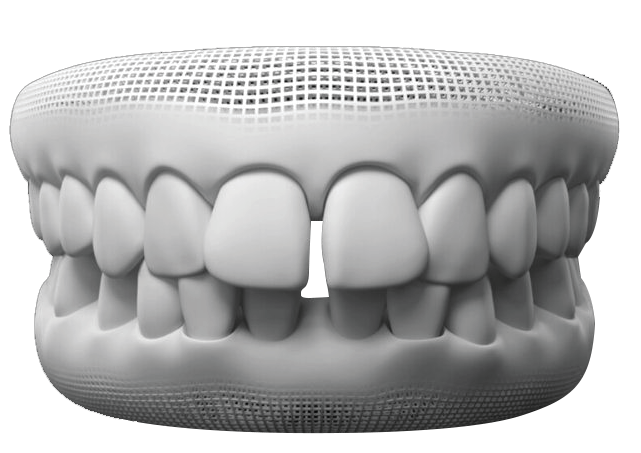
SPACING

gaps or spaces between teeth, often caused by missing teeth,small teeth, or jaw size discrepancies. It can affect the appearance of your smile and lead to food trapping or gum issues.

UNDERBITE

condition where the lower teeth extend beyond the upper front teeth when the mouth is closed. It can cause difficulties with chewing, speaking, and may lead to jaw pain or uneven tooth wear.

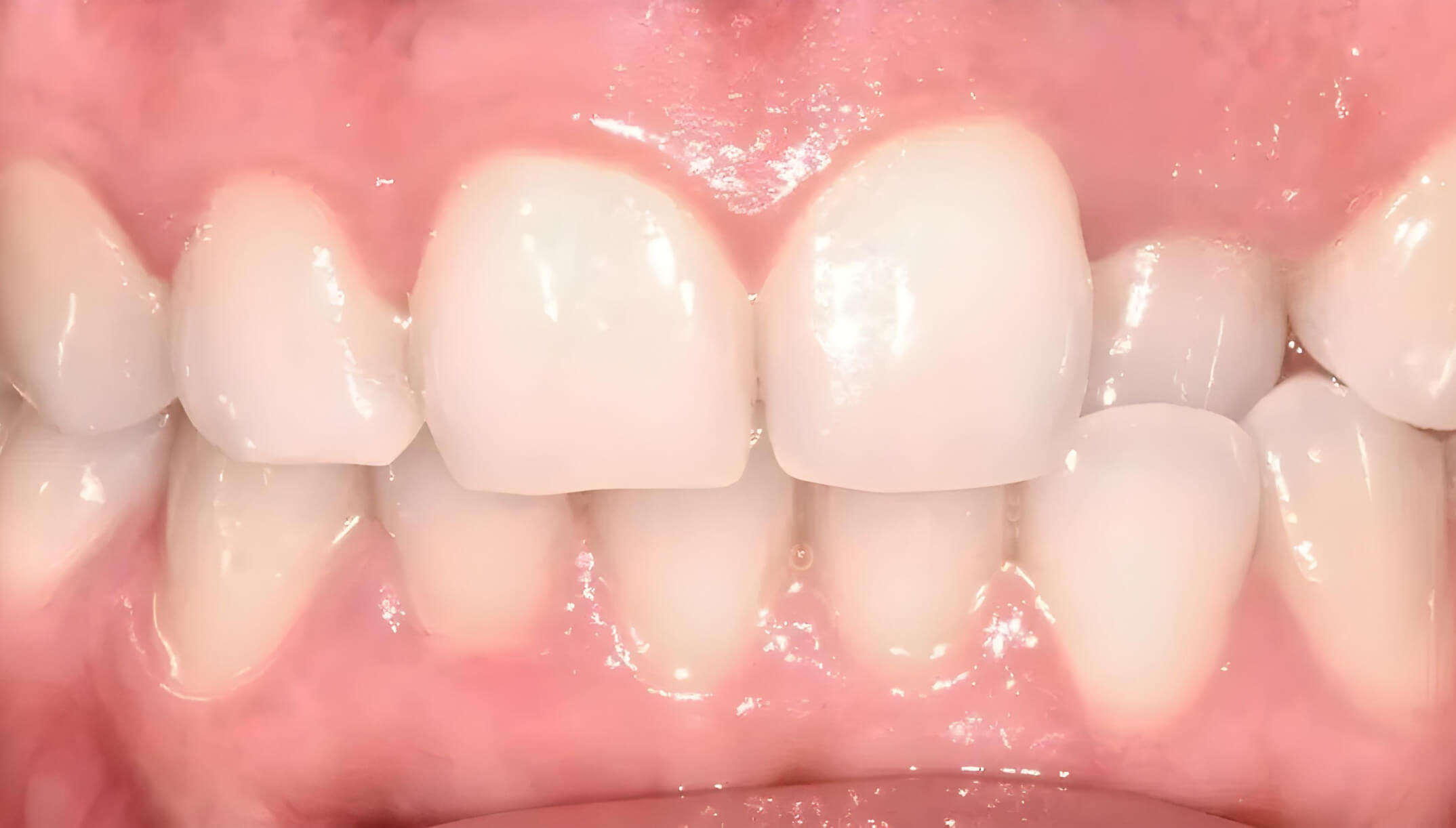
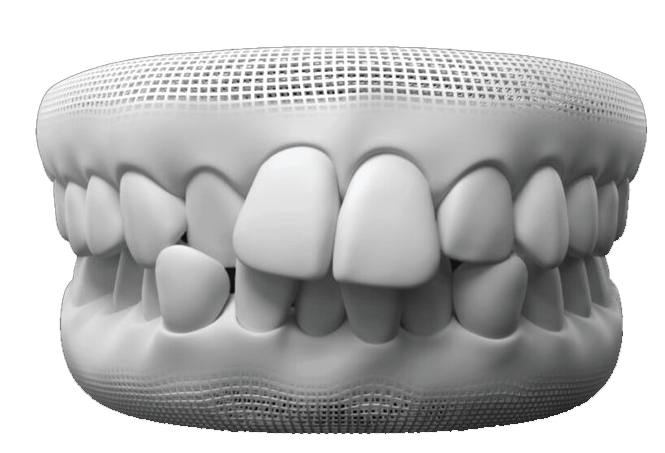
CROSSBITE

when some upper teeth sit inside the lower teeth instead of outside when biting down. It can lead to tooth wear, gum recession, and jaw misalignment over time.

Every Smile Tells a Patient's Story

Behind every case file is a patient who trusted their treatment plan. Browse a sample of completed cases below, each one shaped by careful planning and consistent aligner wear.

Before Before
After After
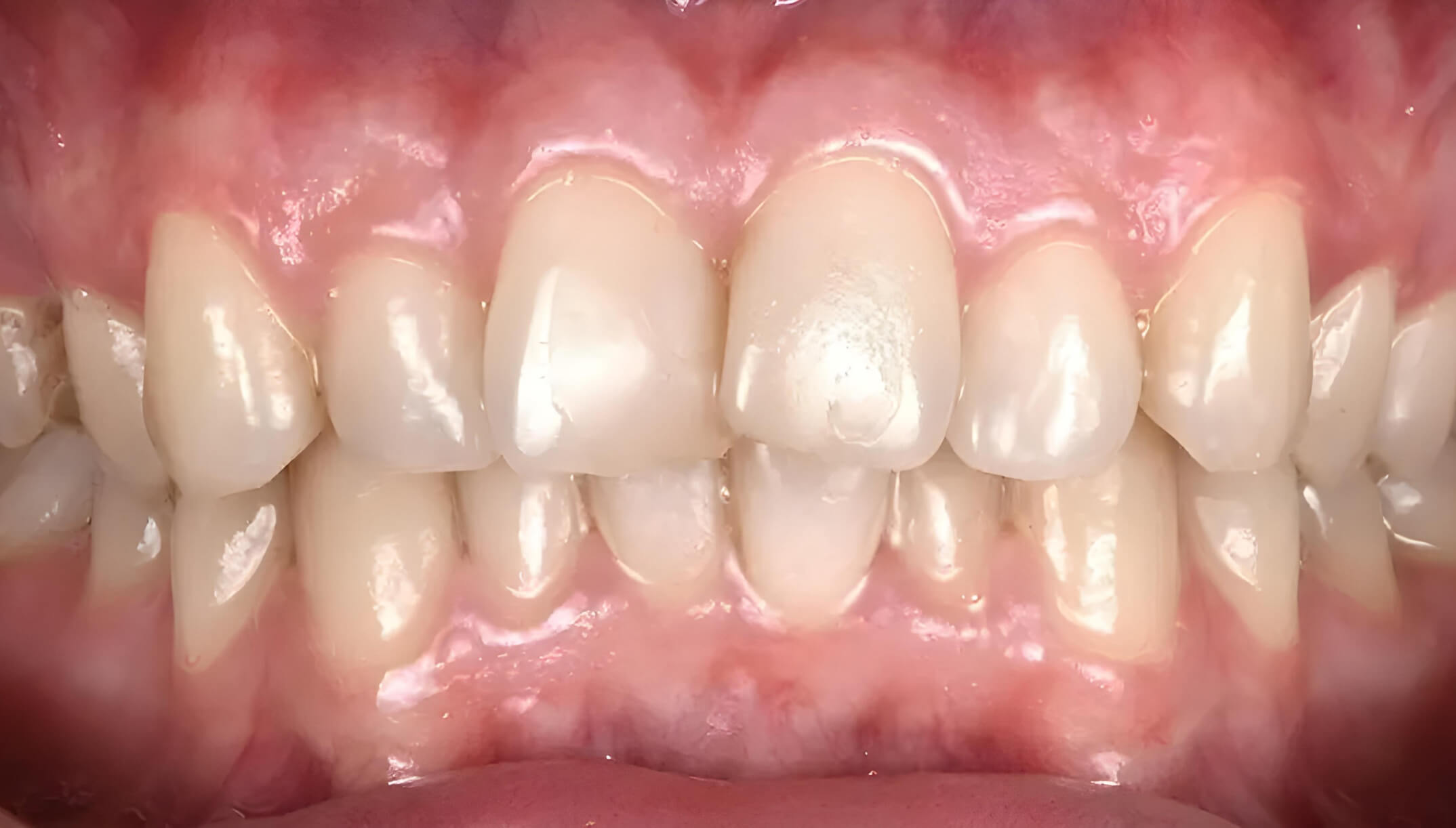
Crossbite #14

This is a type of occlusion disorder (teeth occlusion) in which individual teeth of the upper jaw are located inside the lower row of teeth or vice versa, the lower row overlaps the upper one.

Before Before
After After

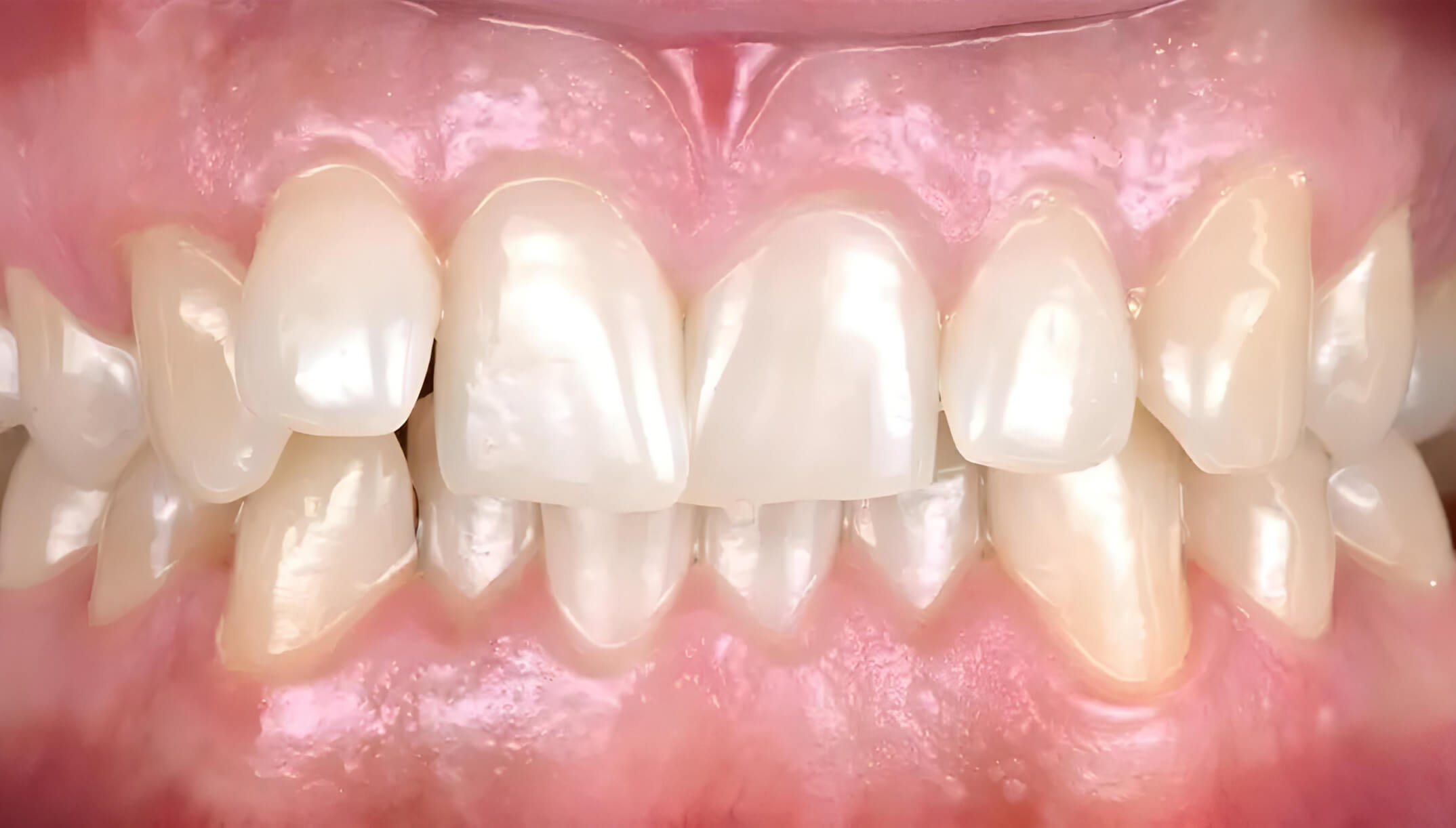
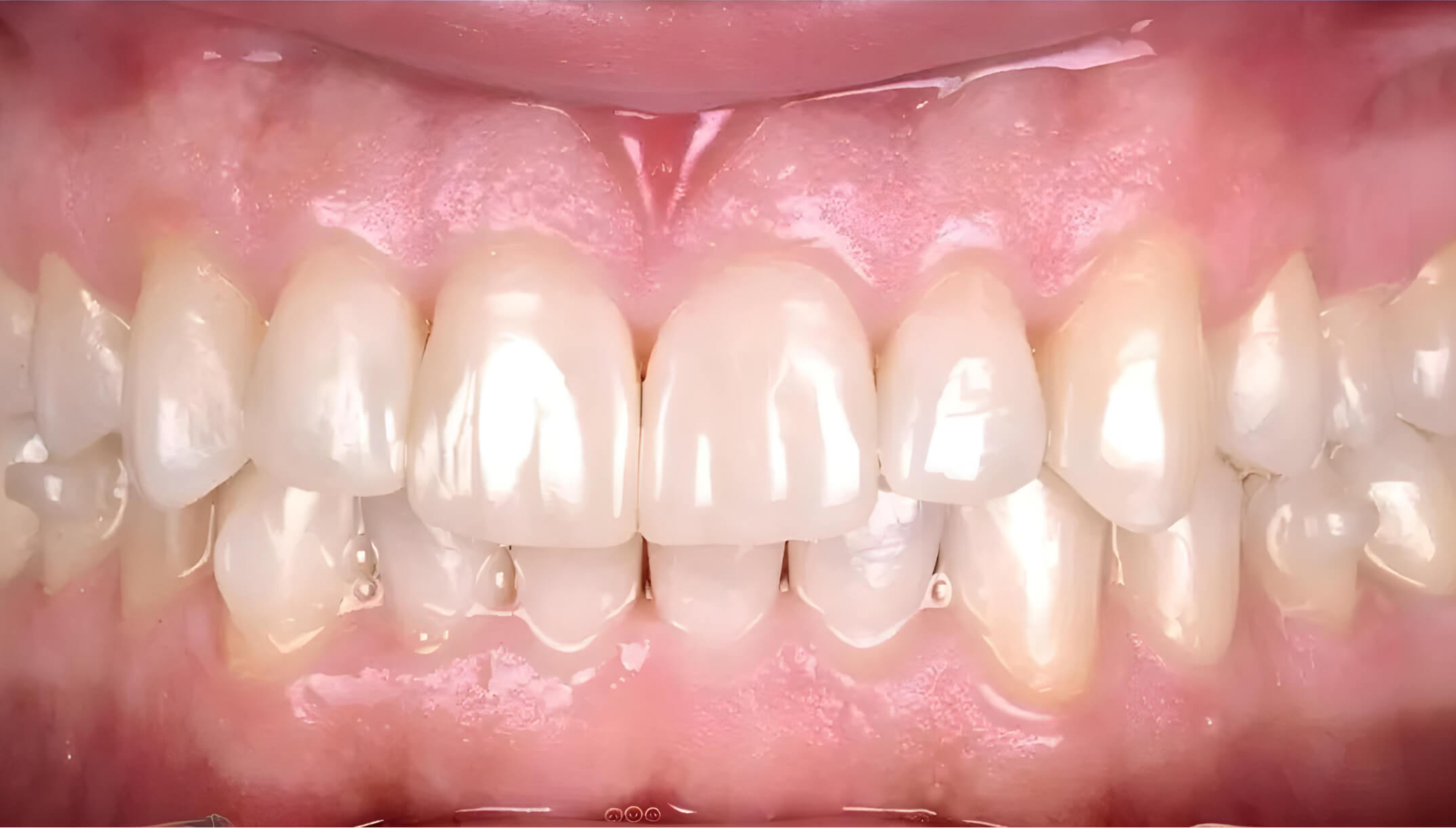
Crowding #26

The teeth are located too close to each other, causing a disruption in the correct position of the dental arch.


Before Before
After After

Deep Bite #5

The upper front teeth significantly overlap the lower teeth. This condition is considered an occlusion (or malocclusion) anomaly.

Before Before
After After

Crossbite #13

This is a type of occlusion disorder (teeth occlusion) in which individual teeth of the upper jaw are located inside the lower row of teeth or vice versa, the lower row overlaps the upper one.

Before Before
After After

Crowding #25

The teeth are located too close to each other, causing a disruption in the correct position of the dental arch.


Before Before
After After

Deep Bite #4

The upper front teeth significantly overlap the lower teeth. This condition is considered an occlusion (or malocclusion) anomaly.


Got Questions? We Have Answers

Here’s what patients most often ask about Flex Align treatment, timelines, eligibility, and getting started.

1. What does Flex Align clear aligner treatment involve?

Flex Align treatment uses a custom sequence of clear aligners, each designed to gradually reposition your teeth. Every plan is mapped out and monitored by a licensed dental professional from start to finish.

Most cases are completed within 6 to 12 months, depending on the extent of movement required. Your dentist will confirm an exact timeline once your treatment plan has been finalized.

Most teens and adults dealing with spacing, mild to moderate crowding, or bite concerns are good candidates. A quick clinical assessment with your dentist will confirm whether aligners suit your specific case.

Aligners are virtually clear, fully removable, and require no metal brackets or wires. This allows for a more comfortable, discreet treatment experience without disrupting your daily routine.

Treatment begins with a digital scan at a partner clinic, capturing an accurate model of your teeth. From there, our team builds a personalized aligner sequence tailored to your case.

Since aligners are removable, you can take them out to eat, brush, and floss as usual. Most patients adjust to wearing them comfortably within just a few days.

Once your active treatment ends, your dentist will typically recommend a retainer to preserve results. This helps maintain your new smile and prevents teeth from shifting back over time.

Connect With a Flex Align Provider

Ready to move forward? Find a Flex Align partner clinic near you and get a treatment plan built specifically for your smile.