
A woman in her thirties walked into a dental office last year holding a photo from her cousin’s wedding, pointing at her own smile in the picture and saying she just could not do it anymore. Metal brackets at 32 felt like a step backward. That’s the moment more people are hitting these days, wanting a straighter smile without announcing it to every room they walk into. This blog breaks down why clear aligners have become the go-to answer for that exact problem, and what actually makes them worth considering.
Why People Are Switching Now
Orthodontic treatment used to mean one thing: brackets, wires, and a mouth full of metal for two years. That’s changed a lot. Clear aligner technology has matured to the point where it handles cases that used to require traditional braces, and adults especially have caught on. Dental industry reports have shown aligner usage climbing steadily year over year, driven mostly by working professionals who don’t want visible hardware during meetings or on camera.
They’re Nearly Invisible
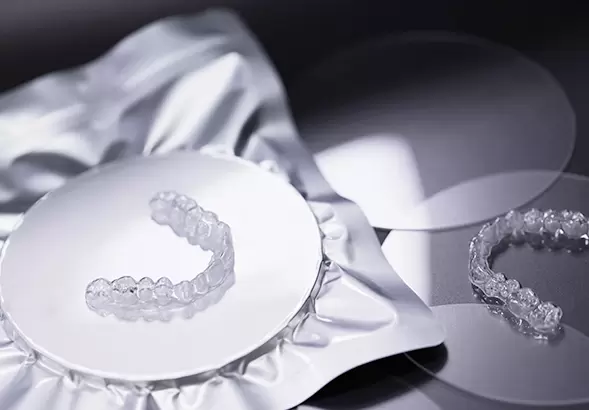
This is the one everyone mentions first, and for good reason. The trays are clear plastic, moulded closely to your teeth. Most people won’t notice unless they’re staring directly at your mouth from a foot away. For anyone in client-facing jobs, teaching, or just camera-heavy Zoom life, this matters more than people expect going in.
Comfort Beats Metal Brackets
Traditional braces come with sharp edges, wire pokes, and that broken-in period every few weeks after adjustments. Aligners are smooth plastic. There’s some pressure when you switch to a new tray, sure, but it’s nothing like the cut-your-cheek moments braces are known for.
You Can Actually Eat Normally
No food restrictions. No popcorn bans, no giving up apples or corn on the cob for two years. Aligners come out for meals, so you eat whatever you want and just pop them back in afterwards. Small thing, but it adds up over the course of treatment.
Cleaning Your Teeth Stays Simple
Brushing and flossing around brackets is a genuine hassle, and plenty of people end up with white spot stains from missed spots. With aligners, you remove the tray, brush and floss like normal, and put it back. Oral hygiene barely changes from your routine.
Fewer Office Visits
Traditional braces often mean monthly adjustment appointments. Aligner treatment usually spaces things out more, sometimes six to eight weeks between check-ins, since a lot of providers now use remote monitoring through an app to track progress between visits.
Treatment Time Can Be Shorter
Not always, and it depends heavily on the case, but mild to moderate misalignment often finishes faster with aligners than with brackets. Some providers report average treatment windows of twelve to eighteen months for cases that would’ve taken two years or more with metal.
Predictable Results From Day One
Here’s something people do not talk about enough. Aligner treatment starts with a full digital scan and a 3D treatment plan, so you see a simulation of your Straighter smile progression before you even get your first tray. There’s no guessing. You know roughly what month six or month twelve is supposed to look like.
Better for Gum Health Long Term
Crooked teeth trap plaque in ways straight teeth don’t. A study published in the Journal of Clinical Periodontology found that patients who completed orthodontic correction, aligner- or bracket-based, showed measurably better periodontal health markers a year later compared to untreated crowding cases. Straightening isn’t purely cosmetic, it’s a genuine health move too.
Sports and Instruments Aren’t a Problem
Ask anyone who played an instrument or contact sports with braces on how that went. Mouthguards over brackets are uncomfortable, and brass or woodwind players often struggle with lip placement. Aligners come out, so none of that friction exists.
Here’s where a couple of quick comparisons help clarify the choice between clear aligners and traditional braces:
- Visibility: Aligners are close to invisible; braces are immediately noticeable.
- Daily flexibility: Aligners are removable for meals and events; braces are fixed in place for the full treatment period.
Confidence Shows Up Faster Than You’d Think
People underestimate this part. Somewhere around week eight or ten, patients often report smiling more in photos, talking more openly in meetings, that sort of thing, even before the teeth have moved dramatically. Feeling less self-conscious about the process itself seems to matter almost as much as the final result.
What To Expect Before Starting Treatment
A few things tend to trip people up early on, so here’s a quick rundown before you commit to a provider:
- You’ll need a full dental exam first to rule out cavities or gum issues that need addressing before straightening begins.
- Wear time matters. Most treatments require twenty to twenty-two hours a day in the trays, and skipping this regularly does slow things down.
Is Everyone A Candidate
Severe bite issues, certain jaw misalignments, or cases needing significant tooth rotation sometimes still call for traditional orthodontics or a combination approach. A consultation with a licensed provider is the only real way to know which category your case falls into, and honestly, that’s not a step worth skipping regardless of what you’ve read online.
Conclusion
A straighter smile used to mean years of visible metal and a long list of food restrictions. That trade-off has loosened considerably. Clear aligners offer comfort, discretion, easier hygiene, and in a lot of cases, a shorter road to the result people actually want. They are not the right fit for every single case, but for the majority of mild to moderate misalignment, they have become the practical, less disruptive choice. Anyone weighing their options should book a consultation and get a real answer specific to their teeth, not a generic one. If you are exploring where to start that conversation, Flex Align is a solid place to look into next.
FAQs
How long does clear aligner treatment usually take?
Most cases run between twelve and eighteen months, though mild crowding can finish in as little as six months depending on the individual plan.
Do clear aligners hurt more than braces?
Generally no. There’s mild pressure for a day or two after switching trays, but nothing close to the wire and bracket discomfort many people experience with traditional orthodontic treatment.
Can I drink coffee or wine with aligners in?
It’s best to remove them first. Staining liquids can discolor the plastic, and the trays should stay off during anything besides water anyway.
Are clear aligners as effective as traditional braces?
For mild to moderate misalignment, yes, they’re considered equally effective. More complex bite corrections may still require braces or a combined treatment approach.