
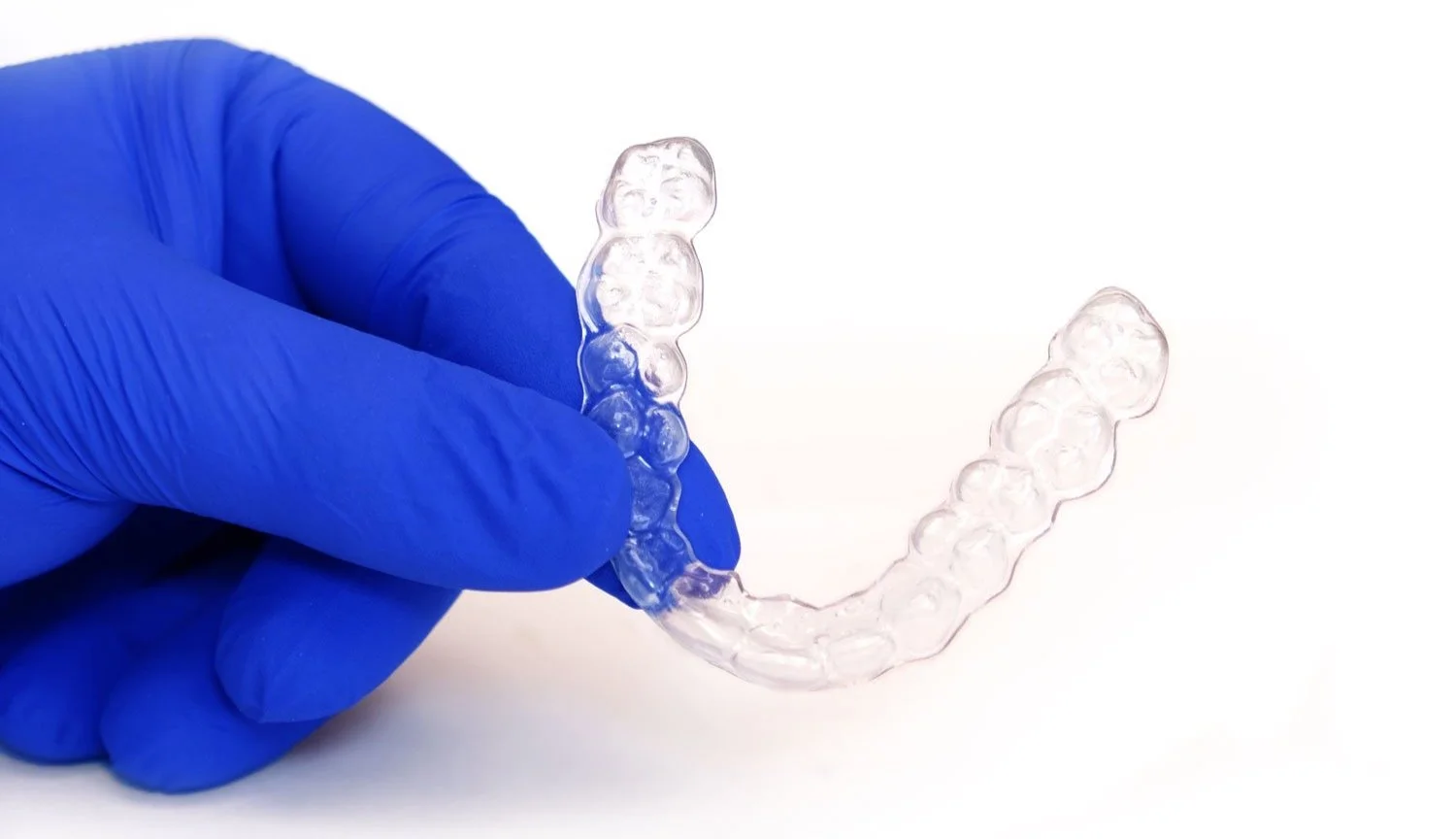
A woman in her thirties walks into a dental office asking for braces, then walks out an hour later with a set of clear aligners instead. That happens more often than people think. Adult orthodontic treatment has quietly become one of the fastest-growing parts of dentistry, and a lot of that growth comes down to one question people keep asking: aligners or braces?
This is not a simple either-or answer, honestly. It depends on your teeth, your lifestyle, your budget, and how much patience you have for tightening wires every few weeks. By the end of this blog you will know exactly what separates the two, what dentists actually recommend for different cases, and how to figure out which one fits your life better.
What Traditional Braces Actually Do
Traditional braces have been around for over a century in some form, and they still work incredibly well for complex bite problems. Metal or ceramic brackets get bonded to each tooth, then a wire threads through them and gets tightened periodically. That constant, controlled pressure moves teeth in a very predictable way.
Orthodontists tend to reach for braces when there’s serious crowding, rotated molars, or major bite misalignment. There’s a reason for that. Braces don’t rely on patient compliance the way aligners do. Once they’re on, they are on, doing their job every single hour of the day whether you like it or not.
The tradeoff is visibility and a bit of discomfort, especially right after adjustments. Kids and teens still make up a huge chunk of brace patients, partly because their treatment plans are usually longer and more involved anyway.
Where Clear Aligners Fit In
Clear aligners took off because they solved the one thing people hated most about braces: looking like you have braces. The trays are custom-made, nearly invisible, and swapped out every one to two weeks as your teeth gradually shift.
A 2022 study published in the American Journal of Orthodontic treatment aligners performed comparably to braces for mild to moderate crowding and spacing issues, though braces still edged ahead for more severe rotations. That gap is closing fast though, as aligner technology keeps improving with better attachments and tracking software.
The catch with aligners is discipline. They need to stay in for 20 to 22 hours a day to work properly. Take them out too often for snacks or coffee, and your treatment timeline stretches out. I’ve heard orthodontists joke that aligners are only as good as the person wearing them, and honestly that’s not far off.
Comparing the Two Where It Actually Matters
Cost, comfort, and daily life impact usually decide the choice, more than the science does.
- Cost: Braces generally run cheaper, often between $3,000 and $7,000 depending on complexity. Aligners tend to sit in a similar range or slightly higher, though pricing varies a lot by provider and case difficulty.
- Daily impact: Braces mean permanent restrictions on sticky or hard foods for the whole treatment. Aligners come out for eating, so no food restrictions at all, but you have to remember to put them back in.
Comfort is subjective too. Some people find the sharp edges of brackets more irritating than the tight squeeze of a new aligner tray. Others say the opposite. There’s no universal winner here.
Treatment Time and Complexity
Average braces treatment runs 18 to 24 months for moderate cases, sometimes longer for complex bites. Aligners often finish faster for milder cases, sometimes in 12 to 18 months, but severe cases can take just as long as braces or longer if the aligners aren’t worn consistently.
Dentists usually recommend a full evaluation, including X-rays and a bite analysis, before committing either way. What looks like a simple crowding issue on the surface can sometimes involve jaw alignment problems that only braces (or braces plus other appliances) can properly fix.
Lifestyle Factors Worth Thinking About
Musicians who play wind instruments, people in client-facing jobs, athletes who wear mouthguards, all of these groups tend to lean one way or another based on real practical concerns rather than preference alone. A trumpet player might struggle with bracket irritation on the inside of their lips. Someone in sales might prioritise the near invisibility of aligners for client meetings.
Travel matters too. Aligner users need to keep up with their tray schedule even while travelling, and losing a tray means calling the provider for a replacement, which can be a hassle mid-trip. Braces don’t have that particular problem, though they do need periodic in-office adjustments that are harder to reschedule around travel.
Making the Actual Decision
Neither option is universally better. Severe cases usually point toward braces. Mild to moderate cases with a patient who can stick to wearing schedules often do well with aligners. Budget, appearance concerns, and daily habits round out the rest of the decision.
A good consultation should walk through all of this honestly, not just push whichever option is more profitable for the practice. Ask about expected timeline, retention plans after treatment, and what happens if your case turns out more complex than expected once treatment starts.
Conclusion
Choosing between clear aligners and traditional braces really comes down to your specific bite, your budget, and how consistent you can be with wearing removable trays. Braces still win for complex cases. Aligners win for convenience and appearance in milder ones. Either way, a proper evaluation beats guessing every time.
If you are weighing your options and want a straightforward, judgment-free consultation, Flex Align is a good place to start that conversation.
FAQs
Are clear aligners as effective as traditional braces?
For mild to moderate misalignment, yes, they perform comparably. For severe crowding or complex bite issues, braces still tend to produce more predictable results.
How much does orthodontic treatment typically cost?
Both options generally range from around $3,000 to $8,000, depending on case complexity, treatment length, and provider location.
Can adults get clear aligners at any age?
Yes. There’s no upper age limit for aligners as long as gums and bone structure are healthy enough to support tooth movement, which a dentist can confirm during an evaluation.
Do clear aligners hurt less than braces?
Both cause some pressure discomfort, especially early on or after switching to a new tray or tightening. Neither is pain free, but many patients report aligners feel less irritating day to day since there’s no metal against the cheeks.